Nothing beats the feeling of walking into your garden in mid-July and finding a vibrant display that required almost none of your time this spring. While some plants demand constant deadheading and daily watering, the right perennials essentially take care of themselves once established. Focusing on tough, sun-loving varieties allows you to spend your weekends enjoying the blooms rather than fighting with a trowel.
Low maintenance perennials for full sun are plants that thrive with 6 to 8 hours of direct sunlight and drought-tolerant characteristics once established. These flowers typically grow in USDA Zones 3 to 9 and require low to moderate effort, meaning they need minimal pruning, infrequent watering, and little to no pest intervention.
Low Maintenance Perennial Flowers For Full Sun Overview
Hardy perennials that thrive in full sun require at least 6 to 8 hours of direct sunlight daily to produce consistent blooms. These plants establish deep root systems that allow them to survive with minimal intervention once they settle into the landscape.
Selecting the right varieties reduces the need for constant weeding, heavy fertilization, and supplemental irrigation. Gardeners who prioritize drought-tolerant species often find that these plants actually perform better when they are not pampered with excess water or rich soil amendments.
Top Performers For Sunny Beds
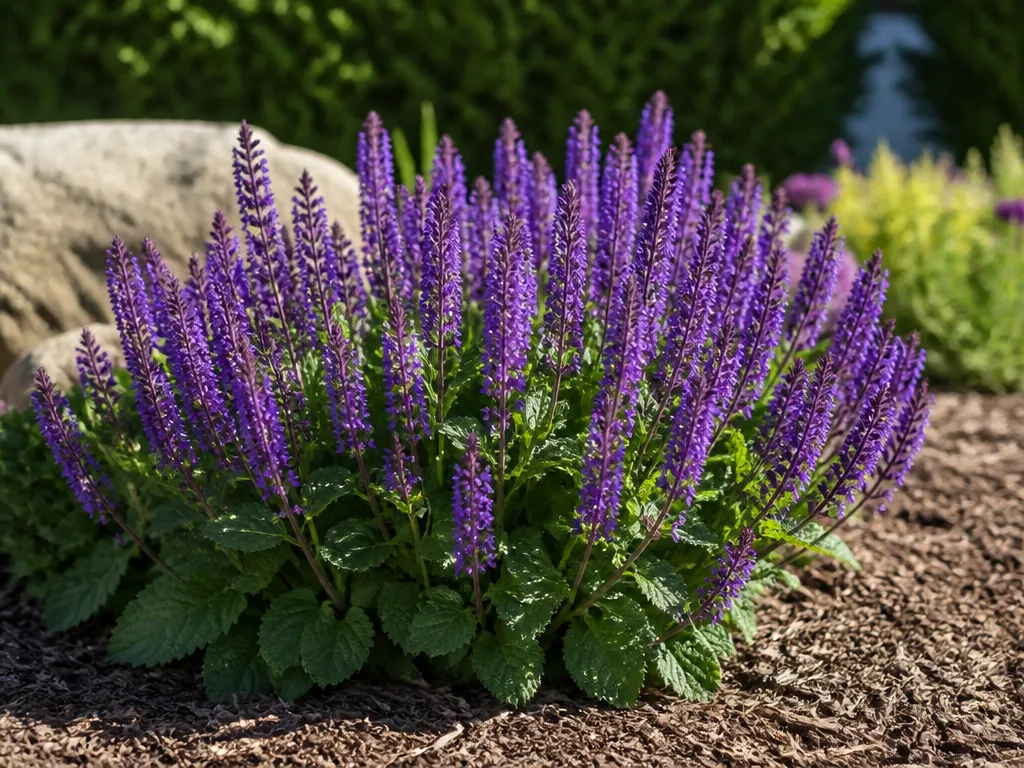
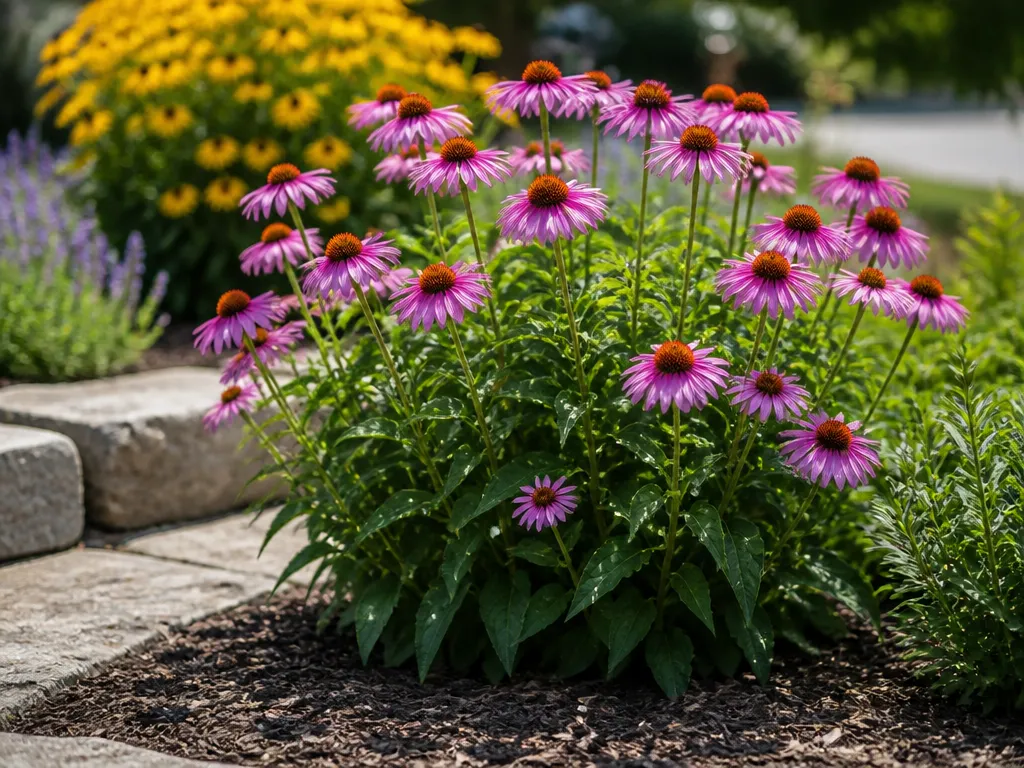
Proven winners in sunny, dry, or average soil conditions include Coneflower (Echinacea), Sedum, and Russian Sage. These plants are hardy in Zones 3 through 9, depending on the specific cultivar, and they provide reliable structure year after year.
| Plant Name | Hardiness Zones | Primary Benefit |
|---|---|---|
| Coneflower | 3-9 | High drought tolerance and pollinator support |
| Sedum | 3-9 | Exceptional heat resistance and winter interest |
| Russian Sage | 5-9 | Deer resistance and long flowering duration |
Success with these perennials begins with proper site preparation. Most sun-loving, low-maintenance varieties prefer soil with a pH between 6.0 and 7.0 and excellent drainage to prevent root rot during wet winters.
What To Expect From Hardy Perennials
Established plants typically need only 1 inch of water per week during the hottest parts of the summer. During the first growing season, provide regular moisture to help them develop the root systems necessary for their future independence.
Pest issues remain minimal if you avoid overhead watering, which can encourage fungal growth on foliage. If aphids or leaf-feeding insects appear, a simple blast of water or an application of insecticidal soap is usually enough to resolve the problem without resorting to harsh chemicals.
Ideal Growing Conditions For Sun Perennials
Full sun perennials thrive when provided with at least 6 to 8 hours of direct, unfiltered sunlight each day. These plants require well-draining soil to prevent root rot, which is the most common cause of failure for sun-loving varieties.
Soil Requirements And Ph Preferences
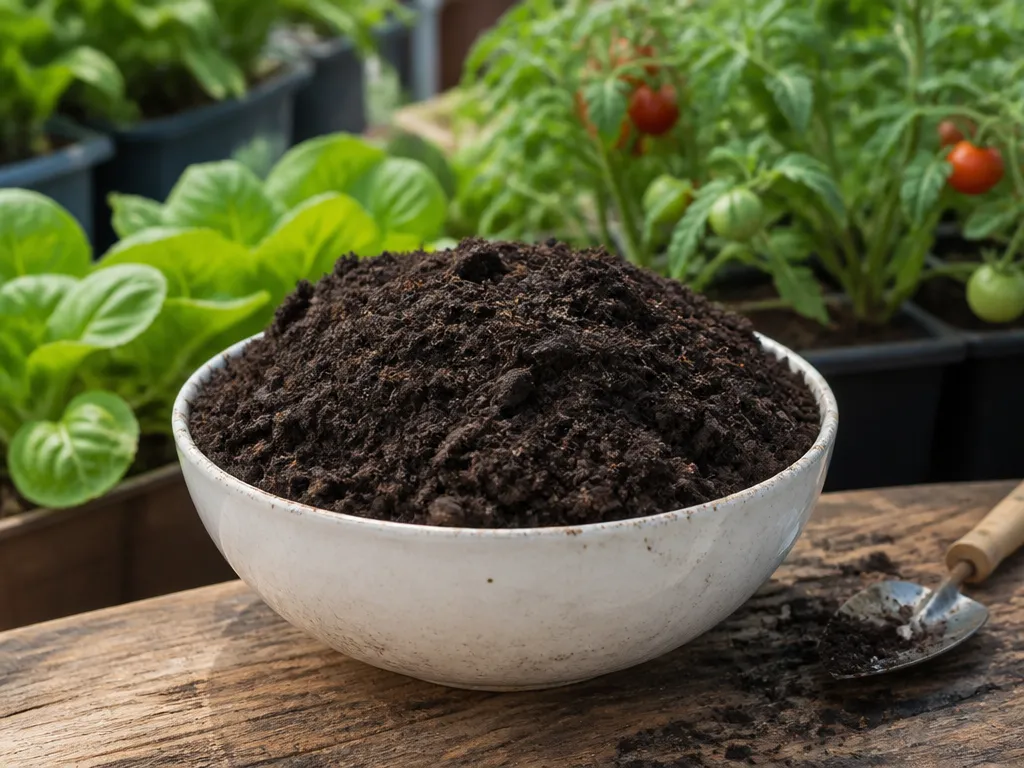
Most sun-loving perennials prefer a neutral soil pH ranging from 6.0 to 7.0. While many varieties tolerate average garden soil, amending heavy clay or sandy earth with organic matter like compost improves drainage and nutrient availability.
| Soil Type | Management Strategy | pH Adjustment |
|---|---|---|
| Clay | Add compost and gypsum | Add lime to raise pH |
| Sandy | Add organic mulch | Add sulfur to lower pH |
| Loam | Maintain with mulch | None usually required |
Sunlight And Temperature Tolerance
Direct exposure to sunlight is non-negotiable for these plants, as shade causes them to become leggy and reduces blooming. While many are hardy in Zones 3-9, extreme heat or cold can impact their vigor depending on the specific species.
Watering consistency remains vital during the first year of growth. Aim to provide 1 inch of water per week, ideally delivered at the base of the plant to keep foliage dry and reduce the risk of fungal diseases.
Planting Guide For Sun-loving Perennials
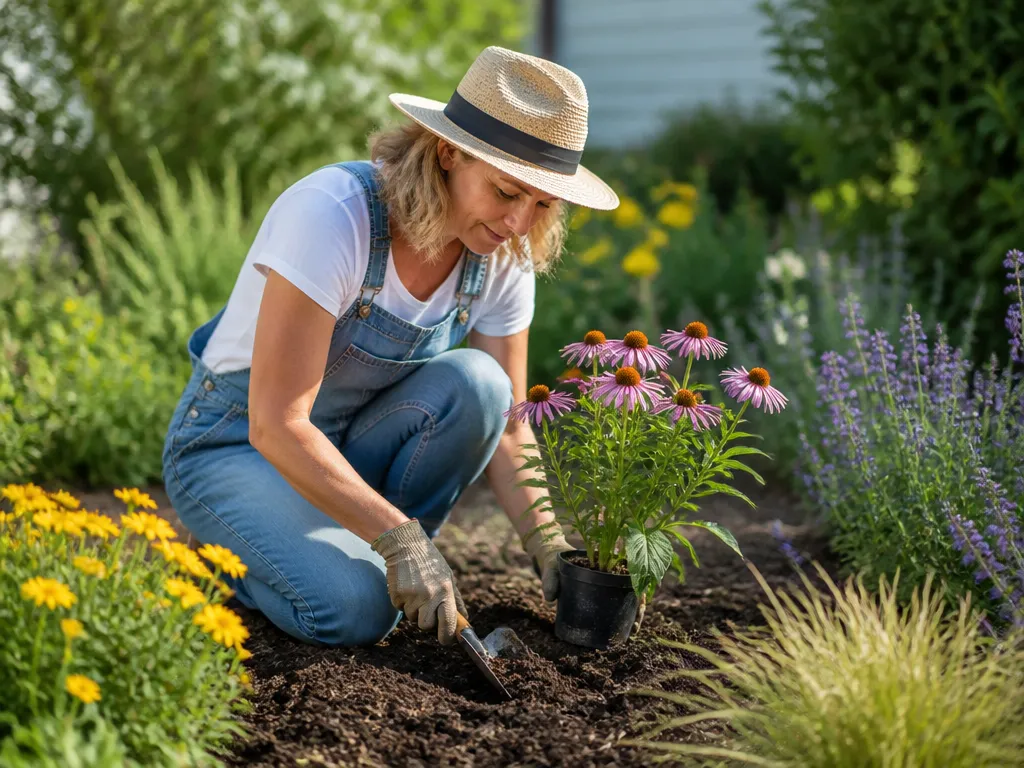
Successful establishment of sun-loving perennials relies on timing your planting to match the local frost cycle and ensuring the crown sits exactly at the soil surface. Most hardy perennials perform best when installed during the cool, moist days of early spring or early autumn, allowing roots to settle before extreme heat or freezing temperatures arrive.
Step-by-step Installation
Nursery Plants Versus Seeds
Nursery-grown starts offer immediate impact and a higher success rate for beginners, as these plants have already developed a functional root system. Seeds provide a cheaper alternative for mass plantings, but they require much more patience and consistent moisture during the germination phase.
| Planting Method | Best For | Maintenance Level |
|---|---|---|
| Nursery Starts | Instant results, filling small gaps | Low |
| Direct Sowing | Large meadows, budget projects | High during germination |
Spacing requirements vary by species, but a good rule of thumb is to allow for the mature width of the plant rather than its current container size. Crowding young plants restricts airflow and invites fungal diseases, which eventually requires more work to manage. Always check the plant tag for specific spacing needs, which usually range from 12 to 24 inches for most common sun-loving varieties.
Regional timing varies significantly, but the goal remains providing the plant with at least six weeks of moderate weather to establish roots. Gardeners in Zones 3-5 should prioritize spring planting after the ground thaws, while those in Zones 6-9 often find fall planting offers a massive advantage for root development before the summer heat returns.
Watering And Feeding Requirements
Established sun-loving perennials generally require 1 inch of water per week during the active growing season. New plantings need consistent moisture for the first 4 to 6 weeks to establish roots, but mature plants often thrive on less once their root systems reach deep into the soil profile.
Drought-tolerant varieties such as Sedum, Lavender, and Purple Coneflower (Echinacea) become highly resilient once established. These plants prefer soil that dries out between waterings to prevent root rot.
Recommended Watering And Feeding Schedule
| Season | Task | Notes |
|---|---|---|
| Spring | Monitor rainfall | Provide 1 inch of water only if spring rains are absent. |
| Early Summer | Apply compost | Top-dress with 1 inch of organic compost instead of synthetic fertilizer. |
| Late Summer | Deep soak | Increase water if temperatures exceed 90 degrees Fahrenheit. |
| Autumn | Taper off | Reduce watering to harden off plants before the first frost. |
Fertilizing requirements for these perennials are minimal. Most sun-loving species prefer lean soil and actually produce weak, floppy stems if given too much nitrogen. Apply a single layer of well-rotted compost around the base of each plant in early spring. This provides a slow release of nutrients that lasts the entire season without forcing unnatural, rapid growth.
Mulching techniques play a critical role in reducing maintenance needs. Applying a 2 to 3 inch layer of organic mulch, such as shredded bark or straw, suppresses weeds and retains soil moisture. Ensure the mulch does not touch the crown of the plant, as this creates a moist environment that encourages fungal issues and crown rot. Keeping the area around the stems clear allows for necessary airflow.
Pest And Disease Management
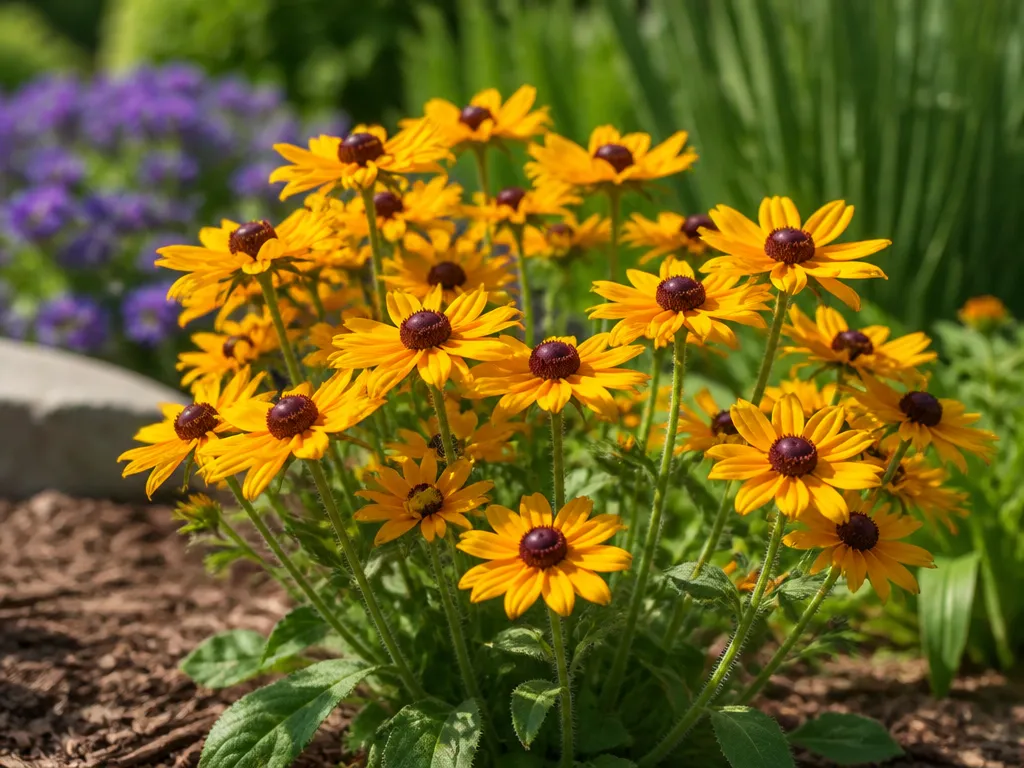
Healthy perennial beds rely on cultural practices that prioritize airflow and soil drainage to prevent common issues like powdery mildew and root rot. Most full-sun perennials, such as coneflowers or sedum, possess natural resilience when planted in their ideal hardiness zones.
Common Garden Threats
Aphids and spider mites frequently target soft new growth during hot, dry spells. Manage these small pests by checking the undersides of leaves weekly and using a strong blast of water from a garden hose to dislodge them before an infestation takes hold.
| Pest or Condition | Common Symptoms | Organic Solution |
|---|---|---|
| Aphids | Curled, yellowing leaves | Insecticidal soap or neem oil |
| Powdery Mildew | White, dusty coating on leaves | Improve spacing for airflow |
| Root Rot | Wilting despite moist soil | Amend soil with organic compost |
Disease Prevention Strategies
Fungal issues often arise from overhead watering, which keeps foliage wet for too long in humid climates. Always direct your hose or drip irrigation at the base of the plant to keep leaves dry.
Integrated pest management focuses on encouraging beneficial insects, such as ladybugs and lacewings, which act as your garden’s primary defense force. Avoid using broad-spectrum pesticides, as these chemicals kill the predators that keep pest populations in check naturally.
Seasonal Care Calendar
Sun-loving perennials thrive with minimal intervention once they establish roots in well-draining soil. Most drought-tolerant varieties require approximately 1 inch of water per week during peak summer heat to stay healthy.
Spring Maintenance
Spring maintenance involves cleaning up garden beds after the last frost. Remove dead foliage and old stems from the previous year to reduce disease risks and clear space for new growth.
Mulching is essential for moisture retention and weed suppression. Spread a 2-inch layer of organic wood chips or compost around the base of your plants to regulate soil temperature.
Summer And Fall Care
Summer care focuses on hydration and pest checks. Check the soil moisture by inserting a finger 2 inches deep; if the soil feels dry, provide a deep soak.
Companion Planting And Garden Design
Strategic companion planting creates resilient ecosystems where plants support each other naturally, reducing maintenance needs while enhancing beauty. For sunny perennial beds, combining plants with complementary root depths and growth habits minimizes competition and maximizes water efficiency.
| Main Plant | Good Companions | Plants to Avoid |
|---|---|---|
| Echinacea (Coneflower) | Lavender, Sedum, Russian Sage | Mint, annuals requiring frequent watering |
| Daylilies | Salvia, Coreopsis, Catmint | Aggressive spreaders like bamboo |
| Black-eyed Susan | Coneflower, Ornamental Grasses | Plants needing acidic soil |
Designing with low maintenance perennials requires understanding mature plant sizes and growth patterns. Group plants with similar water needs together and leave adequate space for mature growth to prevent overcrowding and reduce future division needs.
For instance, placing drought-tolerant sedums and lavender together creates a natural water-wise zone, while grouping taller plants like Russian sage and echinacea at the back of beds provides structure without staking.
Succession Planting For Continuous Bloom
Plan for blooms throughout the growing season by combining plants with different flowering times. Early spring bloomers like iris can transition to mid-season coneflowers and late-season asters, creating visual interest without constant replanting.
Wildlife-friendly gardens support pollinators and beneficial insects while reducing pest problems. Native perennials like coneflowers and black-eyed susans attract butterflies and bees, providing food sources throughout the growing season.
” The natural ecosystem balance keeps pest populations in check without chemical applications.”
Quick Summary
Successful gardening relies on choosing resilient perennials that thrive in full sun, specifically defined as at least six to eight hours of direct, unfiltered light daily. These plants are ideal for USDA Zones 3 through 9 and require minimal intervention once their root systems are established. Gardeners should prioritize native cultivars to naturally avoid pest issues and chemical use. Proper site preparation is essential, including mixing two inches of organic compost into the native soil to improve drainage and nutrient availability, which helps prevent common problems like root rot during wetter seasons.
Maintenance for these hardy flowers is straightforward and centers on deep, infrequent watering during the first growing season to encourage root growth. After establishment, plants generally need only one inch of water per week during peak summer. Essential care tasks include applying two inches of organic mulch to retain soil moisture and cutting back dead foliage in late winter or early spring. While some pests like aphids may appear, a simple blast of water or insecticidal soap is usually effective. The most important takeaway is that these perennials perform best when they are not over-pampered.
| Factor | Requirement |
|---|---|
| Sun Exposure | 6 to 8 hours daily |
| Soil pH | 6.0 to 7.0 |
| Watering | 1 inch per week after establishment |
| Hardiness Zones | USDA 3 to 9 |
| Planting Time | Spring or early fall |
Frequently Asked Questions
When Is The Best Time To Plant Perennial Flowers In My Garden?
The ideal time to plant perennials is during the spring or early fall when temperatures are mild. This allows roots to establish in the soil before the extreme heat of summer or the deep freeze of winter sets in.
How Often Should I Water My Full Sun Perennials?
Most established perennials need about one inch of water per week, including rainfall. Check the top two inches of soil with your finger, and if it feels dry, provide a deep soak at the base of the plant rather than sprinkling the leaves.
Why Are The Leaves On My Flowers Turning Yellow Or Spotted?
Leaf discoloration is often a sign of overwatering or poor drainage, which leads to root stress. Check your soil moisture levels and ensure you are not watering too frequently, as consistently soggy soil is a common cause of fungal spots and yellowing foliage.
What Is Eating My Plants And How Do I Stop It Organically?
If you see holes in your leaves, check the undersides of the foliage for pests like aphids or beetles in the early morning or evening. Manage these populations by handpicking them off the plant or applying an organic insecticidal soap directly to the affected areas.
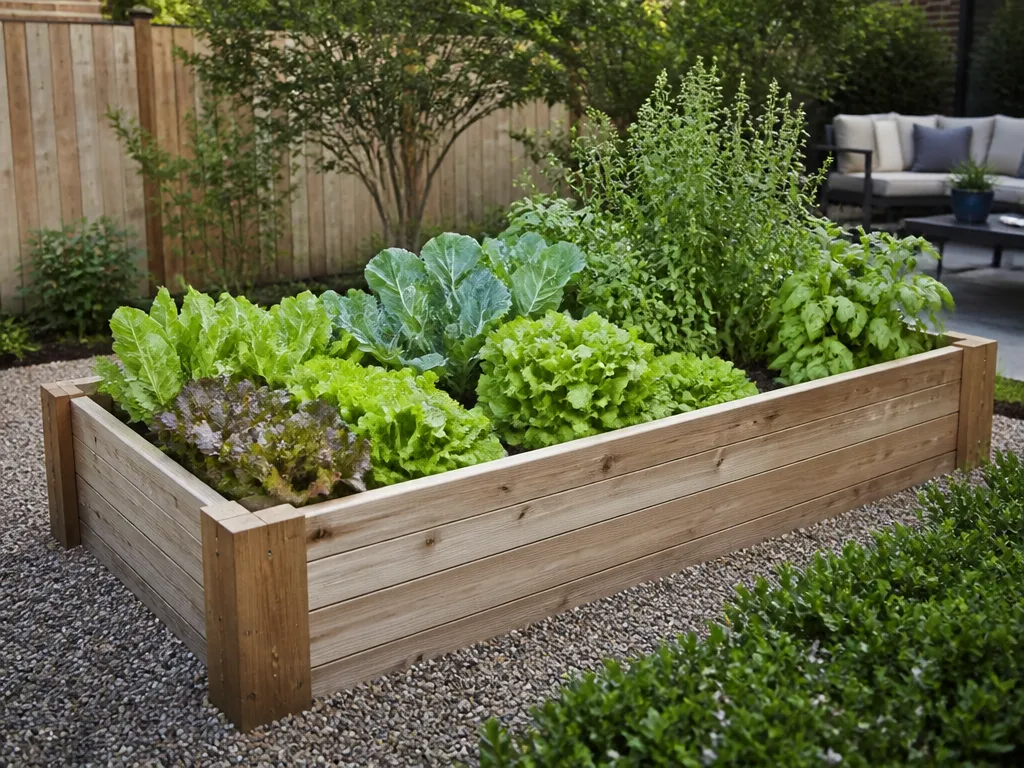
Can I Grow These Sun Loving Perennials In A Container Or Raised Bed?
Yes, you can successfully grow most perennials in containers as long as you choose a pot with adequate drainage holes and use a high quality potting mix. Keep in mind that container plants dry out faster than those in the ground, so you may need to water them more frequently during hot spells.