Waking up with an oily complexion often feels like a losing battle against your own pores. You might assume that harsh soaps or skipping moisturizer will stop the shine, but these habits usually trigger your skin to produce even more oil. Building a routine is about balancing your barrier rather than stripping it clean, and the right approach makes a visible difference in just a few weeks.
Oily skin routines require a consistent morning and evening structure focusing on oil-free cleansers, niacinamide for sebum control, and lightweight gel moisturizers. Apply products from thinnest to thickest texture twice daily. Use non-comedogenic formulas to prevent pore blockages while maintaining skin hydration levels throughout your day.
Best for: Oily and combination skin types. Use caution if: You have sensitive skin or a damaged moisture barrier.
How To Build A Skincare Routine For Oily Skin? (Goals And Expectations)
Oily skin stems from an overproduction of sebum by the sebaceous glands, which often leads to a persistent shine and clogged pores. The primary objective is to manage this oil flow through consistent regulation rather than attempting to strip the skin entirely.
Aggressive cleansing or harsh alcohol-based toners trigger a rebound effect where the skin produces even more oil to compensate for the loss of hydration. You need to focus on barrier health, as a compromised skin barrier actually encourages excess sebum production. The goal is a balanced, matte, but hydrated complexion.
Realistic Expectations For Sebum Management
Consistency provides the foundation for results, so do not expect overnight miracles. Most active ingredients require four to six weeks of daily use before you notice a significant reduction in oiliness or pore congestion.
Dermatologist tip: Think of your routine as a long-term management strategy, not a quick fix. Your skin type is genetic, and you are working to optimize its function rather than change your biology.
Understanding the difference between oily and dehydrated skin is vital to your progress. Many people confuse the two, leading them to use products that make their skin feel tight and irritated.
Who This Routine Is For
This approach works best for individuals who experience a shiny T-zone by midday, frequent blackheads, or makeup that slides off within hours of application. If you have oily skin that also feels sensitive or reactive, prioritize calming ingredients like centella asiatica or green tea extract alongside your oil-control actives.
| Expectation | Reality |
|---|---|
| Total oil elimination | Impossible and unhealthy |
| Visible pore reduction | Achievable with consistent exfoliation |
| Matte finish all day | Requires blotting or touch-ups |
| Immediate results | Typically 4-6 weeks |
Is Your Skin Truly Oily?
True oily skin presents as a consistent, all-over sheen that develops shortly after cleansing, often accompanied by visible pores across the entire face. Dehydrated skin, by contrast, feels tight or papery despite an oily surface, as the skin overproduces oil to compensate for a lack of water hydration.
The Wash And Wait Method
Perform this test in the evening to gauge how your skin behaves without the interference of environmental factors or makeup. Start by cleansing your face with a gentle, non-stripping cleanser and pat it completely dry. Avoid applying any serums, moisturizers, or treatments afterward.
If the tissue shows oil residue in all areas, your skin is oily. If the tissue is clean but your skin feels tight or itchy, your skin is likely dehydrated. If you find oil only on the T-zone (forehead, nose, chin) while your cheeks remain dry or normal, your skin pattern is combination.
Dermatologist tip: If your skin feels tight immediately after washing but becomes greasy within an hour, you are likely using a cleanser that is too harsh, which triggers your skin’s defensive oil production.
Oily Vs. Dehydrated: Key Indicators
| Indicator | Oily Skin | Dehydrated Skin |
|---|---|---|
| Texture | Smooth, thick | Rough, fine lines visible |
| Pore Size | Enlarged all over | Normal, but skin looks dull |
| Sensitivity | Low | High, prone to redness |
| Response to Oil | Feels slick | Feels tight underneath |
Treating these two conditions requires different approaches. Oily skin benefits from oil-regulating ingredients like niacinamide, whereas dehydrated skin requires humectants like hyaluronic acid or glycerin to pull water into the deeper layers.
Best Ingredients For Sebum Control
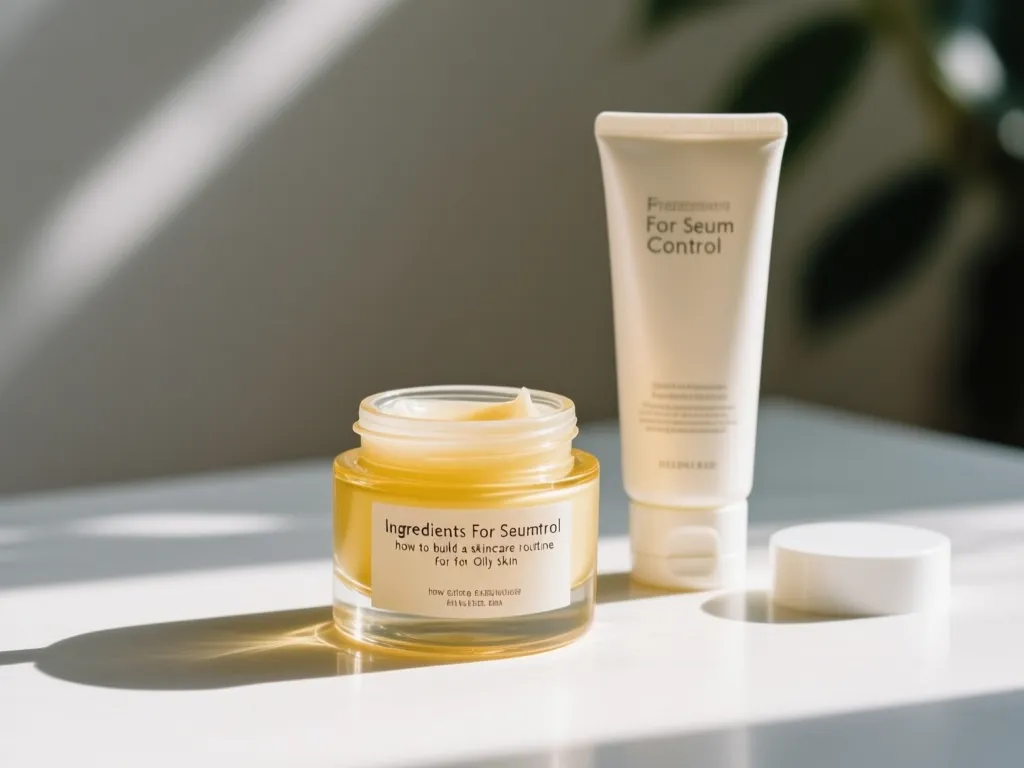
Salicylic acid (BHA) and niacinamide rank as the top performers for managing excess oil because they target the root causes of congestion and shine. Salicylic acid dissolves the glue between dead skin cells inside the pore, while niacinamide stabilizes sebum production at the surface level.
| Ingredient | Primary Function | Best For |
|---|---|---|
| Salicylic Acid | Exfoliation/Pore clearing | Active breakouts, blackheads |
| Niacinamide | Oil regulation | Large pores, oily sheen |
| Retinoids | Cell turnover | Texture, long-term oil control |
Understanding Product Labels
Non-comedogenic labels indicate that a product contains ingredients unlikely to clog pores, which is essential for oily skin prone to acne. Oil-free labels suggest the formulation uses water-based humectants rather than heavy plant oils or mineral oils. Always check the full ingredient list, as marketing terms lack strict regulatory definitions across all global markets.
Dermatologist tip: Perform a patch test on your jawline for 48 hours when introducing any new active ingredient to ensure your skin does not react negatively.
Avoid mixing Vitamin C and retinol in the same application window, as the pH difference can render both ineffective or cause irritation.
Morning And Evening Routine Steps
Effective oily skin management relies on keeping pores clear while maintaining the skin barrier with lightweight, oil-free textures. Prioritizing consistent application order prevents product pilling and ensures that active ingredients penetrate effectively without leaving a heavy, greasy film on the surface.
Morning Routine
Dermatologist tip: Apply products from thinnest to thickest consistency to ensure proper absorption. Always allow your moisturizer to dry for at least one minute before applying sunscreen to prevent layering issues.
Evening Routine
| Product Type | Recommended Texture | Primary Goal |
|---|---|---|
| Cleanser | Foaming/Gel | Remove sebum |
| Serum | Water-based | Target oil/pores |
| Moisturizer | Oil-free gel | Hydrate |
| SPF | Matte/Mineral | Protect/Absorb |
Mistakes That Increase Skin Oil

Skincare for oily skin often involves a delicate balance. Stripping the skin barrier triggers a rebound effect where sebaceous glands produce even more sebum to compensate. This reactive cycle creates a cycle of inflammation and shine that is hard to break.
Skipping moisturizer is a common error. When the skin lacks water, it signals the body to create more oil to fix the dryness. This often results in a “oily T-zone” and dry cheeks simultaneously. Hydration is essential even for the oiliest complexions.
Over-cleansing can strip the lipid barrier, leading to irritation and more oil. Harsh physical scrubs with jagged particles can damage the skin barrier and cause inflammation. Instead of scrubbing, use gentle chemical exfoliants like salicylic acid.
Drugstore Vs High-end Oil Control
Effective oil control depends on specific active ingredients rather than the price tag on the bottle. Basic cleansers and moisturizers from mass-market brands often contain the same functional chemistry as luxury versions, meaning you should save your budget for targeted serums.
Where To Save And Where To Splurge
Basic maintenance items like cleansers and simple water-based moisturizers perform their job well at a low cost. You gain little benefit from paying a premium for a product that rinses down the drain or provides basic hydration.
| Category | Drugstore Recommendation | High-end Recommendation | Why It Matters |
|---|---|---|---|
| Cleanser | CeraVe Foaming Cleanser | SkinCeuticals LHA Cleanser | Drugstore options balance pH well. |
| Serum | The Ordinary Niacinamide 10% | Paula’s Choice 10% Niacinamide | High-end serums often have better texture. |
| Moisturizer | Neutrogena Hydro Boost | Tatcha Water Cream | Splurge for sensory experience only. |
For instance, niacinamide is a gold standard ingredient for regulating sebum production. The Ordinary provides a potent, stripped-down version that functions perfectly for most skin types. You might choose to splurge on a luxury serum if you struggle with the sticky texture or film left behind by cheaper formulations.
Masks And Diy Warnings
Clay masks are popular for absorbing excess oil, but homemade versions often do more harm than good. Kitchen ingredients like lemon juice or baking soda disrupt the skin barrier, leading to increased oil production as your skin attempts to repair the damage.
Dermatologist tip: Never leave a clay mask on until it cracks and turns powdery. Wash it off while it is still slightly tacky to keep your skin barrier intact.
Professional-grade masks often include added soothing agents like aloe or glycerin. These additions prevent the tight, stripped feeling that common drugstore clay masks sometimes cause on sensitive or combination skin.
Pro Tips For Lasting Balance
Mid-day shine requires a distinction between absorbing surface oil and adding more product to your face. Blotting with paper absorbs excess sebum without disturbing your makeup or skincare layers. Powdering can often lead to a cakey appearance if you apply it directly over fresh oil.
Strategic oil management relies on choosing the right tool for the moment. Use blotting papers when you see localized shine on the T-zone. Switch to a translucent setting powder only after you have blotted the area dry.
Esthetician tip: Always blot before you powder. Applying powder directly onto wet oil can trap bacteria and create a thick, textured layer that clogs pores.
Managing Texture And Pores
Enlarged pores often appear more prominent when sebum oxidizes and darkens inside the pore opening. Consistent use of chemical exfoliants like Salicylic Acid (BHA) helps keep these channels clear.
Consistency with your active ingredients is more effective than occasional deep cleaning. If you only exfoliate once a week, you cannot prevent the buildup that stretches the pore wall. Aim for a steady cadence that your skin barrier can tolerate.
| Method | Best For | Frequency |
|---|---|---|
| Blotting Papers | Immediate shine control | As needed |
| Translucent Powder | Setting makeup | AM or PM |
| BHA Liquid | Pore maintenance | 3-4 times weekly |
Professional Solutions For Chronic Oiliness
Professional treatments can address the root causes of overactive sebaceous glands. These options are more intensive than at-home routines and should be discussed with a licensed professional. Always patch test any new high-strength topical treatments before full application.
In practice, many clients find that combining a stable home routine with quarterly professional treatments yields the best results.
For example, using a 2% Salicylic Acid serum every other night can significantly reduce the frequency of breakouts and heavy oil production.
Quick Summary
Managing an oily complexion is less about stripping your skin and more about maintaining a healthy moisture barrier. Many people mistakenly use harsh soaps or skip moisturizer, which triggers the sebaceous glands to produce even more oil. Instead, focus on a routine that emphasizes lightweight, non-comedogenic formulas that hydrate without clogging your pores. By applying products from thinnest to thickest texture twice daily, you ensure your skin receives necessary hydration, which prevents the reactive oil production common in dehydrated skin types. Consistency is the most vital factor for achieving a balanced, matte, and healthy-looking complexion.
To determine if your skin is truly oily, perform the wash and wait test by cleansing your face and waiting sixty minutes to observe your skin behavior. While you can expect to see visible pore reduction and improved oil regulation, keep in mind that total oil elimination is both impossible and unhealthy. Most active ingredients like niacinamide require four to six weeks of daily use before you notice significant changes in your skin. Ultimately, the most important takeaway is that you are managing your skin biology rather than attempting to change it entirely.
| Category | Recommendation |
|---|---|
| Morning Routine | 1. Gentle Cleanser, 2. Niacinamide Serum, 3. Gel Moisturizer, 4. Matte SPF |
| Evening Routine | 1. Oil-free Cleanser, 2. Treatment/Exfoliant, 3. Lightweight Hydrator |
| Key Ingredients | Niacinamide, Salicylic Acid, Lightweight Humectants |
| Stop Doing | Using harsh, alcohol-based toners or aggressive scrubbing |
| Result Timeline | 4 to 6 weeks of consistent daily use |
Frequently Asked Questions
What Is The Correct Order To Apply Skincare Products For Oily Skin?
You should start with a gentle cleanser, followed by a toner or treatment, and finish with a lightweight moisturizer and SPF. Applying heavier creams first can block active ingredients from penetrating the skin.
What Is The Difference Between Salicylic Acid And Benzoyl Peroxide For Acne?
Salicylic acid is oil-soluble, so it goes deep into pores to dissolve oil, while benzoyl peroxide kills the bacteria that cause acne. You can use both together at night, but start with a lower percentage to avoid irritation.
How Long Does It Take To See Results From A New Skincare Routine For Oily Skin?
It typically takes four to six weeks to notice significant changes in texture and oil production. Skincare works from the bottom up, so you might see surface bumps clear up before you notice a difference in overall shine.
Can I Use Harsh Products If I Have Sensitive And Acne-prone Skin?
You must patch test any new active ingredient on your inner arm for 24 hours first. If you have sensitive skin, look for formulations containing soothing agents like niacinamide or centella asiatica to reduce redness.
Is An Expensive Moisturizer Better Than A Drugstore One For Oily Skin?
The expensive version is not always worth it because the active ingredients are usually the same. You can often find effective lightweight lotions with the same oil-control technology at a much lower price point.