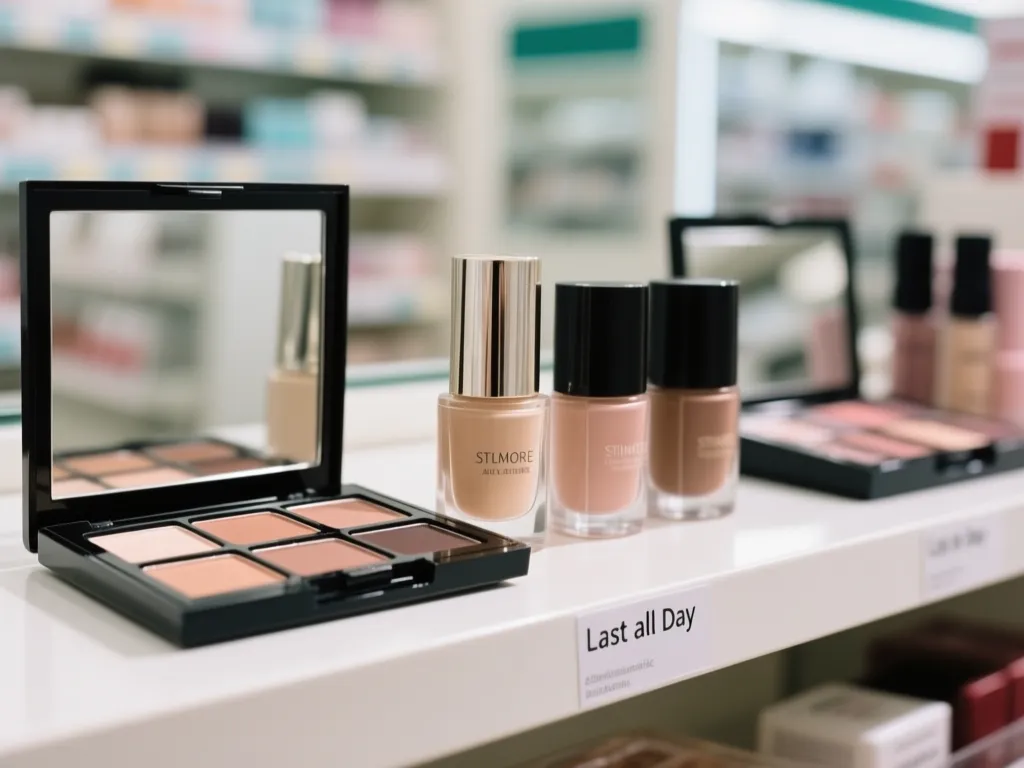
You spend twenty minutes perfecting your base only for it to vanish by lunch. It is frustrating to watch your concealer settle into lines or your foundation slide off your nose before the day ends. You do not need a luxury price tag to get a full look that survives a commute and an eight hour shift. You just need to pick the right formulas.
Drugstore makeup products that last all day rely on film forming polymers and silica to lock pigment in place for over 8 hours. High performance staples like Maybelline SuperStay foundation and Milani Make It Last setting spray create a smudge resistant seal that survives humidity and oil production. Best for: Oily and combination skin. Use caution if: You have very dry or sensitive skin, as these long wear formulas can feel tight.
Drugstore Makeup Products That Last All Day
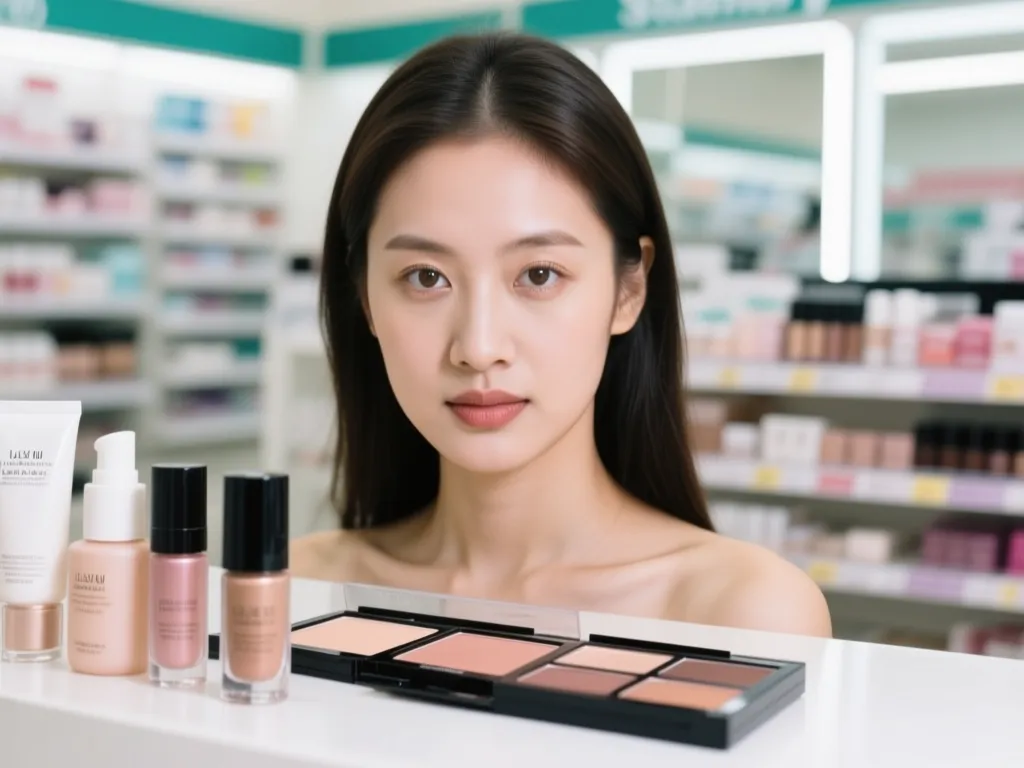
High-performance makeup relies on specific film-forming polymers and oil-absorbing minerals that keep pigments locked to the skin surface for eight hours or longer. These formulations often match the technology found in luxury brands but remove the costs associated with premium packaging and marketing campaigns.
The Reality Of Budget Longevity
Budget-friendly options have evolved significantly, moving away from chalky finishes toward sophisticated, long-wear textures. You can achieve a professional look on a modest budget, provided you prioritize products with ingredients like silica for shine control and acrylates for water resistance.
Professional tip: Longevity depends as much on your skin preparation as it does on the product itself. Always ensure your moisturizer is fully absorbed before applying your base to prevent pilling or sliding.
Expectations for these products should remain grounded in your unique skin needs. A foundation claiming 24-hour wear on a person with extremely oily skin may behave differently than it does on someone with dry, dehydrated skin. Longevity is a spectrum, and finding the right match requires balancing finish with your natural oil production.
Who Benefits Most
| Factor | Expectation |
|---|---|
| Wear Time | 8 to 12 hours with proper setting |
| Finish | Matte, natural, or satin |
| Compatibility | Best for combination to oily types |
| Removal | Requires an oil-based cleanser |
In practice, choose products that specify “long-wear,” “transfer-proof,” or “matte” on the packaging. These labels indicate a higher concentration of binding agents that resist heat and humidity. Avoid products labeled “dewy” or “luminous” if you struggle with makeup fading by midday, as these formulas often contain oils that naturally break down makeup faster over time.
Skin Type Matters
Oil production, moisture retention, and skin barrier health determine how makeup adheres to your face throughout the day. Products that cling perfectly to a dry complexion often slide off oily zones within a few hours.
Oily skin faces the challenge of excess sebum breaking down pigment and foundation polymers. Look for labels that specify matte, oil-free, or long-wear formulas to counteract this natural shine.
Dry skin struggles with foundation settling into fine lines or patchiness caused by a lack of hydration. Focus on cream-based products and dewy finishes that provide a flexible layer over the skin surface.
Combination skin requires a strategic approach, often mixing textures to address specific zones. You may need a mattifying primer on the T-zone while applying a hydrating serum under your concealer to prevent creasing.
Sensitive skin needs careful ingredient scrutiny to avoid inflammation or redness. Fragrance-free and hypoallergenic formulas reduce the risk of reactions that can compromise your makeup base.
Assessing Your Skin Profile
Expert tip: If your skin feels tight after washing, it is likely dry. If you see visible oil across the entire forehead and nose, you have oily skin. If the oil is confined to the center of your face, you have combination skin.
| Skin Type | Primary Goal | Recommended Texture |
|---|---|---|
| Oily | Control shine | Powder or matte liquid |
| Dry | Add hydration | Cream or serum-based |
| Combination | Balance zones | Gel-cream or satin finish |
| Sensitive | Minimize reaction | Mineral-based formulas |
Patch test any new product on your inner wrist or behind your ear for 24 hours before full-face application. This simple step prevents unwanted reactions that can ruin your makeup look and irritate your complexion.
Long-lasting Ingredients
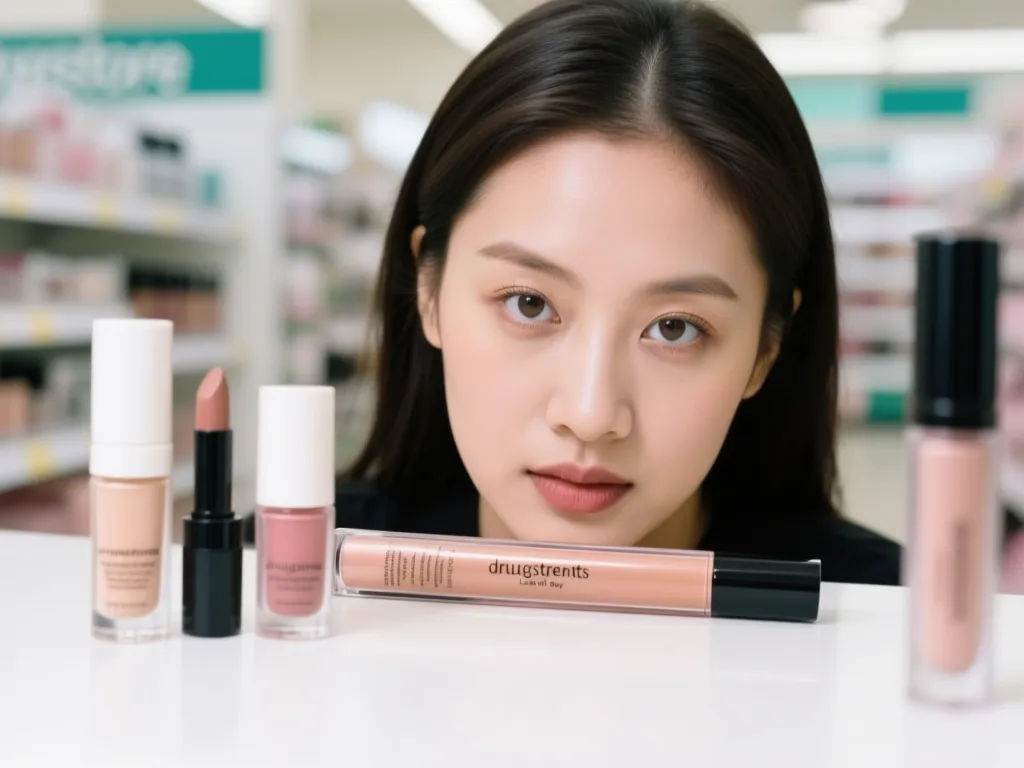
Film-forming polymers create a flexible, breathable mesh over the skin that locks pigments in place and prevents smudging. These compounds act as a physical barrier against sweat, oil, and external friction throughout the day.
Oil-control agents, such as silica or kaolin clay, absorb excess sebum before it can break down the makeup base. These ingredients keep matte foundations from sliding off, which is a common issue for those with oily or combination skin.
Essential Longevity Components
| Ingredient Class | Common Name | Primary Benefit |
|---|---|---|
| Film-Formers | Acrylates Copolymer | Creates a smudge-proof shield |
| Absorbents | Silica | Controls oil and shine |
| Water-Resistant | Dimethicone | Repels moisture and sweat |
| Setting Agents | PVP (Polyvinylpyrrolidone) | Locks makeup for long wear |
Dimethicone and other silicones provide a smooth, water-resistant surface that prevents pigments from migrating into fine lines. These ingredients are standard in long-wear primers and liquid foundations because they do not evaporate easily.
Setting agents like PVP work by creating a lightweight film that binds cosmetic particles together. You find these in many drugstore setting sprays, which act as the final lock for your makeup application.
Esthetician tip: Always check the ingredient list for alcohol denat if you have dry skin, as high concentrations can cause dehydration even if the makeup stays put.
All-day Makeup Routine
Longevity depends on creating a stable foundation through proper skin prep and strategic product layering. You must ensure your skin is hydrated but not oily, as excess sebum breaks down pigments and formulas throughout the day.
Dermatologist tip: Always patch test new primers or setting sprays on your inner arm for 24 hours to ensure you do not react to the synthetic polymers or fragrance ingredients.
Maintaining The Finish
Touch-up strategies keep your face fresh without adding bulk or texture. Carry blotting papers instead of extra powder to remove surface oil without disturbing your foundation layer. If you must add more coverage, use a small amount of concealer on a dampened brush, dabbing only on areas where fading has occurred. Avoid layering fresh powder over damp or oily skin, as this creates a muddy finish that highlights texture.
| Product Type | Longevity Hack | Best For |
|---|---|---|
| Primer | Allow 60 seconds to set | All skin types |
| Foundation | Use a damp sponge | Combination/Oily |
| Setting Spray | Spray before and after powder | All skin types |
Application Mistakes
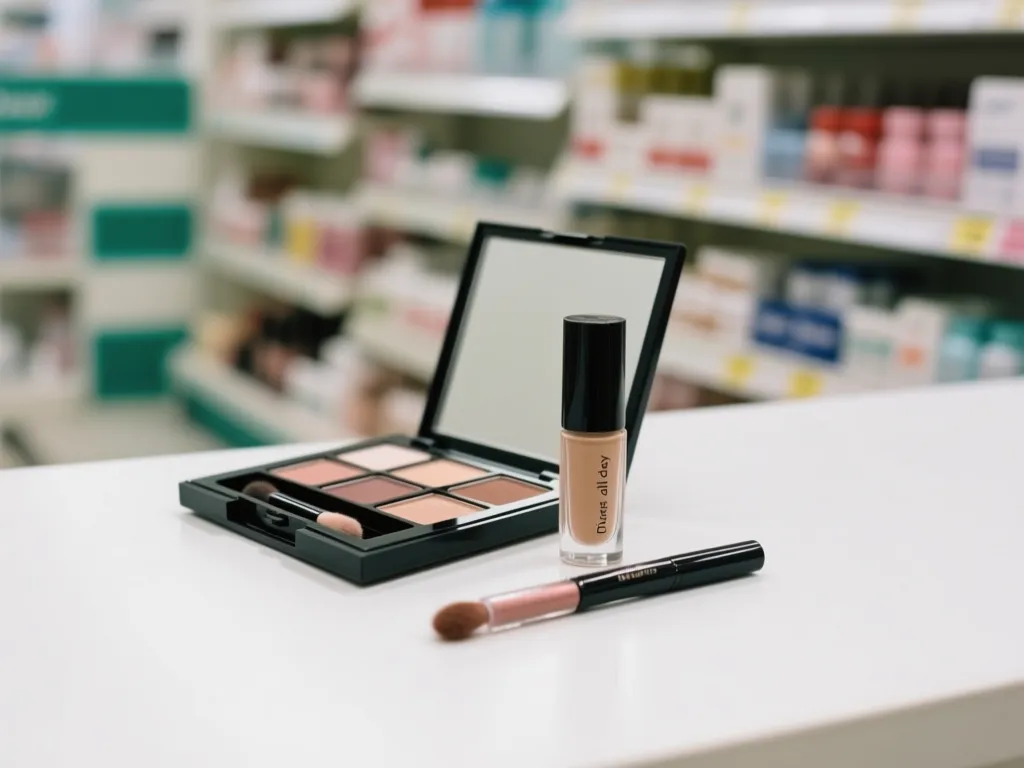
Excessive product layering is the primary cause of makeup shifting, creasing, or sliding off the face by midday. Most long-wear formulas contain high concentrations of polymers and pigments that require only a thin, even layer to provide full coverage and grip.
Applying too much foundation or concealer forces the excess product to sit on top of the skin rather than bonding with it. This creates a thick film that moves with your facial expressions, leading to inevitable cracking in areas like the under-eyes or smile lines.
Common Errors
Expert tip: Use a damp sponge to press your foundation into the skin instead of dragging it. This technique pushes the pigment into the pores and creates a seamless, skin-like finish that resists sliding.
For instance, applying a heavy cream concealer directly from the wand often deposits too much product. Dot a small amount on the back of your hand first, pick it up with a brush, and layer it slowly to achieve the desired coverage without the added weight that leads to creasing.
Quick Summary
Achieving long-lasting makeup on a budget relies on specific ingredients like silica and film-forming polymers. Products such as Maybelline SuperStay foundation and Milani Make It Last setting spray use acrylates to create a water-resistant barrier that lasts over 8 hours. These affordable formulas are ideal for oily or combination skin types because they resist humidity and sebum. However, users with very dry or sensitive skin should be cautious, as these heavy-duty textures can sometimes feel tight on the face.
To ensure your base stays intact, you must prioritize skin preparation by allowing moisturizer to absorb fully before application. Applying product in thin layers and using a light dusting of translucent powder helps prevent caking and controls excess oil. A fine mist of setting spray can add an additional 4 hours of wear to your look. The most important takeaway is that longevity is a spectrum that depends heavily on your unique skin profile and natural oil production.
| Factor | Expectation |
|---|---|
| Wear Time | 8 to 12 hours |
| Finish | Matte, natural, or satin |
| Compatibility | Best for combination to oily types |
| Removal | Requires an oil-based cleanser |
Beauty Routine Cheat Sheet
One Thing To Stop Doing Immediately
Stop applying makeup immediately after moisturizing. If your skin is still wet or tacky from skincare, your foundation is more likely to pill, slide, or oxidize prematurely.
Expected Timeline For Results
You can expect 8 to 12 hours of wear if you use proper setting techniques and match the formula to your skin type.
Frequently Asked Questions
Is Expensive Makeup Actually Better Than Drugstore Makeup For Long Wear?
Not necessarily. Many drugstore brands use the same silicone-based polymers found in luxury products to create a long-wear film on the skin.
What Is The Best Order To Apply Drugstore Makeup So It Stays On All Day?
Apply moisturizer, primer, foundation, concealer, and powder in that order. Finish with a setting spray to lock everything in for 8 to 12 hours.
Can I Use Long-wear Drugstore Foundations If I Have Acne-prone Skin?
Yes, but choose products labeled “non-comedogenic” so they do not clog your pores. Always do a patch test on your jawline for 24 hours first.
Do I Really Need A Primer To Make Drugstore Makeup Last?
It is helpful, but not required. A hydrated skin barrier is often more important for makeup longevity than the primer itself.
What Is The Difference Between A Setting Spray And A Finishing Spray?
Setting sprays use polymers to bond makeup to the skin for long wear. Finishing sprays are designed to remove a powdery look and add a glow.