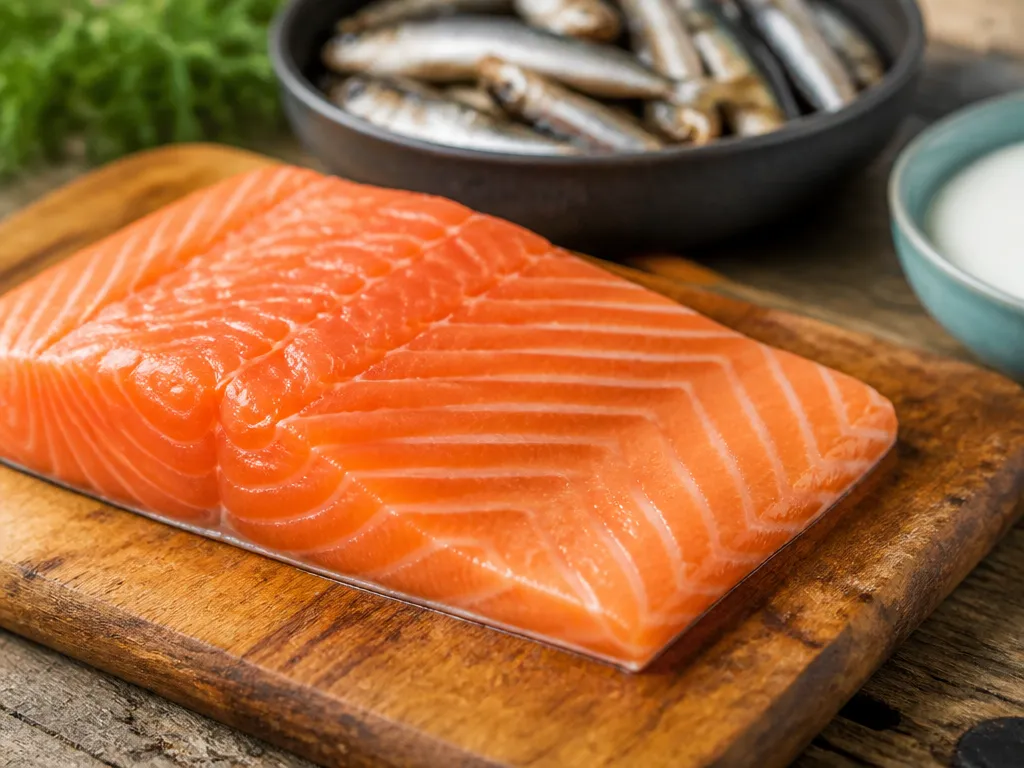
Seeing a high number on your blood pressure monitor can feel unsettling, especially if you have no obvious symptoms. It is common to feel anxious about what this means for your long-term health, but you have more control over your numbers than you might think. Many people successfully manage early-stage elevation through consistent, small changes to their daily habits.
Lowering blood pressure naturally involves adopting the DASH diet, which emphasizes fruits, vegetables, and low-fat dairy while limiting sodium to under 1,500 milligrams per day. Regular aerobic exercise for 150 minutes weekly and managing stress through deep breathing also help significantly. These lifestyle shifts are effective for many people, though some require medication based on their specific health history.
This article is for educational purposes. Always consult your healthcare provider for personal medical advice.
How To Lower Blood Pressure Naturally? Basics
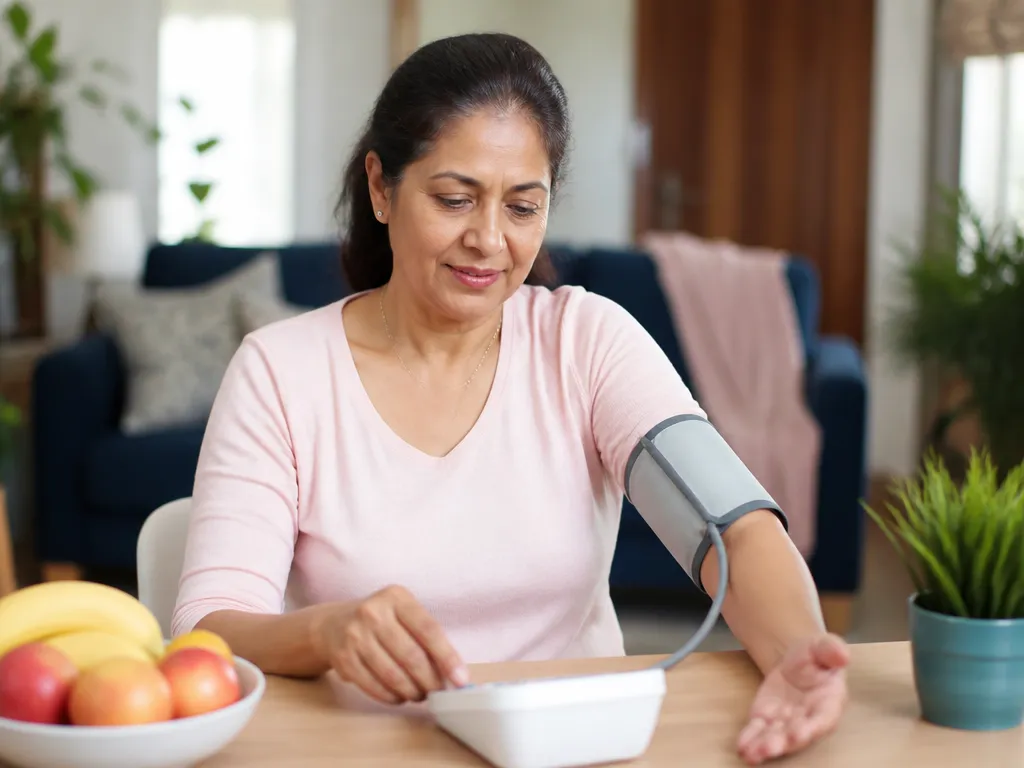
High blood pressure (hypertension) occurs when the force of blood against your artery walls is consistently too high. This extra pressure can damage arteries over time and increase the risk of heart disease or stroke.
This content is for informational purposes only and is not a substitute for professional medical advice.
Understanding The Numbers
Blood pressure is measured using two numbers: systolic and diastolic. Systolic is the pressure when the heart beats, while diastolic is the pressure when the heart rests between beats.
Medical professionals use these numbers to categorize your heart health. A single high reading does not always mean you have a chronic condition, as stress or caffeine can cause temporary spikes.
| Category | Systolic (Top Number) | Diastolic (Bottom Number) |
|---|---|---|
| Normal | Less than 120 | Less than 80 |
| Elevated | 120 – 129 | Less than 80 |
| Hypertension Stage 1 | 130 – 139 | 80 – 89 |
| Hypertension Stage 2 | 140 or higher | 90 or higher |
Who Is Most At Risk?
Age and family history are significant factors. The risk increases as you get older, and people with parents who had high blood pressure are more likely to develop it themselves.
Certain lifestyle factors also increase the likelihood of elevated readings. According to the American Heart Association, these factors can often be managed to reduce risk.
Some people have a form of the condition that has no clear cause. This is called primary hypertension and develops gradually over many years.
For instance, a person might maintain a healthy weight and exercise regularly but still have high readings due to genetics. In these cases, medical supervision is necessary to manage the condition safely.
Warning Signs Of High Blood Pressure
High blood pressure usually shows no symptoms, which is why it is often called the silent killer. Many people live with elevated numbers for years without knowing it. Because of this lack of obvious signs, regular monitoring is essential for catching issues early.
The body adapts to the increased pressure by thickening artery walls, which can eventually lead to heart failure or stroke. Because these changes happen so slowly, the nervous system often does not trigger pain signals until significant organ damage has already occurred. This resilience makes hypertension particularly dangerous because it allows the condition to progress unnoticed until a life-threatening event happens.
While some people believe nosebleeds are a common sign of high pressure, research indicates this is not a reliable indicator. Symptoms that do appear are often vague and can be easily attributed to other causes like stress, lack of sleep, or general fatigue.
- Dizziness or lightheadedness can happen when blood pressure is very high.
Why Does Blood Pressure Rise?
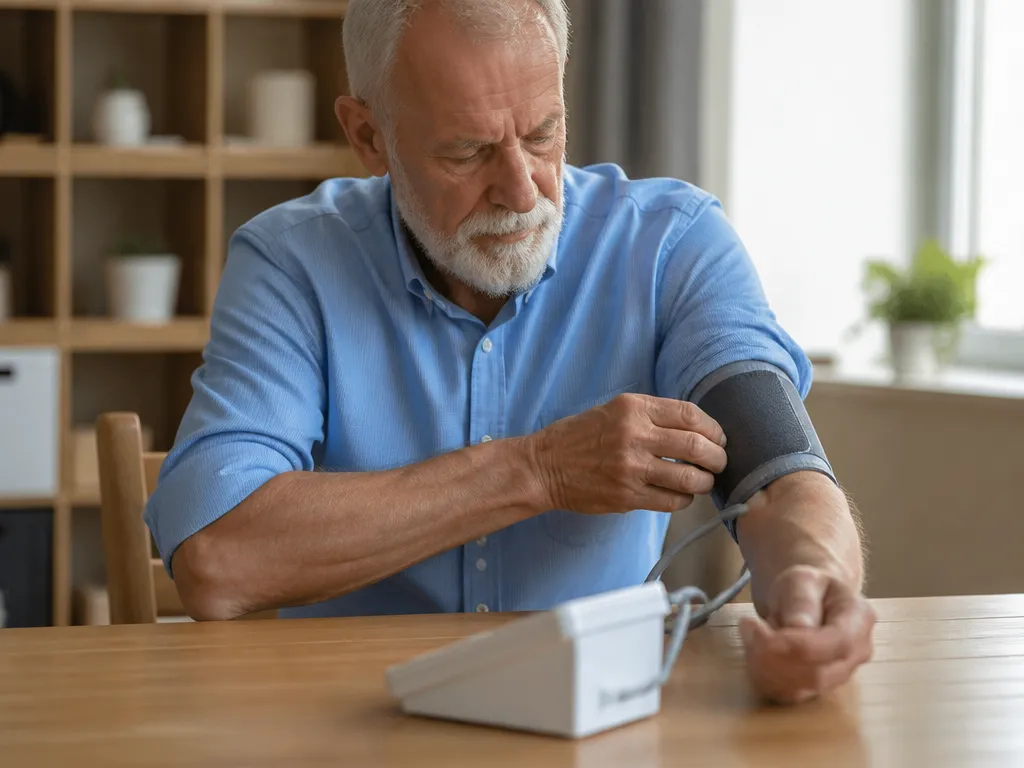
Blood pressure rises when the heart pumps more blood or the arteries narrow and stiffen. This increases the force against the artery walls, which can damage blood vessels over time.
Biological Risk Factors
Genetics play a significant role in how the body handles sodium and regulates blood vessel tension. People with a family history of high blood pressure (hypertension) often have a higher biological predisposition to the condition.
Age also affects the arteries. As people get older, blood vessels naturally lose elasticity and become stiffer. Some people are born with kidney issues that make it harder for the body to balance fluids.
Ethnicity can influence risk levels. For instance, Black adults have a higher prevalence of high blood pressure and often develop it at an earlier age than other groups.
Lifestyle And Environmental Triggers
Daily habits often trigger a rise in pressure. Too much salt causes the body to hold onto extra fluid, which increases the total volume of blood the heart must move.
Chronic stress keeps the body in a fight or flight state. This releases hormones like adrenaline that tighten blood vessels and speed up the heart rate.
Lack of physical activity weakens the heart muscle. A weaker heart must work harder to push blood through the system, which raises the pressure against the artery walls.
Proven Ways To Prevent Hypertension
Research indicates that losing even small amounts of weight can significantly lower blood pressure in overweight individuals. Every 2.2 pounds (1 kg) of weight loss may reduce blood pressure by approximately 1 point, making gradual weight management a powerful preventive strategy.
Maintaining A Healthy Weight
Excess weight forces your heart to work harder to pump blood throughout your body, increasing pressure on artery walls. The DASH diet (Dietary Approaches to Stop Hypertension) has been clinically shown to reduce systolic blood pressure by up to 11 points when combined with weight management.
Reducing Daily Sodium Intake
The American Heart Association recommends limiting sodium intake to less than 1,500 mg per day for optimal blood pressure control. Most adults consume nearly 3,400 mg of sodium daily, primarily from processed foods and restaurant meals.
| Food Category | Average Sodium Content | Better Alternatives |
|---|---|---|
| Canned soups | 800-1200 mg per serving | Low-sodium or homemade versions |
| Bread products | 200-400 mg per slice | Unsalted whole grain options |
| Pizza | 600-1200 mg per slice | Homemade with limited cheese |
Limiting Alcohol And Nicotine
Regular alcohol consumption can raise blood pressure and reduce the effectiveness of blood pressure medications. The National Institutes of Health recommends no more than one drink per day for women and two for men.
Nicotine from cigarettes, vaping, or other tobacco products temporarily raises blood pressure and heart rate while damaging blood vessel linings. Seek emergency care if you experience chest pain with shortness of breath, which could indicate a hypertensive crisis.
According to medical research, quitting smoking can lower blood pressure and reduce the risk of heart disease by up to 50% after one year of abstinence.
This content is for informational purposes only and is not a substitute for professional medical advice. If your blood pressure consistently reads above 130/80 mmHg, see your doctor soon to discuss appropriate monitoring and treatment options.
Medical And Lifestyle Treatment Options
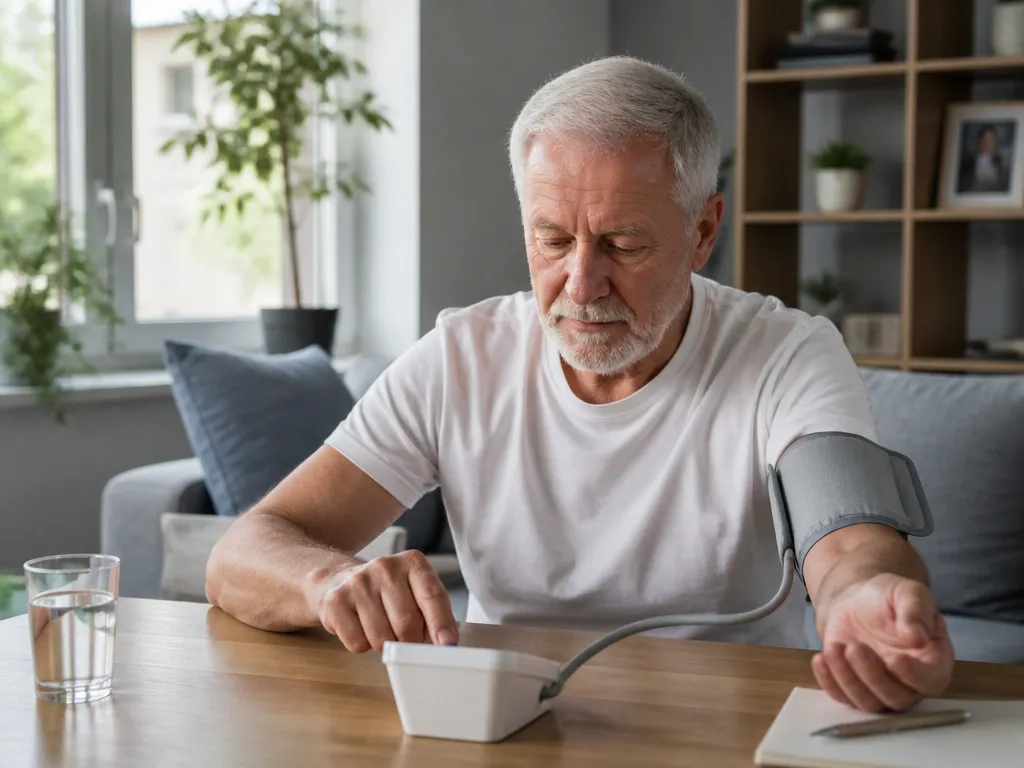
Several medication classes exist to manage high blood pressure, including ACE inhibitors, calcium channel blockers, diuretics, and beta-blockers. These medications work through different mechanisms to relax blood vessels or reduce fluid volume, thereby lowering blood pressure readings.
Common Prescription Medications
ACE inhibitors like lisinopril and angiotensin II receptor blockers (ARBs) such as losartan help relax blood vessels by affecting the renin-angiotensin system. Calcium channel blockers including amlodipine work by preventing calcium from entering heart and blood vessel cells, causing them to relax.
Diuretics, sometimes called water pills, help your kidneys eliminate sodium and water from your body, reducing blood volume. Beta-blockers like metoprolol work by blocking the effects of adrenaline, causing your heart to beat slower and with less force.
Combining Medicine With Lifestyle Changes
Medication works most effectively when combined with lifestyle modifications. Research indicates that even modest lifestyle changes can enhance the effectiveness of blood pressure medications and sometimes reduce the dosage needed.
The Role Of Clinical Supervision
Regular monitoring by healthcare professionals is essential for effective blood pressure management. Blood pressure should be checked at least once every year if readings are normal, or more frequently if elevated or when starting new treatments.
| Blood Pressure Category | Systolic (mmHg) | Diastolic (mmHg) | Recommended Action |
|---|---|---|---|
| Normal | Less than 120 | Less than 80 | Recheck in 2 years |
| Elevated | 120-129 | Less than 80 | Monitor annually |
| Stage 1 Hypertension | 130-139 | 80-89 | Confirm within 2 months, consider treatment |
| Stage 2 Hypertension | 140 or higher | 90 or higher | Confirm within 1 month, initiate prompt treatment |
This content is for informational purposes only and is not a substitute for professional medical advice. Always consult with your healthcare provider before making any changes to your treatment plan or starting new medications.
Strong adherence to both prescribed medications and lifestyle modifications provides the best outcomes for blood pressure control. However, never discontinue prescribed medications without consulting your healthcare provider, even if you feel better or notice improvements in your readings.
According to the American Heart Association, combining lifestyle changes with medication can lower blood pressure by 10-20 mmHg systolic and 5-10 mmHg diastolic, which is comparable to adding a second medication.
Diet And Exercise For Heart Health
Nutrition and physical activity form the foundation of natural blood pressure management, with research showing lifestyle changes can reduce readings by 5-11 mmHg. These approaches work by improving blood vessel elasticity, reducing arterial plaque, and optimizing cardiovascular function.
The Dash Diet Approach
The Dietary Approaches to Stop Hypertension (DASH) diet specifically targets blood pressure through nutrient-dense foods. This eating pattern emphasizes fruits, vegetables, whole grains, and lean proteins while limiting sodium intake to under 1,500 mg daily.
Potassium-rich Foods
Potassium helps balance sodium levels and relaxes blood vessel walls. Incorporating these foods can significantly impact blood pressure regulation. Aim for 3,500-4,700 mg of potassium daily through dietary sources.
| Food | Potassium Content (mg) | Serving Size |
|---|---|---|
| Baked potato with skin | 926 | 1 medium |
| Sweet potato | 542 | 1 medium |
| Banana | 422 | 1 medium |
| Spinach | 419 | 1/2 cup cooked |
| Avocado | 487 | 1/2 medium |
Exercise Protocols
Regular physical activity strengthens the heart, allowing it to pump blood with less effort. The American Heart Association recommends 150 minutes of moderate aerobic exercise or 75 minutes of vigorous exercise weekly, plus muscle-strengthening activities twice weekly.
Stress Reduction Techniques
Chronic stress elevates blood pressure through hormone imbalances and increased heart rate. Incorporating mindfulness practices can help mitigate these effects and support overall cardiovascular health.
According to the American Heart Association, mindfulness-based stress reduction techniques may lower blood pressure by improving the body’s relaxation response and reducing inflammation.
Daily breathing exercises, such as the 4-7-8 technique (inhale 4 seconds, hold 7 seconds, exhale 8 seconds), can activate the parasympathetic nervous system and promote immediate relaxation.
This content is for informational purposes only and is not a substitute for professional medical advice. Always consult with your healthcare provider before making significant changes to your diet or exercise routine, especially if you have existing health conditions or are taking medications.
When Is High Blood Pressure Dangerous?
Blood pressure readings become dangerous when they reach the level of a hypertensive crisis, defined as 180/120 mmHg or higher. This state requires immediate medical attention to prevent permanent damage to organs like the heart, kidneys, and brain.
Natural lifestyle adjustments remain essential for long-term health, but they are not a substitute for emergency care. If your monitor displays these critical numbers, wait five minutes and test again. If the reading remains at or above 180/120 mmHg, contact your physician or seek emergency services immediately.
Recognizing Emergency Symptoms
Physical warning signs often accompany dangerously high blood pressure readings. These symptoms indicate that your body is under extreme stress and needs professional intervention to stabilize.
When Natural Approaches Are Not Enough
Natural strategies like reducing sodium, exercising, and managing stress are effective for mild to moderate blood pressure elevation. However, these methods may not suffice for individuals with underlying health conditions, severe genetic factors, or those whose pressure remains consistently high despite diligent lifestyle changes.
According to the American Heart Association, individuals who cannot bring their blood pressure into a healthy range through lifestyle changes alone often require medication to lower their risk of heart attack and stroke.
| Symptom or Reading | Possible Meaning | Severity |
|---|---|---|
| 180/120 mmHg or higher | Hypertensive Crisis | Emergency |
| Chest pain with 180/120+ | Organ damage risk | Emergency |
| 140/90 mmHg consistently | High blood pressure | See a doctor soon |
This content is for informational purposes only and is not a substitute for professional medical advice. Always consult your healthcare provider to create a personalized plan for monitoring and managing your blood pressure safely.
Quick Summary
Managing elevated blood pressure often involves consistent lifestyle adjustments that target the root causes of arterial strain. The DASH diet serves as a primary strategy, which encourages the consumption of fruits, vegetables, and low-fat dairy while restricting daily sodium intake to under 1,500 milligrams. Additionally, engaging in 150 minutes of aerobic exercise each week helps strengthen the heart and reduce systemic pressure. These natural approaches are effective for many individuals, though some people may still require medical intervention based on their specific health history and genetic predispositions toward hypertension.
Because high blood pressure typically presents no clear symptoms, it is often referred to as the silent killer. It is crucial to monitor your numbers at home using a validated cuff and to maintain a written log for your doctor. If your readings consistently remain above 130/80 mmHg, you should seek professional medical guidance. While factors like age and family history are beyond your control, taking daily steps such as eating potassium-rich foods and brisk walking can significantly improve your cardiovascular health and long-term outcomes.
Health Action Plan
High blood pressure is rarely accompanied by obvious physical signs, but you should remain vigilant for the following indicators: persistent headaches, unexplained dizziness, lightheadedness, and general fatigue. Please note that these symptoms are often vague and can be caused by many different health factors. You should see a doctor immediately if your blood pressure readings are consistently at or above 130/80 mmHg. Additionally, consult a healthcare provider if you experience sudden, severe symptoms like chest pain or extreme confusion, which may indicate a medical emergency.
You can take these evidence-based actions today to support your heart health:
1. Limit your daily sodium intake to under 1,500 milligrams to reduce fluid retention and heart strain. 2. Increase your intake of potassium-rich foods such as bananas, spinach, and sweet potatoes. 3. Commit to 30 minutes of brisk walking five days per week. 4. Practice deep breathing exercises daily to help manage stress levels. 5. Start a written log to track your blood pressure readings at the same time each day.
Self-Assessment: See a doctor if you have 3 or more of these symptoms: frequent headaches, regular dizziness, persistent lightheadedness, consistent fatigue, or blood pressure readings that remain above 130/80 mmHg.
| Category | Systolic (mmHg) | Diastolic (mmHg) |
|---|---|---|
| Normal | Less than 120 | Less than 80 |
| Elevated | 120 – 129 | Less than 80 |
| Hypertension Stage 1 | 130 – 139 | 80 – 89 |
| Hypertension Stage 2 | 140 or higher | 90 or higher |
Disclaimer: This content is for educational purposes only and is not a substitute for professional medical advice, diagnosis, or treatment. Always seek the advice of your physician or another qualified health provider with any questions you may have regarding a medical condition.
Frequently Asked Questions
Is High Blood Pressure A Serious Condition That Goes Away On Its Own?
High blood pressure is a chronic condition that rarely goes away without intervention and can lead to serious risks like heart attack or stroke if left unmanaged. You should view it as a long term health commitment, as consistent monitoring and medical supervision are necessary to keep your numbers in a safe range.
What Specific Lifestyle Changes Are Proven To Lower Blood Pressure?
Regular physical activity, such as 150 minutes of moderate aerobic exercise per week, is one of the most effective ways to lower your blood pressure naturally. Maintaining a healthy weight and limiting alcohol intake also provide significant, measurable benefits to your cardiovascular health.
Are There Specific Foods I Should Eat Or Avoid To Manage My Blood Pressure?
Focus on the DASH diet, which emphasizes fruits, vegetables, and whole grains while limiting sodium intake to less than 1,500 milligrams per day for most adults. It is equally important to avoid processed foods high in hidden salt and saturated fats, which can cause your blood pressure to spike.
How Long Does It Usually Take To See Improvements In My Blood Pressure Readings?
While some people may notice small changes within a few weeks of adopting healthier habits, it typically takes one to three months of consistent lifestyle modifications to see a stable, significant impact. Please remember that this content is for educational purposes and you should consult your doctor before making major changes to your diet or exercise routine.
Can Stress Make High Blood Pressure Worse?
Yes, chronic stress can contribute to temporary spikes in blood pressure and may lead to unhealthy habits that increase your long term risk. While stress management techniques like deep breathing or meditation are helpful, you must see a doctor if you cannot manage your pressure levels through lifestyle changes alone or if you experience symptoms like chest pain or severe headaches.