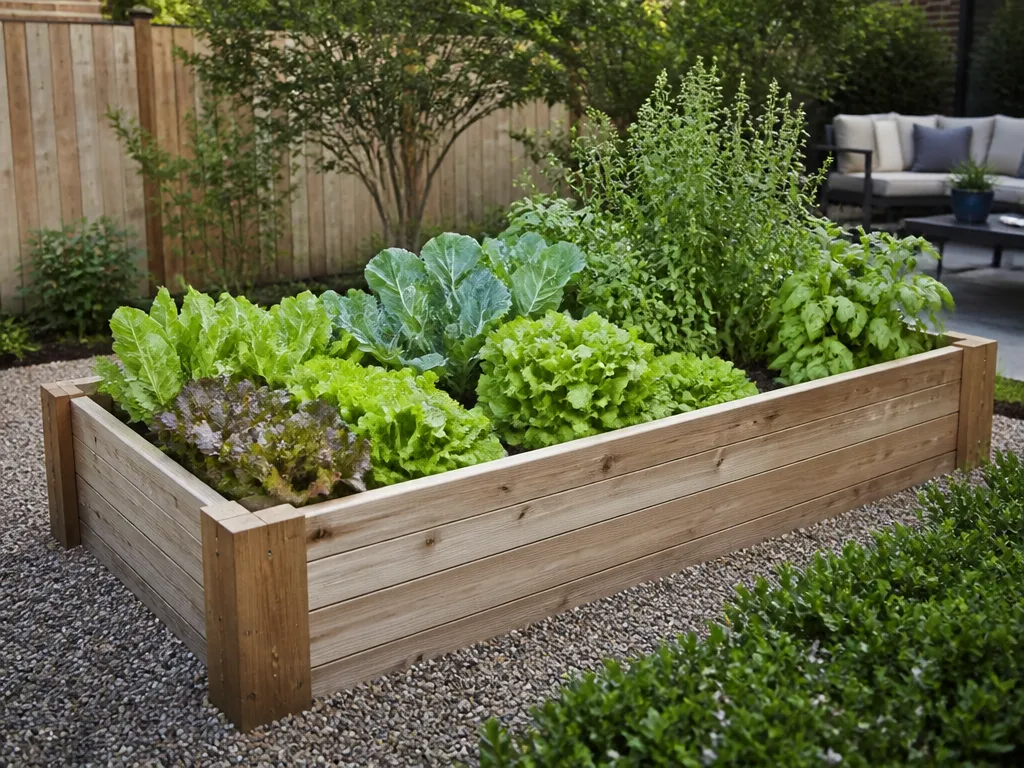
Hollyhocks make beginners feel like they have a green thumb fast, because a packet of seeds can turn into tall, pollinator-friendly blooms with surprisingly little fuss. The only thing that really trips people up is timing, because hollyhock seedlings hate heat and hate being rushed. Get the sowing dates right, and the rest falls into place.
Key facts: full sun to light shade, keep soil evenly moist until germination, and plan around your last frost date. Hollyhocks do well in USDA zones 3-9, and they are easy to start, especially with indoor or early-direct sowing.
| Sun Needs | Water | Soil pH | USDA Zones | Difficulty | Time to Harvest |
|---|---|---|---|---|---|
| Full sun to light shade | Even moisture until germination, then water when top 1 inch dries | Slightly acidic to neutral (about 6.0 to 6.8) | 3-9 | Beginner-friendly | Seedlings: 1-2 weeks; blooms vary by start time |
Plant hollyhock seeds 6 to 8 weeks before your last frost if starting indoors, then transplant after risk of frost. For direct sowing, sow when soil is cool and workable, about 2 to 4 weeks before the last frost, or in fall about 6 to 8 weeks before hard freezes. Keep soil evenly moist until sprouts appear.
When To Plant Hollyhock Seeds?
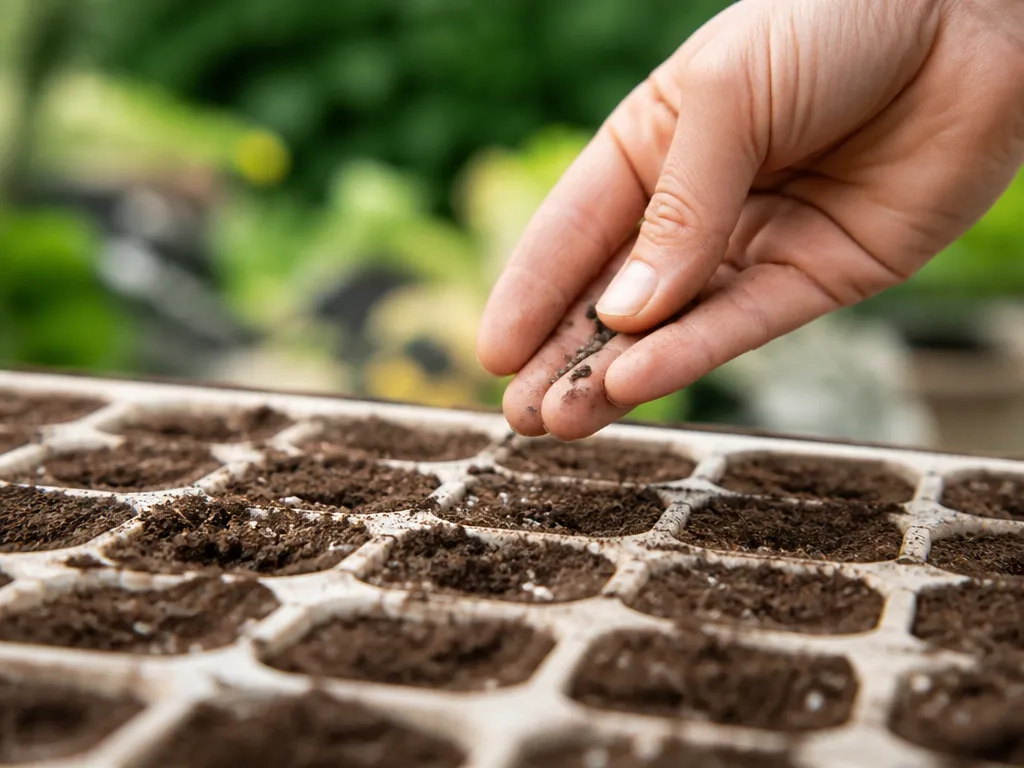
Hollyhock seeds can be started indoors or direct-sown, but your decision should be based on frost timing and whether you can keep young plants from drying out. Use this rule of thumb: start indoors 6 to 8 weeks before your last frost date, or direct sow when soil is workable, typically 2 to 4 weeks before the last frost. Hardy in Zones 3-9.
Hardy in Zones 3-9, hollyhock is happiest with cool, consistent germination conditions. Indoors gives you earlier blooms, but it also adds transplant stress, so direct sowing often grows sturdier plants if your timing window is good. Outdoors, soil temperature matters more than calendar dates; aim for soil around 55-65°F for fastest, most even sprouting.
| Zone / Frost Anchor | Best Method | Start Sowing Window | What to Watch |
|---|---|---|---|
| Cool zones (3-5) | Direct sow (preferred) or indoors for early start | Direct: 2-4 weeks before last frost, only if soil is workable. Indoors: 6-8 weeks before last frost. | Cold snaps can delay germination. Don’t sow too early into frozen soil. |
| Mid zones (6-7) | Direct sow or early indoor start | Direct: 1-3 weeks before last frost to the frost-free week after. Indoors: 6-8 weeks before last frost. | Watch for drying winds once seedlings emerge. |
| Warm zones (8-9) | Fall sowing is often best | Fall: 6-8 weeks before your first fall frost, or early spring before heat begins to build. | Heat can stall growth. Shade cloth helps if sun is intense right after sprouting. |
For spring sowing, pick one path. Indoors: sow in cell packs or small pots and start counting back from your last frost date, 6 to 8 weeks is the sweet spot. Outdoors: direct sow when the soil is workable, typically 2 to 3 weeks before last frost in cool climates or during the last frost week in warmer ones.
For fall sowing, plan around your first frost. Direct sow in the open ground about 6 to 8 weeks before the first hard frost so seedlings can establish roots, then protect them during winter with a light mulch (keep it loose, not matted). If you’re in Zone 8-9, fall sowing usually gives you stronger plants than spring because it avoids peak summer stress.
For example, if your last frost date is April 20 (Zone 6-ish), start indoor sowing around late February to early March, then transplant after danger of frost has passed. If you miss the ideal window and sow late, hollyhock may still germinate but you often get smaller, less established first-year plants, which can mean fewer flowers the same season (or delayed flowering into the following year).
Ideal Timing And Climate Needs
Hollyhock seeds germinate best when soil temps stay around 55-70°F (13-21°C). Sow outdoors when the ground is workable and frost risk is nearly past, then keep the seedbed evenly moist until sprouts appear.
Hardy in Zones 3-9, hollyhock is flexible, but timing decides success. Outdoors, aim for planting when daytime temperatures are consistently cool to mild because young seedlings hate both hard frosts and heat spikes. Indoors, you can start earlier, but you still need a cool, bright start before transplanting into your spring weather.
Temperature And Sowing Windows (Quick Rules)
Use temperature as your main dial. Seeds laid in cold, wet soil tend to stall, while seedlings exposed to sustained hot weather after sprouting can fail or get leggy.
| Method | Best Soil Temp | Target Timing | What usually goes wrong |
|---|---|---|---|
| Outdoor sowing | 55-70°F | About 2-4 weeks before last frost, when ground is workable | Cold soak (no germination), late frost (leaf burn) |
| Indoor start | 65-70°F for fastest germination | Start 6-8 weeks before last frost | Overgrown seedlings, weak stems (too little light) |
| Early fall sowing (if you want it) | Cool nights, mild days | About 6-8 weeks before a hard frost | Winter heaving if soil stays waterlogged |
For a zone-based calendar, trust your local frost dates over generic months. General windows that work across most gardens are below, with the big caveat that coastal climates and mountain regions can shift soil warmth by weeks.
| USDA Zone | Outdoor sowing window | Indoor start window | Transplant timing |
|---|---|---|---|
| Zones 3-4 | Late April to May | Late Feb to March | After last frost (often May) |
| Zones 5-6 | April to early May | Early to mid-March | When nights are reliably above ~40°F |
| Zones 7-8 | March to April | Late Jan to Feb | Transplant after nights stabilize above ~45°F |
| Zones 9 | Late Feb to March (or late fall) | Dec to Jan (only if you can keep them cool) | Early spring planting, avoid hot spells |
Calculate Your Dates (Last-frost Formula)
Use your last-frost date to set the calendar. Find it from your local extension or weather history, then count backward: Indoor sowing = last frost date minus 6-8 weeks.
Calculate transplant timing like this: Transplant outdoors = last frost date plus 1-2 weeks for fragile starts, or plus about 2-3 weeks if your spring nights still dip hard.
For example, if your last frost is May 5, start indoors around mid-March to early April, then transplant in early to mid-May once nights are calmer.
In my beds, hollyhocks fail most often when seeds germinate into cold mud or seedlings get shocked by late nights. I win by waiting for soil warmth and by hardening off before transplanting.
Heat Risk Versus Frost Risk
Seedlings can handle light cool weather, but they struggle after exposure to repeated frosts once they have true leaves. If a late frost threatens after you sow outdoors, cover rows with a light frost cloth and remove it in the morning to prevent overheating.
Heat risk shows up when daytime temperatures climb fast before plants form sturdy stems. In hot Zones 8-9, give seedlings partial afternoon shade or sow early enough that sprouting happens before summer heat ramps up.
Soil Readiness For Outdoor Sowing
Outdoor sowing needs soil that crumbles, not slumps. Work the bed when it is dry enough to form a loose clod and break apart easily, then rake it smooth so seeds sit in good contact with moisture.
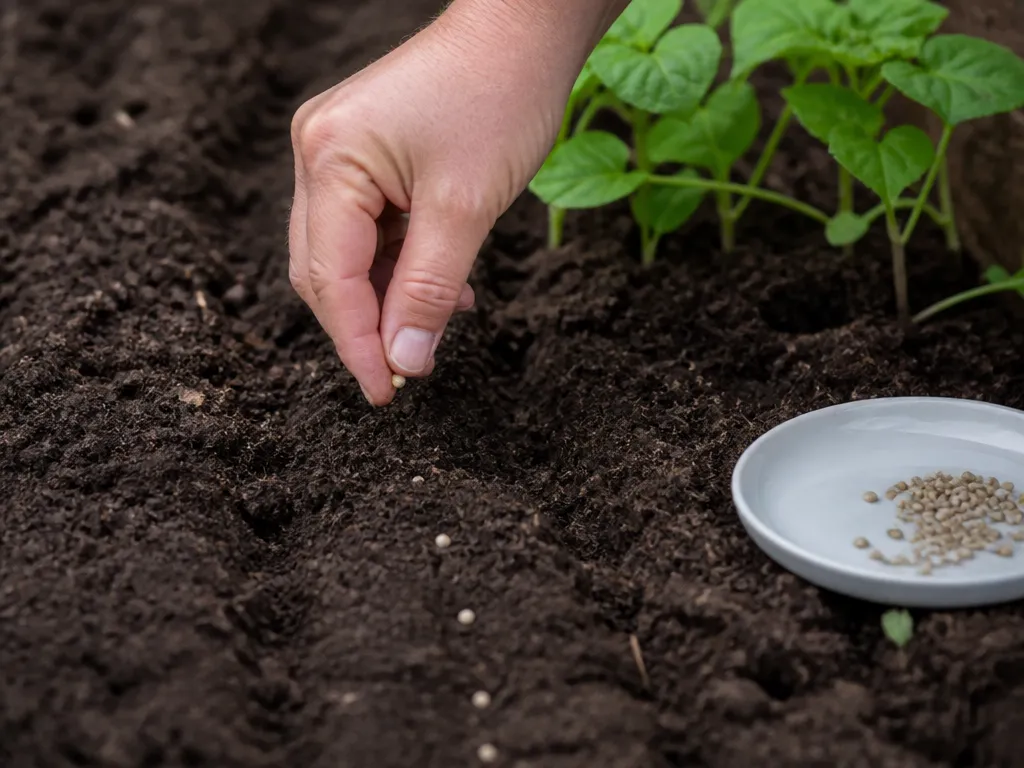
Plant seeds 1/4 inch deep, spacing 12 inches apart (or sow thinly and thin later), with rows 24 inches apart. Water in gently so the top 1 inch stays evenly moist, then aim for 1 inch of water per week total (more often if your spring is windy and dry), adjusting to rainfall.
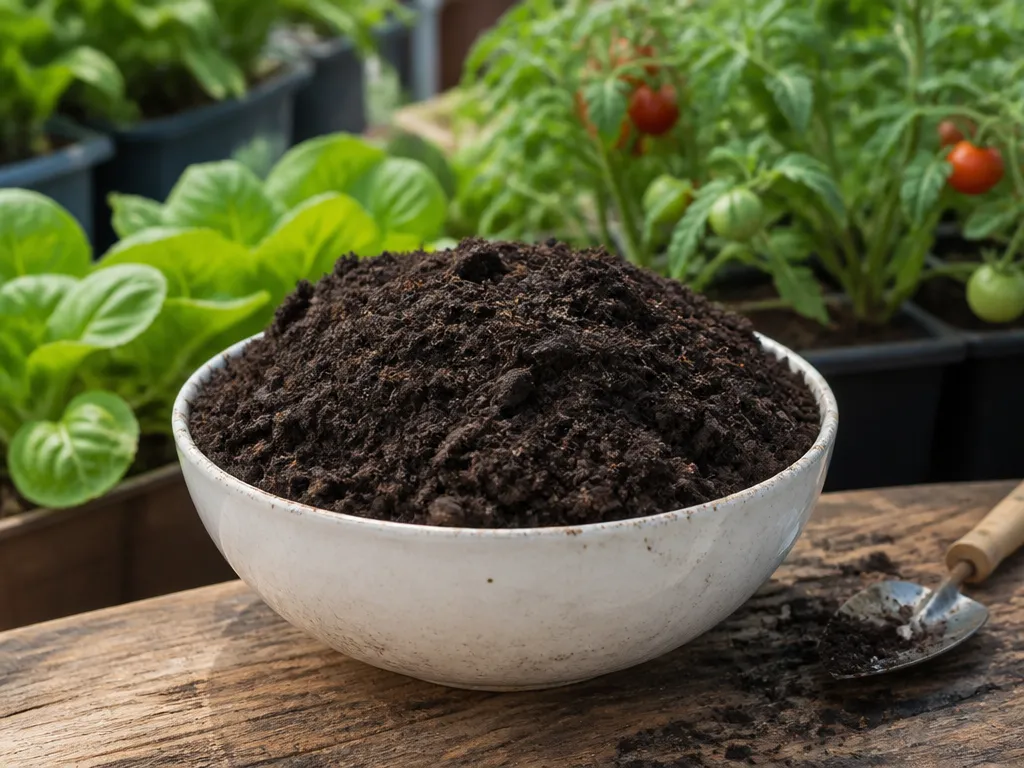
Soil should be fertile and well-drained, with a preferred pH of 6.0-6.8. If your soil is acidic, blend in a light, organic compost dressing first, and avoid heavy fresh manure that can keep the seed zone too wet and biologically active.
Indoor Sowing Schedule
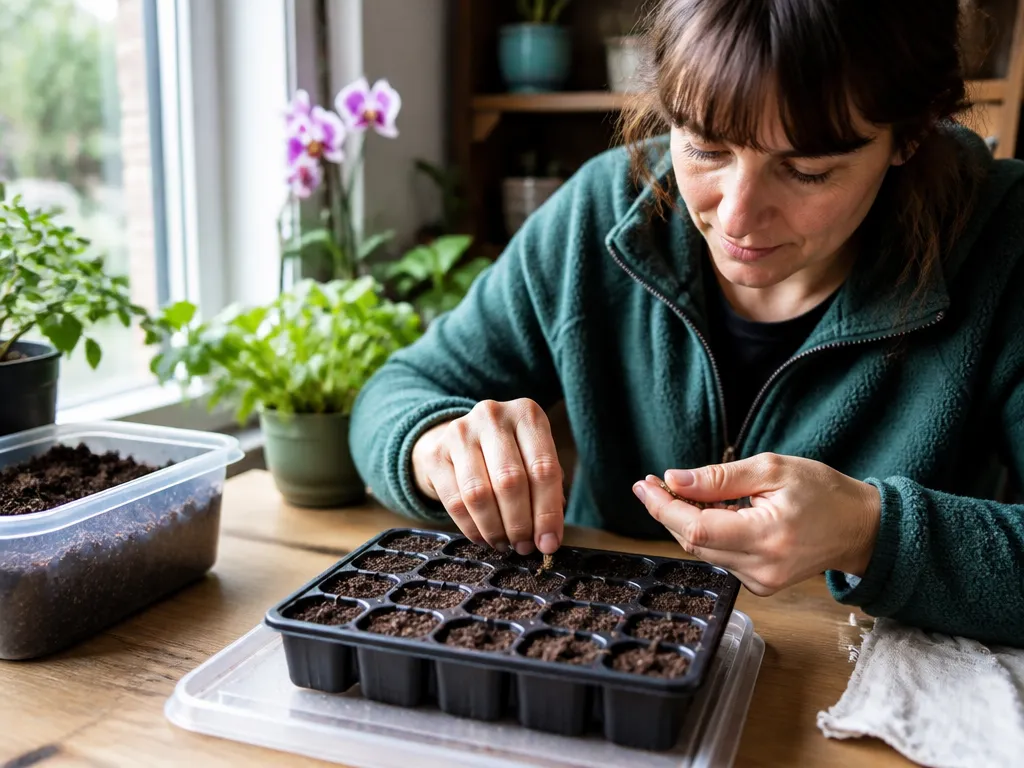
Start hollyhock seeds indoors 6 to 8 weeks before your last frost date. Transplant outdoors when seedlings have 3 to 5 true leaves and nighttime temperatures stay reliably above 50°F, because cold snaps can stall growth. Hollyhocks are hardy in Zones 3-9, so the main timing trigger is your frost date and spring warmth.
Use this sowing clock to plan your week. Count back from last frost, then sow so seedlings are sturdy but not pot-bound.
Germination planning (typical indoor conditions): Expect emergence in about 7 to 21 days at 65-75°F. Day-by-day, you can plan like this:
| Day from sowing | What you do | What you should see |
|---|---|---|
| Day 0 | Sow 1/4 inch deep in seed-starting mix, water to settle. | No sprouts yet. |
| Days 1-5 | Cover lightly (vented dome), keep evenly moist. | Drying stops, mix stays cool and dark. |
| Days 6-10 | Check daily for first cracks and keep humidity steady. | First emergence may start. |
| Days 11-21 | Remove cover once sprouted, move to brightest light. | Most seedlings should be up by now. |
Transplant timing is leaf-based, not calendar-based. Transplant when seedlings have 3 to 5 true leaves (usually about 3-4 weeks after sowing) and roots fill their cells.
Hardening-off window is 10 to 14 days. Start with 1-2 hours outdoors day 1-2 in shade, then increase exposure by 30-60 minutes per day, finishing with full sun and overnight outdoors only if nights are above 50°F.
Seedling spacing in trays matters because hollyhocks can get leggy fast indoors. For best airflow, sow thinly and keep 1 seed per cell in 2-3 inch pots or use a tray with 2 inch spacing, then thin to one strongest seedling per spot if multiple sprout.
Garden note from my plots: if you start them too early and let them crowd, hollyhocks grow tall and thin, then struggle after transplant. I’d rather sow closer to week 6 than nurse lanky seedlings for an extra month indoors.
If your nights are still in the 30s or low 40s, hold transplants and extend hardening-off instead of forcing them into the garden.
Direct Sow Outdoor Calendar
Hollyhock seeds germinate best outdoors when the soil is cool, then warms steadily, and you keep the bed evenly moist until sprouting. Hardy in Zones 3-9, hollyhock is easiest to direct sow about 2 to 4 weeks before your last frost date in spring or in fall before winter.
| Timing choice | Direct sow window (use your frost date) | Soil and weather conditions to check | Sowing depth | Row spacing / plant spacing | Thinning time | Germination expectations outdoors |
|---|---|---|---|---|---|---|
| Spring sow | 2-4 weeks before last frost date, or when soil is workable | Soil works as a crumble (not mud), top 2-3 inches is 50-70°F | ¼ inch deep | Rows 24 inches apart; thin to 12-18 inches | When seedlings have 2 sets of true leaves (about 3-5 weeks after sowing) | Usually 10-21 days if soil stays evenly moist |
| Fall sow | 6-10 weeks before first frost, or late fall right after a killing frost | For “soon before frost”: soil still workable; for “after frost”: seeds sit in cool soil and get winter stratification | ¼ inch deep | Rows 24 inches apart; thin to 12-18 inches | When seedlings emerge and are 2-3 inches tall in spring | Often 2-8 weeks after winter ends (varies by spring warmth) |
Spring Direct Sow Window (By Last Frost Date)
Spring sowing for hollyhock starts once the soil is workable and warming. For many gardens, that is typically 2-4 weeks before your last frost date, when the top 2-3 inches of soil are no longer cold and wet.
Spring sowing works best in full sun, 6-8 hours daily, and in beds that drain well. Hollyhocks prefer slightly acidic soil, pH 6.0-6.8, so if your garden soil is chalky, mix in compost and avoid over-correcting pH with lime right before sowing.
Fall Direct Sow Window (By First Frost Date)
Fall direct sowing is a great fit when you miss spring. Sow 6-10 weeks before your first frost date for the best chance of partial germination, or sow after a killing frost for winter stratification, where seeds wait for warmth to pop.
Fall beds should still be in full sun, but you want moisture control since soggy soil can rot weak sprouts. Mix in compost for drainage and keep the seedbed surface lightly covered, then let winter handle the cold period.
Soil/bed conditions before sowing: choose a site with full sun, pH 6.0-6.8, and fast drainage; test by digging a small hole, filling it with water, and watching how quickly it drains. If it stays wet for hours, improve drainage with compost and avoid low spots. Prefill the bed with compost first, then sow; avoid fresh manure that can encourage rot and uneven germination.
Sowing depth and thinning: plant seeds about ¼ inch deep and keep rows 24 inches apart. Thin to 12-18 inches once seedlings have 2 sets of true leaves (spring sowing) or when overwintered seedlings are 2-3 inches tall (fall sowing), because crowded plants stay small and develop stem issues.
Germination timing outdoors: spring-sown seed often germinates in 10-21 days if soil stays consistently moist and temps are trending warmer. Fall-sown seed may not show until 2-8 weeks after winter ends, depending on how quickly your spring warms.
In my beds, the biggest germination boost is simple consistency, keep the top inch damp through the germination window, then back off once seedlings are up so they do not rot in saturated soil.
Watering During Germination
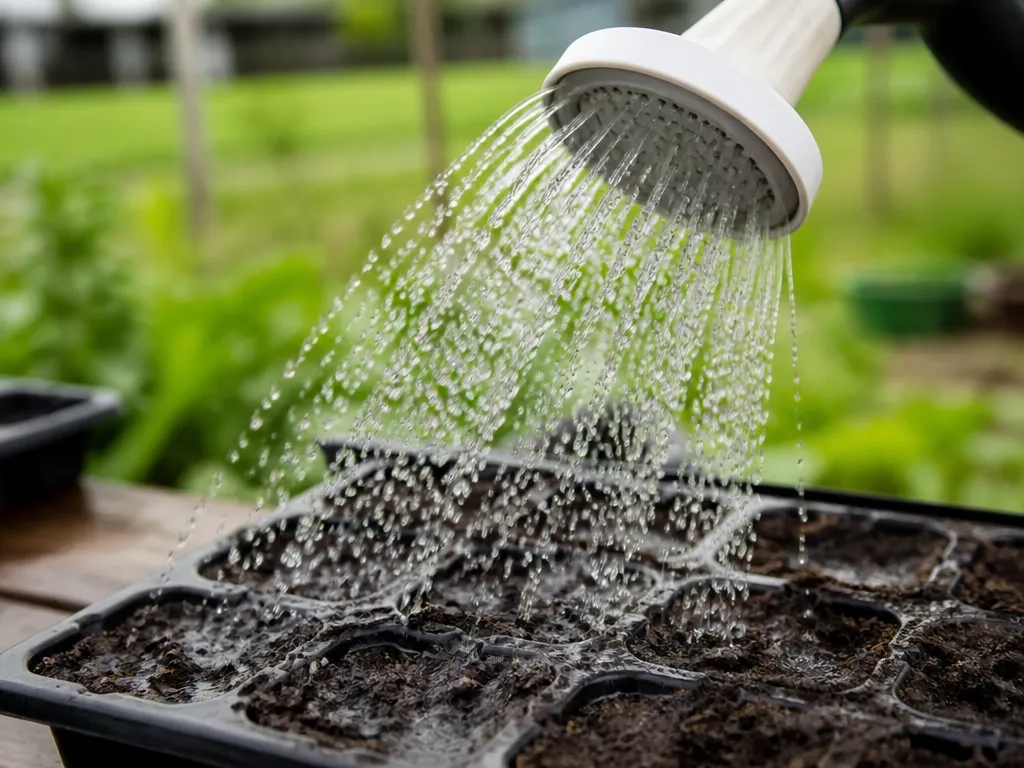
Keep the seed-start mix consistently moist, like a wrung-out sponge, from sowing until you see steady sprouts. Hollyhock seedlings need moisture, but soggy mix smothers roots and invites damping-off. For hardy hollyhocks, aim for even moisture and never let the surface dry to dust.
Use different moisture targets indoors versus outdoors. Seed-start mix should stay evenly damp at the depth where seeds sit, usually 1/4 to 1/2 inch, without pooling on the surface. Garden beds should get 1 inch of water per week total during the first 2-3 weeks, with smaller, more frequent watering in heat or wind.
| Stage | Moisture target | How to check |
|---|---|---|
| Indoor germination | Damp throughout the top 1-2 inches | Stick a finger 1 inch down, it should feel cool and moist |
| Outdoor germination | Top 1 inch stays moist | Lightly lift a corner of mulch or check soil at seed depth |
Water indoors by rhythm, not by schedule. In most homes, you will water or mist every 1-3 days until germination, then taper as seedlings develop.
In practice, lift the cover briefly, mist if the top looks dry, and expect faster drying when trays sit in warm windows.
For outdoor beds, the first 2-3 weeks is the critical window. Water lightly 2-3 times per week if you are not getting regular rain, then adjust down once seedlings are up and leaf growth is steady. If nights are cool and humidity is high, water less often, because cold, wet soil increases damping-off risk.
Mulch and shade can protect moisture, but they can also smother. Use a thin layer of 1/4 to 1/2 inch fine compost or seed-starting medium over sown seeds only, if your sowing method calls for it, and keep it breathable. For outdoor sowings, a light shade cloth over hoops is helpful during hot spells, but vent the sides so the soil surface does not stay wet for long periods.
In my gardens, hollyhock germination fails most often when people “help” by watering daily. I aim for consistent dampness, then I back off as soon as sprouts break the surface.
Overwatering and underwatering look surprisingly similar at first, so use quick fixes. Overwatered seeds are usually slow to emerge, surface stays dark and wet, and the mix smells sour or fungus-y; underwatered seeds stay pale and the surface crusts. Fixes are straightforward: if it is wet, improve airflow and reduce watering immediately; if it is dry, re-wet gradually so you do not flood channels.
| Problem | Signs | Fix |
|---|---|---|
| Overwatering | Wet surface, collapsed seedlings, gray fuzz or damp stems | Stop frequent watering, increase ventilation, water only when top 1/2 inch dries |
| Underwatering | Crusting, no sprouting after normal window, seeds look dry | Moisten gently, then mist lightly to maintain dampness |
| Uneven moisture | Some rows sprout, others stall; dry patches | Water in shorter cycles and avoid letting one area fully dry out |
When you see germination, shift the goal from “damp” to “lightly moist.” Outdoors, reduce watering frequency slightly but keep roots growing by maintaining 1 inch per week in total during establishment. Indoors, once seedlings have true leaves, water when the top inch of mix begins to dry, usually every 2-4 days, depending on light and temperature.
Pests And Seedling Diseases
Hollyhock seedlings most often fail when cool, wet soil stays soggy and airflow is poor during germination. Sow in a narrow window so seedlings emerge in warming conditions, and keep the surface evenly moist (not waterlogged) until you see sprouts.
In practice, a simple emergence plan reduces most early failures: start or sow when you can provide bright light indoors or warm, breathable soil outdoors. If cool, rainy weather hits, delay sowing and protect the bed with a low hoop frame to prevent prolonged saturation while still allowing airflow.
Rust Risk And Long-game Prevention
Rust usually becomes noticeable later in the season when humidity stays high and plants remain wet for long periods. Begin prevention at planting time by spacing plants so leaves dry fast, and keep seedlings thinned to maintain good airflow. Choose sites with full sun, 6-8 hours direct sunlight daily, since shaded beds stay wet longer and rust takes hold faster. Hollyhocks prefer slightly acidic soil, pH 6.0-6.8, and healthy plants tolerate stress better when weather turns.
| Pest/Disease | Typical timing on seedlings | Organic solution |
|---|---|---|
| Damping-off | Before or just after emergence, during cool, wet spells | Warm soil, shallow sowing (¼ inch), avoid overwatering, thin for airflow, remove collapsed seedlings immediately |
| Slugs/snails | First 10-21 days after sowing | Copper barriers, beer traps, hand-pick at dusk, keep bed debris-free |
| Aphids | When seedlings form 2-4 true leaves | Water blast, insecticidal soap, repeat weekly if needed |
| Rust (late) | Mid to late season, during humid weather | Full sun, spacing for airflow, water at soil level, remove heavily affected leaves |
In my beds, the biggest “disease insurance” is sowing so seedlings pop quickly. Slow, cold emergence turns one bad week of rain into a whole row of lost plants.
Seasonal Hollyhock Task List
Hollyhock seed timing is simple: start indoors 6-8 weeks before your last frost date, or sow outdoors about 2-4 weeks before last frost when soil is workable. Hardy in Zones 3-9, hollyhocks can handle cool weather, but young seedlings hate cold wet soil and hard frosts.
| Month/Season | Planting Window | Hardy Zones 3-9 Timing Rule | Action for Best Germination |
|---|---|---|---|
| Late winter | Jan-Feb | Pick dates 6-8 weeks before last frost | Sow indoors in trays, keep 65-75°F, cover lightly |
| Early spring | Mar | Begin hardening 10-14 days before last frost | Transplant only after nights stabilize above the mid-40s°F |
| Mid-spring | Apr | Direct sow 2-4 weeks before last frost | Direct sow outdoors when soil is workable and not waterlogged |
| Summer | May-Aug | Plant replacements only if nights stay mild | Protect seedlings from heat, keep steady moisture |
| Fall | Sep-Nov | Optional: overwinter sowing where winters are mild | Sow after temps cool, mulch heavily to prevent heaving |
| Winter | Dec-Feb | Hollyhock is hardy, seeds are the issue | Protect any overwinter beds from freezing-thawing and erosion |
Late Winter (Prep + First Indoor Sow)
Late winter sowing is for getting sturdy seedlings ready for transplant, not for forcing early growth. Start seeds indoors 6-8 weeks before your last frost date, using a seed-starting mix kept evenly damp, ideally around 65-75°F.
Sow seeds about 1/4 inch deep and keep the surface evenly moist with a gentle misting routine. Full sun helps once seedlings appear, but air must be cool enough to avoid leggy growth; aim for bright light and consistent moisture.
Early Spring (Transplant + Harden Schedule)
Harden off beginning 10-14 days before your last frost date by moving seedlings outdoors for longer periods each day. Transplant only when nighttime lows are dependable, often above the mid-40s°F, because cold shocks slow root establishment.
When transplanting, plant seedlings 12 inches apart in rows spaced 24 inches apart. Water in thoroughly so the root ball is settled, then keep evenly moist for the first week with about 1 inch of water per week.
Mid-spring (Direct Sow + Thinning)
Direct sow about 2-4 weeks before your last frost date, when soil is workable and not soggy. Direct-sown hollyhock seed usually does best with light coverage, so plant them 1/4 inch deep and cover with fine soil or compost.
Space seedlings by thinning once they have a couple true leaves. Thin to 12 inches apart so the plants can form strong taproots without competing.
Summer (Heat Checks + Seedling Protection)
Summer planting is a rescue window, so it should go to the smallest “gap” areas when you missed spring sowing or lost seedlings. Heat makes seedlings dry out fast, so check moisture daily during hot spells and water deeply when the surface dries.
Water young plants to reach roots, about 1 inch per week, then adjust upward for weeks with high heat or wind. Use shade cloth for seedlings during peak afternoon sun if temperatures swing above the low 90s°F, and remove shade once plants are established.
In my gardens, hollyhocks that survive their first heat wave grow into the best, least problem-prone plants for the rest of the season.
Fall (Overwinter Sowing Options + Bed Protection)
Fall overwinter sowing can work, especially in Zones 6-9 where winter thaws are less brutal, but it’s riskier in colder, freeze-thaw winters. Sow after temperatures cool, but before the ground is fully frozen, and cover with 1/4 inch soil plus a thicker mulch layer.
Use bed protection to prevent seeds from heaving, add 2-4 inches of mulch, and keep it in place until spring warms. In spring, remove mulch gradually so seedlings can emerge into light and airflow.
Winter (What To Do And What To Skip)
Winter work is mainly protection, not meddling. Avoid re-sowing or disturbing the soil in frozen beds, since hollyhock seeds can shift and seedlings can fail if roots get damaged during spring emergence.
Protect overwinter beds from erosion with mulch and leaf cover, but keep coverage breathable enough to reduce rot in mild spells. Store any remaining seeds cool and dry, and plan your next sow date by counting back 6-8 weeks from your last frost for indoor starts.
When To Transplant Or Thin
Transplant hollyhock seedlings when they have 2 to 3 sets of true leaves and a root mass you can lift without falling apart, usually 3 to 4 weeks after they germinate. Thin direct-sown seedlings as soon as they reach 2 inches tall, then finish at the final spacing once plants are 6 to 8 inches tall.
Final spacing is where most gardeners mess up, because hollyhocks get tall and need airflow to reduce rust pressure later. Target 12 to 18 inches apart in the row, with rows or clusters about 24 inches apart for easy weeding and air movement.
Thin in two passes: first leave roughly 6 inches between plants when seedlings reach 2 inches, then leave 12 to 18 inches when they reach 6 to 8 inches.
Transplant depth is simple, but it matters. Plant seedlings at the same depth they grew in the cell, then firm the soil so the stem stays exposed at the same level. Space roots carefully so they do not circle, and water in right after planting with about 1/2 to 1 gallon per plant for small beds, or enough to saturate the root zone without pooling.
Rain and frost can wreck a transplant week, especially in early spring. Plan to transplant mid-morning on a dry day, then delay if heavy rain or frost is expected.
| Timing trigger | What to do | Rule of thumb |
|---|---|---|
| 2 to 3 true-leaf sets | Transplant from indoors | Transplant about 2 to 3 weeks before you expect hot summer, but after cold snaps pass if possible |
| Seedlings at 2 inches | First thinning (direct sow) | Leave roughly 6 inches between plants |
| Seedlings at 6 to 8 inches | Final thinning | Leave 12 to 18 inches between plants |
In my gardens, seedlings that are thinned too late grow fine at first, then crowd and stay wet in the canopy. That is when rust shows up and you lose the “easy flowers” feeling.
Quick Summary
Hollyhock seed timing is the make-or-break detail, because seedlings hate heat and do not like being rushed. Success depends on cool, even start conditions: plant in full sun to light shade, keep the soil evenly moist until germination, and plan everything around your last frost date. Hollyhocks do well in USDA zones 3-9 and typically start as seedlings in about 1 to 2 weeks, depending on when you sow.
For planting windows, start indoors 6 to 8 weeks before your last frost, then transplant after the risk of frost has passed. Direct sow about 2 to 4 weeks before the last frost when soil is workable and cool, ideally around 55 to 65°F for even sprouting. Seeds are planted 1/4 inch deep, spaced about 12 inches apart, and kept moist with about 1 inch of water per week. The single most important takeaway is to avoid hot, dry conditions during germination.
| Method | When to Plant | Key Target | Sowing Details |
|---|---|---|---|
| Indoor start | 6 to 8 weeks before last frost | Cool, steady germination | Transplant after frost risk ends |
| Direct sow (spring) | 2 to 4 weeks before last frost | Soil workable, cool-season timing | 1/4 inch deep, about 12 inches apart |
| Fall sowing | 6 to 8 weeks before hard freezes | Seedling roots establish before winter | Light, loose mulch protection |
Frequently Asked Questions
When Should I Plant Hollyhock Seeds In My Usda Zone?
Sow hollyhock seeds about 2 to 4 weeks before your average last frost for spring planting, or start them indoors 6 to 8 weeks before that date if your spring is short. If you want fall sowing, plant outdoors in late fall so seeds sit through winter, but wait until temperatures are consistently cool to avoid rotting.
How Often Should I Water Hollyhock Seeds After Planting?
Keep the seed-starting mix evenly moist, not soggy until you see germination, usually within a few weeks. Once seedlings are established, water when the top 1 inch of soil feels dry, aiming for deep soaking rather than daily sprinkles.
Why Are My Hollyhock Leaves Turning Yellow, Brown, Or Spotted?
Yellowing often points to overwatering or poor drainage, while brown spots can come from fungal leaf disease when foliage stays wet. Give plants airflow, water at the soil line, and remove badly affected leaves early to slow the spread.
What’s Eating My Hollyhock Plants, And How Do I Stop It Organically?
Common culprits are slugs, snails, and leaf-chewing insects, especially in cool, damp conditions. Use hand-picking at dusk, set beer traps for slugs where appropriate, and treat with Bt (Bacillus thuringiensis) for caterpillars and a soap spray for soft-bodied pests.
Can I Grow Hollyhocks In Containers Or Raised Beds, And How Do I Harvest Later?
Yes, but choose a pot that’s at least 12 to 18 inches deep with excellent drainage, and keep watering steady because container soil dries faster. Hollyhock “harvest” is usually seed collection, so wait until seed pods are dry and turning brown, then clip and let pods finish drying indoors before you store the seeds.