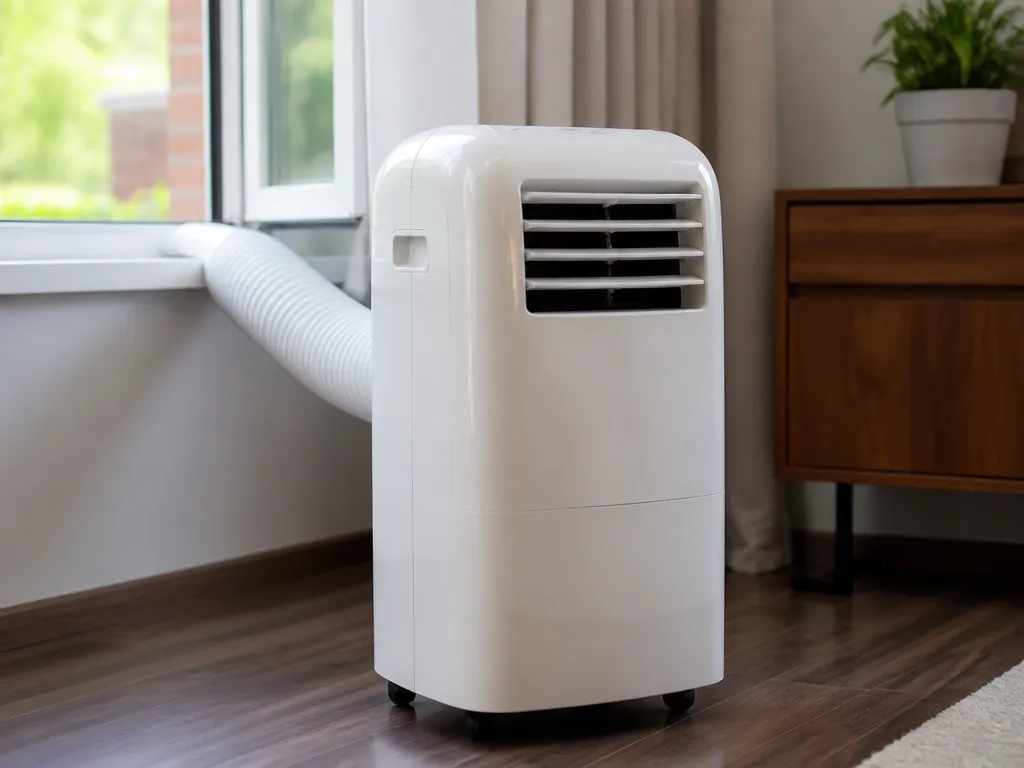
Running a portable air conditioner could add $30 to $70 to your monthly electricity bill during hot months. These units consume significant power compared to other appliances, making it crucial to understand their energy impact before buying or using one. This article breaks down exactly how much electricity portable air conditioners use and how to minimize costs.
Portable air conditioner electricity usage ranges from 700 to 1,500 watts while running, costing about $0.11 to $0.23 per hour based on national electricity rates. Daily operation for 8 hours translates to approximately 5.6-12 kWh and $0.88 to $2.76 in energy costs.
How Much Electricity Does A Portable Air Conditioner Use?
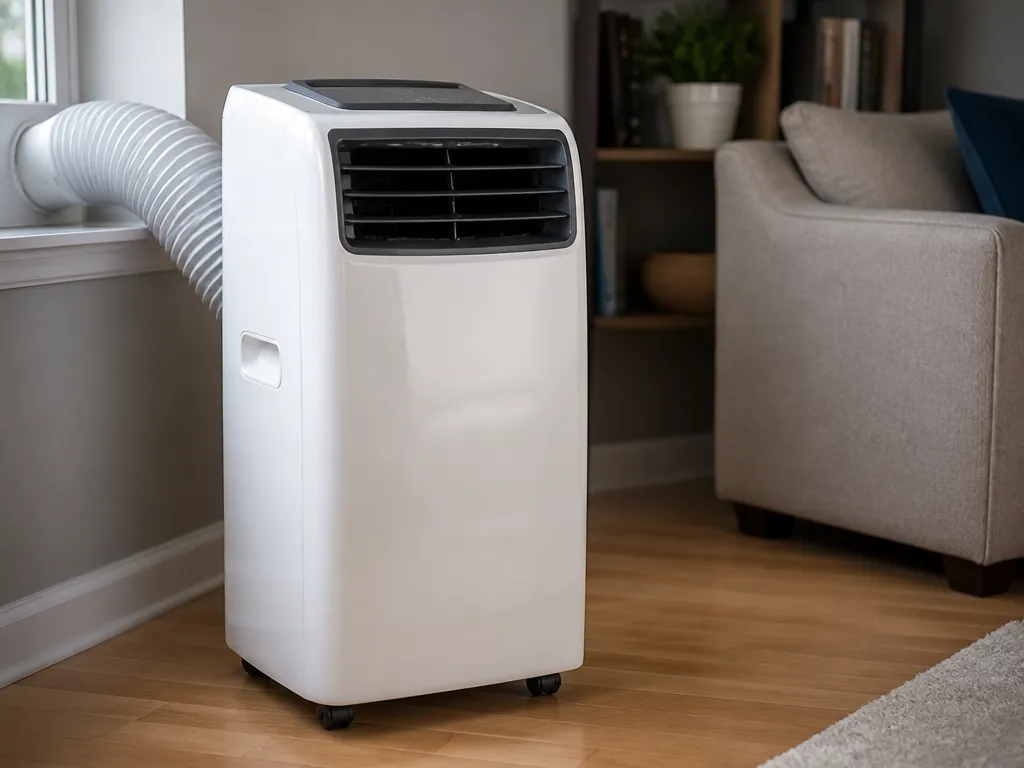
Portable air conditioners typically consume between 700 and 1,500 watts of electricity while the compressor is running. A standard 8,000 BTU unit usually draws about 900 watts, while larger 14,000 BTU models often reach 1,300 to 1,500 watts.
Energy consumption scales directly with the cooling capacity and the amount of time the compressor engages to reach your set temperature. Because these units cycle on and off, the actual daily kilowatt-hour (kWh) usage depends heavily on the ambient temperature and the insulation quality of your room.
Estimating Monthly Operating Costs
Calculating your monthly cost requires checking your local electricity rate per kilowatt-hour, which is printed on your monthly utility bill. Multiply your unit’s wattage by the number of hours used per day, divide by 1,000 to get kWh, and multiply by your local rate.
Pro tip: Use a plug-in energy monitor to track the exact consumption of your unit over 24 hours. This device costs $20 to $30 and provides a precise picture of how your specific usage patterns impact your bill.
Typical Power Draw By Unit Size
| Cooling Capacity (BTU) | Estimated Wattage | Avg. Monthly Cost (at $0.15/kWh) |
|---|---|---|
| 8,000 BTU | 800W – 950W | $45 – $60 |
| 10,000 BTU | 950W – 1,100W | $55 – $75 |
| 12,000 BTU | 1,100W – 1,300W | $70 – $90 |
| 14,000 BTU | 1,300W – 1,500W | $85 – $110 |
Monthly costs assume an average usage of 8 to 10 hours per day during peak cooling months. Units older than 10 years often operate less efficiently and may draw 20 percent more power than modern models to achieve the same cooling effect.
Always inspect the power cord for signs of fraying or heat damage before plugging in your unit. Portable air conditioners pull a significant continuous load, so avoid using extension cords that are not rated for heavy-duty appliance use, as these create a fire hazard.
How Portable Air Conditioners Cool Rooms
Portable air conditioners remove heat from indoor air by circulating refrigerant through a closed loop system powered by an electric compressor. This process pulls warm air across cold evaporator coils, transfers the heat into the refrigerant, and then exhausts that heat outside through a dedicated vent hose.
Compressor operation determines the bulk of your electricity consumption. When the thermostat detects that the room temperature exceeds your set point, the compressor kicks on to pump refrigerant, which draws between 700 and 1,500 watts depending on the unit’s BTU capacity.
The Refrigeration Cycle
Refrigerant changes state from a liquid to a gas as it absorbs heat from your room air. The compressor then squeezes this gas, raising its temperature and pressure before sending it to the condenser coils. A fan blows outside air across these coils to dissipate the heat, and the refrigerant cools back into a liquid to restart the cycle.
Pro tip: Always keep your exhaust hose as straight and short as possible. Every foot of unnecessary hose length increases back-pressure on the internal fan and forces the compressor to run longer to achieve the same cooling effect.
Venting And Efficiency
Proper venting is the most critical factor in maintaining energy efficiency. Because these machines pull air from inside the room to cool the condenser coils and then blow it outside, they create negative pressure. This pressure difference pulls hot, humid replacement air from other parts of your home or through window gaps, which forces the unit to work harder and consume more electricity.
Sealing the window kit with foam tape and ensuring the exhaust hose does not have sharp kinks will save you money on your monthly utility bills. A poorly sealed vent can increase the time your compressor runs by 20% or more, directly impacting your total kilowatt-hour usage per day.
Specs To Prioritize When Buying
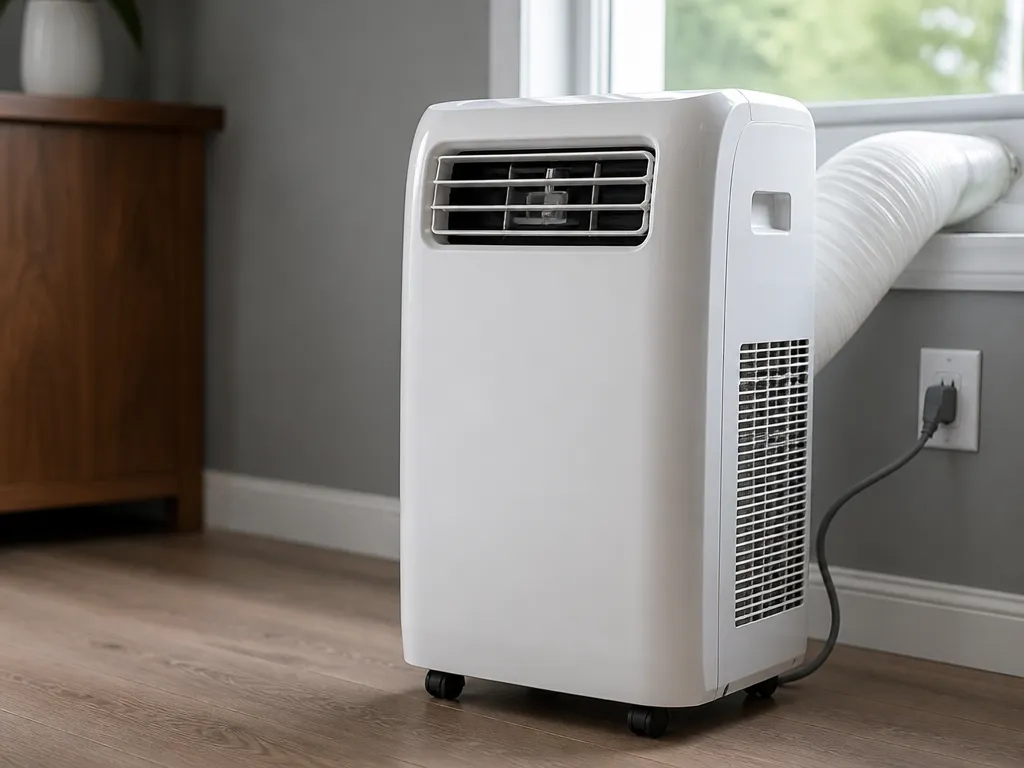
The Seasonal Adjusted Cooling Capacity (SACC) rating provides the most accurate measure of energy consumption for portable air conditioners. Older BTU ratings often overestimate performance because they do not account for the heat generated by the unit itself, leading to higher electricity bills than expected.
SACC ratings reflect the actual cooling power after accounting for the heat infiltration caused by the exhaust hose. Units with a higher SACC-to-wattage ratio deliver better cooling per dollar spent on electricity. When shopping, ignore standard BTU labels and look specifically for the SACC value on the EnergyGuide yellow tag.
Key Efficiency Indicators
Efficiency relies on features that prevent the compressor from running longer than necessary. A programmable thermostat allows you to set specific cooling schedules, which prevents the unit from cycling unnecessarily while you are away from the room. Sleep modes are equally vital, as they gradually increase the temperature set point during the night to reduce compressor load and electricity draw.
Pro tip: Always check the EER (Energy Efficiency Ratio) on the packaging. A higher EER number means the unit requires less electricity to provide the same amount of cooling.
| Feature | Budget Model | High-Efficiency Model |
|---|---|---|
| Compressor Type | Fixed Speed | Inverter |
| Hose Setup | Single Hose | Dual Hose |
| Control | Manual/Remote | Smart App/Programmable |
| Est. Monthly Cost | $40 – $60 | $25 – $35 |
Always verify that the unit is UL or ETL certified for safety before purchase. Uncertified units often lack the thermal overload protection required to prevent electrical fires during peak summer usage.
Setup Guide For Maximum Efficiency
Air leaks around window kits increase electricity costs by 15% to 25% because the compressor runs longer to fight incoming heat. A tight seal prevents warm outdoor air from infiltrating the room while keeping the cooled air inside.
Window Sealing And Leak Prevention
Most portable units come with plastic sliders that rarely fit every window perfectly. Small gaps allow humid air to enter, which forces the unit to work harder and consumes more kilowatt-hours.
| Material | Best Use | Estimated Cost |
|---|---|---|
| Foam Tape | Filling large gaps | $7 – $12 |
| Silicone Sealant | Permanent installation | $8 – $15 |
| Draft Stoppers | Bottom of window sill | $10 – $20 |
For instance, a homeowner who uses foam tape to seal a 1/4 inch gap can often drop their monthly cooling cost by $10 to $20 during peak summer months.
Optimizing Unit Placement
Airflow restriction causes the motor to overheat and reduces the cooling capacity of the machine. This inefficiency leads to higher energy bills and a shorter appliance lifespan.
Pro tip: Insulate the exhaust hose with a reflective sleeve. This prevents the hose from acting like a radiator and leaking heat back into the room.
Always plug the unit directly into a grounded wall outlet. Using a thin extension cord can cause voltage drops, which damages the compressor and increases the risk of electrical fire.
Essential Maintenance Schedule For Performance
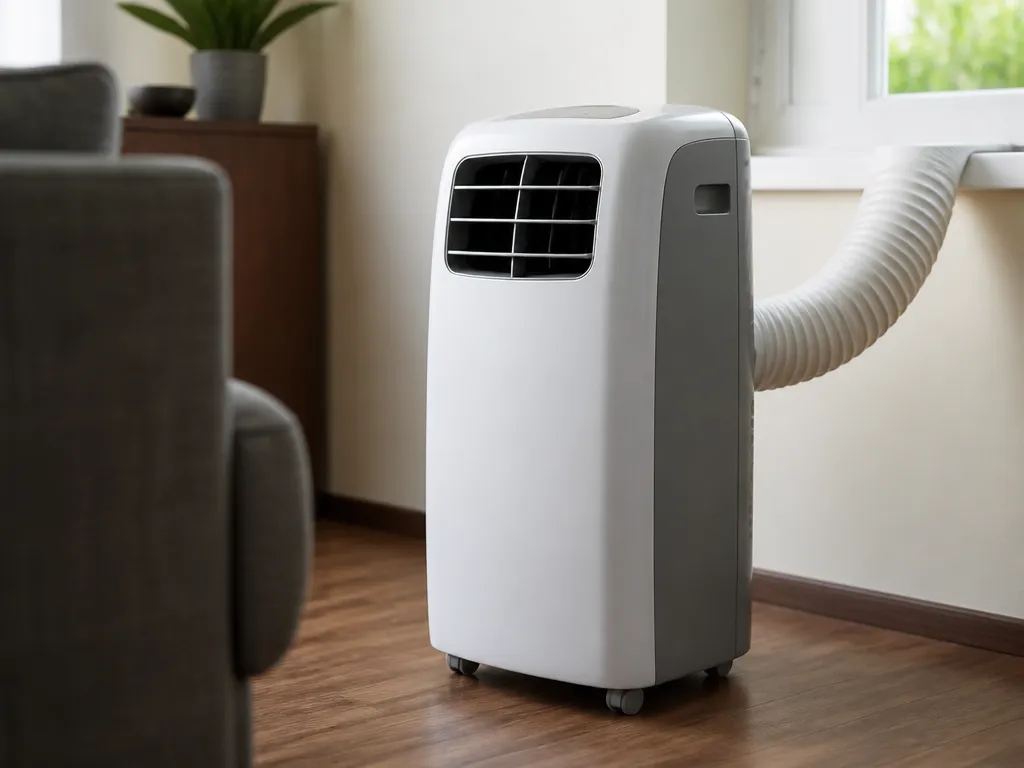
Regular maintenance reduces your portable air conditioner’s energy consumption by up to 15% and extends its lifespan from 5-7 years to 8-10 years. A clogged filter forces the unit to work harder, increasing electricity use by approximately 5-10% per week.
Weekly Filter Cleaning Routine
Cleaning the filter weekly takes just 5 minutes but prevents significant efficiency loss. Remove the filter, rinse with lukewarm water (never use hot water), and let it air dry completely before reinstalling.
Seasonal Drainage And Storage Tips
Proper seasonal maintenance prevents mold growth and ensures optimal performance when you need cooling again next year. Always drain the water tank completely and allow the unit to dry for 24 hours before storage.
| Task | Timing | Time Required | Impact |
|---|---|---|---|
| Complete drainage | End of season | 15 minutes | Prevents mold growth |
| Coil cleaning | Annually | 30 minutes | Improves efficiency by 10% |
| Storage bag | End of season | 5 minutes | Prevents dust accumulation |
Professional seasonal maintenance costs $80-120, but DIY saves 90% of that cost while preventing the efficiency loss that can add $50-80 to your annual cooling expenses.
Pro tip: Store your portable air conditioner in a dry, temperature-controlled space. Never store it in a damp basement or garage where humidity can damage internal components.
Troubleshooting Common Cooling Problems
Clogged filters and poor venting are the primary causes of energy spikes in portable ACs. These issues force the compressor to run longer cycles, which often increases daily electricity costs by 20% to 50%.
Airflow And Compressor Strain
Poor airflow forces the compressor to run at maximum wattage for longer periods. This prevents the unit from reaching the thermostat set point and stops it from entering energy-saving mode.
Drainage And System Errors
Water management issues often trigger safety shutdowns or reduce cooling efficiency. When a unit struggles with condensate, it may display error codes or leak onto the floor. A “P1” or “FL” error code usually indicates a full tank. Clearing this requires draining the unit via the bottom plug.
| Problem | DIY Repair Cost | Pro Repair Cost | Impact on Energy |
|---|---|---|---|
| Filter Replacement | $10 – $30 | $75 – $125 | Moderate Increase |
| Coil Cleaning | $0 – $20 | $100 – $200 | High Increase |
| Sensor Repair | $20 – $50 | $150 – $300 | Extreme Increase |
Pro tip: Use a vacuum with a brush attachment on the back coils every 30 days. This simple step can reduce your monthly cooling bill by 10% to 15%.
ALWAYS unplug the unit before removing panels or touching internal electrical components to avoid shock.
Tips For Reducing Cooling Costs
Running a portable air conditioner can cost $0.50 to $1.50 per day depending on its BTU rating and electricity rates in your area. Implementing smart cooling strategies can significantly reduce these costs while maintaining comfort levels.
Using Fans To Circulate Air
Ceiling fans and portable fans can make a room feel 4-7 degrees cooler without lowering the actual temperature. This allows you to set your air conditioner at a higher temperature while maintaining comfort levels.
| Fan Type | Power Consumption | Cost to Run (8 hrs/day) | Cooling Effect |
|---|---|---|---|
| Ceiling Fan | 15-75 watts | $0.03-$0.15 | 4-7°F perceived cooling |
| Box Fan | 20-100 watts | $0.04-$0.20 | Direct cooling in path of airflow |
| Tower Fan | 25-60 watts | $0.05-$0.12 | 3-5°F perceived cooling |
Managing Heat Gain With Window Treatments
Windows account for approximately 25-30% of unwanted heat gain in homes during summer. Proper window treatments can block 40-60% of this heat before it enters your living space.
Pro tip: Exterior window awnings can reduce solar heat gain by up to 65% on south-facing windows and 77% on west-facing windows, making them more effective than interior treatments.
Quick Summary
Portable air conditioners typically draw between 700 and 1,500 watts of power, which results in a monthly electricity cost increase of $30 to $70 for most households. A standard 8,000 BTU unit consumes roughly 900 watts during operation, while larger 14,000 BTU models can reach 1,500 watts. Hourly costs generally fall between $0.11 and $0.23 depending on your local utility rates. These units cycle on and off based on your thermostat settings, meaning your actual consumption fluctuates significantly depending on the ambient temperature and the quality of your room insulation.
To improve efficiency, you should keep exhaust hoses as short and straight as possible to reduce back pressure on the internal fan. You can also reduce energy consumption by 15 to 30 percent by utilizing smart timers and higher thermostat set points. Always inspect power cords for heat damage or fraying, and avoid using extension cords that are not rated for heavy appliance loads. If your unit is over 10 years old, it likely draws 20 percent more power than modern models, often making replacement a more cost effective choice than frequent repairs.
| Category | Details |
|---|---|
| Maintenance Tasks | Clean filters monthly, clear exhaust hose quarterly, inspect power cord annually. |
| Repair vs Replace | Replace if repair costs exceed 50 percent of a new unit price or if unit is 10+ years old. |
| Energy Savings | Use timers and higher set points to save 15 to 30 percent on monthly cooling costs. |
| Safety Checklist | No non-rated extension cords, check for frayed wires, ensure clear exhaust path, verify grounded outlet. |
| Estimated Costs | New unit: $300 to $600; Repair: $100 to $250; Annual Maintenance: $20 to $30 (DIY materials). |
Frequently Asked Questions
How Much Does It Cost To Run A Portable Air Conditioner?
A standard portable AC unit uses between 700 and 1,500 watts. If you run it for 8 hours a day, you can expect to pay between $0.88 and $2.76 per day depending on your local electricity rates.
How Long Do Portable Air Conditioners Last?
You can expect a portable air conditioner to last about 5 to 10 years if you perform regular maintenance.
Is It Worth Repairing A Portable Ac?
If the repair bill exceeds 50 percent of the cost of a new unit or the compressor has failed, you should typically replace the unit because the cost of parts and labor outweighs buying a new one.
Can I Install A Portable Ac Myself?
Yes, you can install the unit yourself, but you must vent the hot air outside through a window and ensure the exhaust hose fits tightly to prevent cool air from escaping.
What Maintenance Does A Portable Ac Need?
You need to clean or replace the air filters weekly and empty the condensation bucket daily during humid weather to prevent mold and clogs.