Waking up with a scratchy throat or noticing dust settling on your furniture is frustrating, and it is common to wonder if you need to scrub the air or just add some moisture to it. Choosing between an air purifier and a humidifier often comes down to identifying whether your discomfort stems from airborne particles or low humidity levels. Getting this wrong leads to wasted money on appliances that do not solve your specific household problem.
Air purifiers remove physical contaminants like dust, pollen, and smoke using internal filters, while humidifiers add water vapor to the air to combat dryness. An air purifier typically costs between 100 and 500 dollars with a 5 to 7 year lifespan, whereas humidifiers often run 40 to 200 dollars and require cleaning every 3 days to prevent mold.
Air Purifier Vs Humidifier Differences Explained
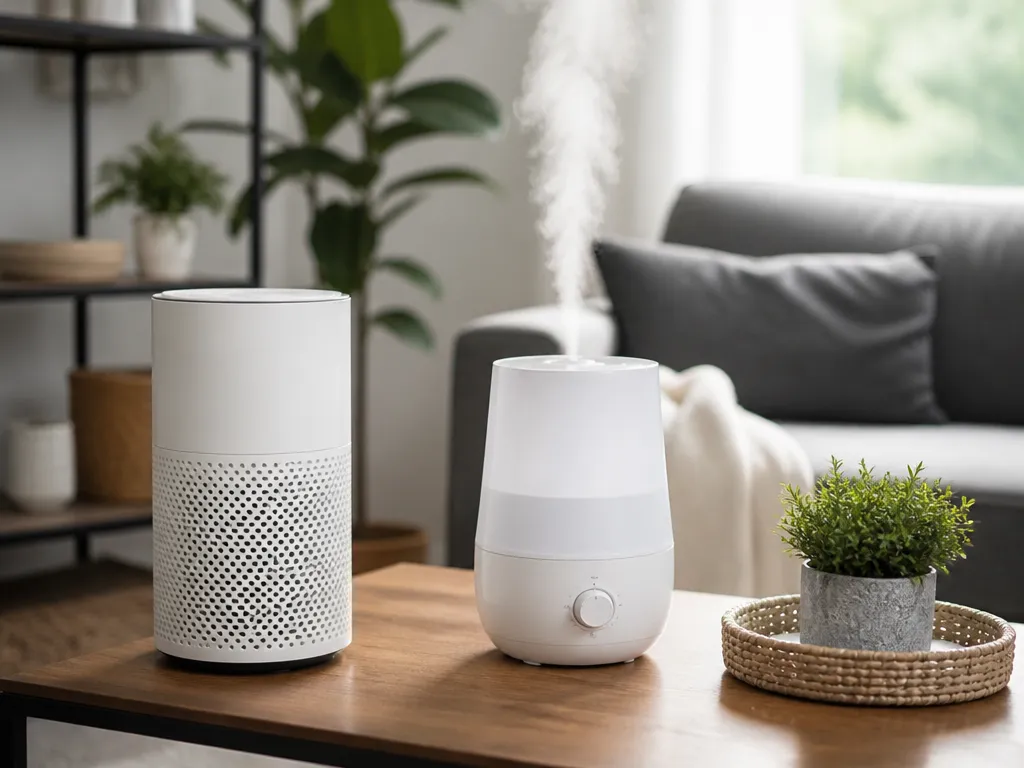
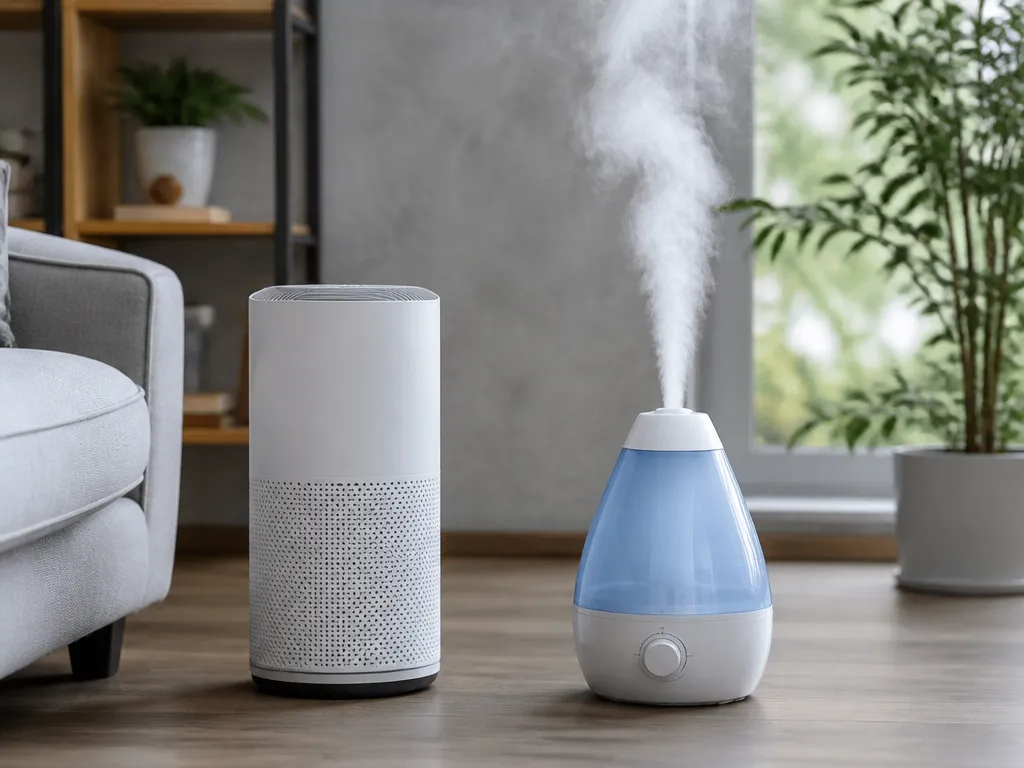
Air purifiers remove physical particles from the air, while humidifiers add water vapor to the environment to increase indoor humidity levels. These devices serve opposing purposes, meaning one addresses contamination while the other addresses dryness.
Homeowners often confuse these tools because both operate as standalone units that sit on a floor or table. Confusion arises when symptoms like throat irritation or congestion occur, as these can stem from either poor air quality or excessively dry air.
Identifying Your Needs
Your specific physical symptoms act as the primary guide for choosing the right equipment. If you wake up with dry skin, chapped lips, or a scratchy throat, your home likely suffers from low humidity, which a humidifier corrects. If you struggle with sneezing, itchy eyes, or asthma triggers, your home likely contains airborne irritants, which an air purifier captures.
Pro tip: Use a hygrometer to measure your home humidity before buying a humidifier. You only need to add moisture if your indoor levels drop below 30 percent, as keeping levels too high encourages mold growth.
Common Misconceptions
Many shoppers assume that because an air purifier cleans the air, it also removes allergens that are already settled on surfaces. Purifiers only process the air that passes through their internal filters, leaving dust on your furniture untouched. Conversely, many users believe that humidifiers clean the air by weighing down dust particles. While moisture can make particles heavier, a humidifier is not a substitute for a filtration system and will not remove pollutants from your living space.
| Feature | Air Purifier | Humidifier |
|---|---|---|
| Primary Goal | Remove particles | Add moisture |
| Key Component | HEPA/Carbon Filter | Water tank/Wick |
| Maintenance | Filter change (3-6 mo) | Cleaning/Descaling (Weekly) |
| Typical Cost | $100 – $500 | $40 – $200 |
How Purifiers And Humidifiers Work
Air purifiers physically extract particulates from the air using mechanical filters or electronic charges, while humidifiers increase the concentration of water vapor in the air through physical evaporation or vibration. These two devices manipulate indoor environmental conditions in fundamentally different ways, meaning one cannot replace the function of the other.
Hepa Filtration Mechanics
Mechanical air purifiers rely on High-Efficiency Particulate Air (HEPA) filters to trap microscopic contaminants. A fan pulls air through a dense mesh of randomly arranged fibers, which capture particles via diffusion, interception, and impaction. Standard HEPA filters are rated to capture at least 99.97 percent of particles that are 0.3 microns in size, such as dust, pollen, and pet dander.
Pro tip: Replace your HEPA filter every 6 to 12 months, depending on air quality and usage, to maintain airflow efficiency and prevent the fan motor from burning out due to excessive resistance.
For example, if you struggle with seasonal allergies, the HEPA filter acts as a physical barrier that prevents allergens from recirculating in your living space. These devices do not remove odors or volatile organic compounds unless they include a separate activated carbon layer. Operating a standard air purifier typically costs between $50 and $150 per year in electricity, depending on the fan speed and local utility rates.
Evaporative Vs Ultrasonic Moisture Systems
Humidifiers function by introducing water into the air, but the methods of dispersion differ significantly in maintenance and safety. Evaporative models use a wick or filter that absorbs water, and a fan blows air across the surface to encourage evaporation, which leaves mineral deposits trapped in the filter. Ultrasonic models use a metal diaphragm vibrating at high frequencies to create a fine mist, which can disperse minerals from the water directly into the air as white dust.
In practice, ultrasonic units are quieter and consume less electricity, but they require distilled water to avoid spreading mineral buildup across your room. Evaporative units require periodic filter replacements, which cost roughly $15 to $30 per filter, and they must be cleaned weekly to prevent mold or bacterial growth. Always unplug your humidifier before filling the tank or performing any cleaning to avoid shock hazards.
| Feature | Air Purifier | Humidifier |
|---|---|---|
| Primary Goal | Remove particulates | Increase humidity |
| Core Tech | HEPA / Carbon filters | Evaporative / Ultrasonic |
| Maintenance | Filter replacement | Daily/weekly cleaning |
| Avg Lifespan | 5 to 7 years | 3 to 5 years |
Key Buying Factors For Better Air
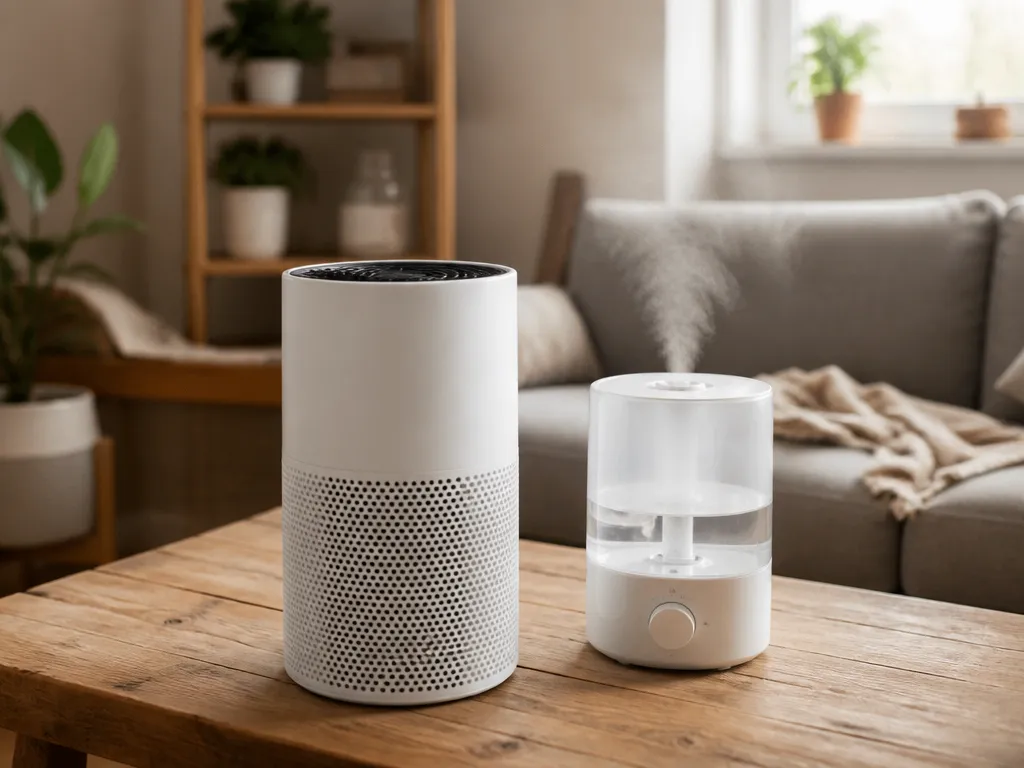
Clean Air Delivery Rate (CADR) determines the effectiveness of an air purifier by measuring how many cubic feet of air it cleans of dust, pollen, and smoke per minute. Humidifier capacity is measured by the total output in gallons of water released into the room over a 24-hour period.
Matching the appliance to your room size is the most critical step to avoid wasting money on underpowered units. A purifier with a low CADR in a large room will never cycle enough air to reduce allergens, while a small humidifier in a large space will fail to raise the relative humidity above 30 percent.
| Factor | Air Purifier Metric | Humidifier Metric |
|---|---|---|
| Primary Rating | CADR (Smoke/Dust/Pollen) | Output (Gallons per Day) |
| Sizing Rule | 2/3 of room square footage | Total cubic footage of the space |
| Energy Impact | High (runs 24/7) | Moderate (cycles on/off) |
Marketing fluff often obscures the actual performance of these machines. Manufacturers frequently advertise “room coverage” based on unrealistic air exchange rates, such as cleaning the air only twice per hour. For allergy sufferers, look for a unit that provides at least four to five air exchanges per hour for the intended square footage.
Pro tip: Always check the Energy Star rating for purifiers to ensure efficiency. An Energy Star-certified air purifier is roughly 40% more efficient than standard models, which can save you $30-50 annually in electricity costs.
Maintenance requirements directly impact the lifespan of your investment. Air purifiers typically last 5 to 7 years, while humidifiers usually last 3 to 5 years due to the wear and tear of mineral buildup and constant moisture exposure.
Setup Guide For Your Home
Optimal device placement requires a minimum of three feet of clearance from walls, furniture, and curtains to ensure unobstructed airflow. Positioning your units in the center of the room or away from corners prevents the internal sensors from providing inaccurate readings.
Pro tip: Use distilled water in your humidifier to prevent the release of white mineral dust. This simple step protects your electronics from conductive buildup and saves your air purifier from catching unnecessary debris.
For instance, placing an air purifier in a narrow hallway often results in the unit recirculating the same small pocket of air. This setup creates a false sense of clean air while the rest of the house remains untreated. Moving the device to an open living area maximizes the clean air delivery rate, commonly measured in cubic feet per minute.
Safety remains the priority when managing these appliances. Always unplug your device before moving it or refilling the water tank to avoid electrical hazards. Keep power cords tucked away from high-traffic areas to prevent tripping, and inspect the plug for any signs of heat damage or discoloration during every monthly cleaning cycle.
Maintenance Schedules For Peak Performance
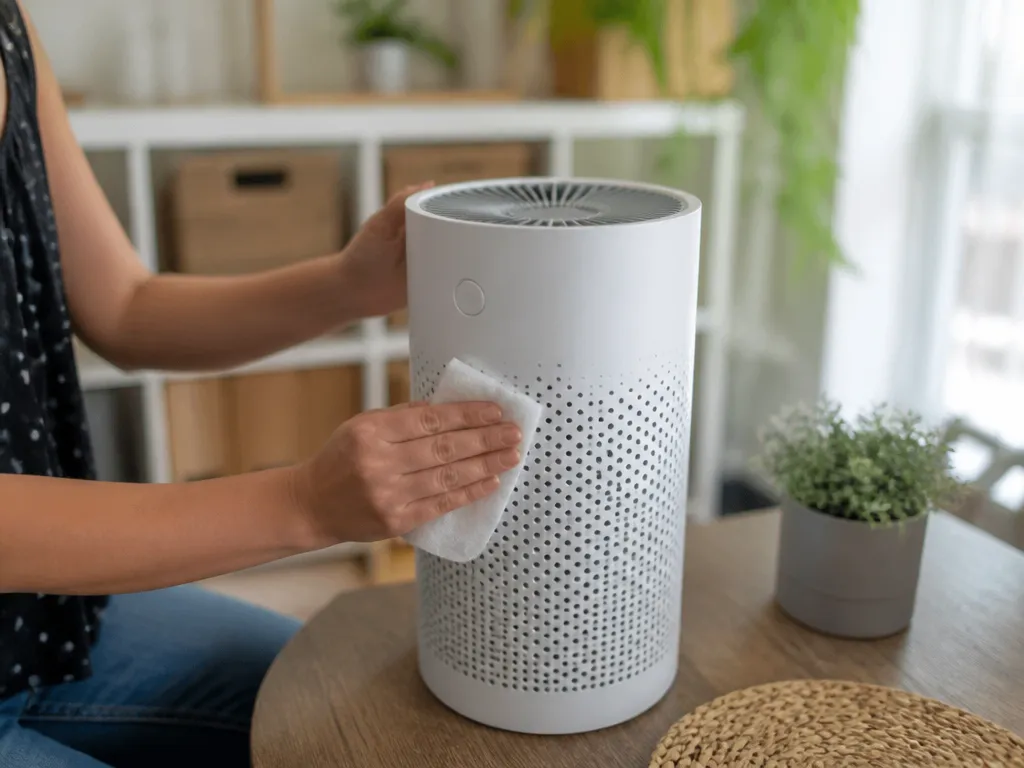
Air purifiers and humidifiers require distinct cleaning regimens to prevent mechanical failure and biological contamination. While air purifiers focus on removing particulate matter from filters, humidifiers require constant attention to prevent mineral buildup and mold growth in water reservoirs.
Humidifier Sanitation And Care
Water reservoirs in humidifiers act as breeding grounds for bacteria if they are not cleaned regularly. Stagnant water and moisture create an ideal environment for mold, which the machine can then spray directly into your living space.
Daily tasks involve emptying any leftover water and rinsing the tank to prevent biofilm from forming. For ultrasonic models, using distilled water can reduce the frequency of deep cleaning by preventing white mineral dust from coating the internal components.
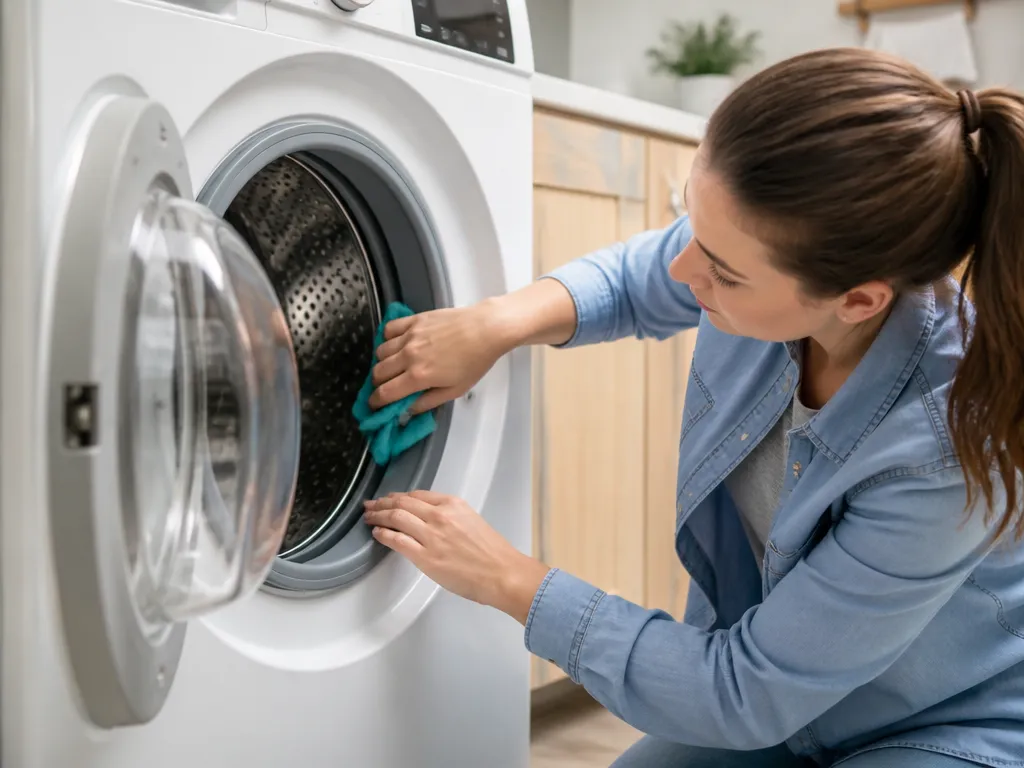
Weekly cleaning should involve a more thorough scrub with mild soap or a diluted vinegar solution. Always unplug the unit before cleaning any part that comes into contact with water to avoid electrical shock.
Pro tip: Use a teaspoon of white vinegar to descale ultrasonic humidifiers; this prevents calcium buildup that can cause the motor to work harder and decrease the unit’s lifespan.
| Task | Frequency | Estimated Time |
|---|---|---|
| Empty and rinse water tank | Daily | 5 minutes |
| Deep clean with vinegar/soap | Weekly | 15-20 minutes |
| Replace wick or filter | 1-3 months | 10 minutes |
Air Purifier Filter Management
Air purifiers rely on airflow to function, and clogged filters are the primary cause of reduced CADR (Clean Air Delivery Rate) and motor strain. A dirty HEPA filter forces the fan to run at higher speeds to pull air through, which increases energy consumption and shortens the motor’s life.
Pre-filters capture large dust bunnies and pet hair and can usually be vacuumed or washed every two to four weeks. This simple step extends the life of the expensive HEPA filter by preventing it from becoming prematurely overwhelmed by large debris.
HEPA and carbon filters must be replaced according to the manufacturer’s schedule, typically every 6 to 12 months. Replacing a $50 filter on time is much cheaper than a $200 professional repair for a burnt-out motor.
In practice, living in a high-pollen area or owning multiple pets may require you to double the frequency of filter changes. If you notice a musty smell or a significant drop in fan power, your filters likely need immediate attention.
Troubleshooting Common Appliance Problems
Mechanical noise and reduced airflow usually stem from preventable issues like debris buildup, aging bearings, or improper surface placement. Addressing these symptoms early prevents permanent motor damage and restores your indoor comfort levels.
Noisy Operation And Vibration Fixes
Vibration often originates from an uneven floor surface rather than an internal mechanical failure. Placing your device on a flat, solid surface like a hardwood floor or a heavy furniture piece typically eliminates rattling sounds immediately.
Fan blades accumulate dust over time, which throws the internal assembly out of balance and creates a humming or ticking noise. If you suspect an unbalanced fan, unplug the unit and inspect the blades for heavy dust clumps or foreign objects lodged in the housing.
Pro tip: If your unit makes a grinding or high-pitched squealing sound, the motor bearings are likely failing. Professional repair for motor replacement costs $150-300, while DIY parts for basic models range from $20-50, though opening the motor housing often voids your manufacturer warranty.
Mineral Buildup And Airflow Blockages
Mineral deposits from hard water are the primary cause of failure for evaporative humidifiers. These white, crusty deposits clog wicks and coat internal sensors, which leads to inaccurate humidity readings and reduced moisture output.
Air purifiers suffer when HEPA filters reach full saturation. A clogged filter forces the motor to work harder, increasing energy consumption and potentially causing the unit to shut down as a safety precaution against overheating.
| Issue | Likely Cause | Recommended Fix |
|---|---|---|
| Excessive Noise | Unbalanced fan or uneven surface | Level the unit or clean fan blades |
| Reduced Output | Clogged filter or mineral scale | Replace filter or descale water basin |
| Musty Odors | Mold growth in tank or filter | Sanitize reservoir and replace filter |
Always unplug the unit before performing any maintenance or troubleshooting. Never submerge the motor housing or electrical components in water, as this creates a significant shock hazard and will destroy the electronics permanently.
Energy Efficiency And Cost Savings
Operating an air purifier typically costs between $10 and $50 per year in electricity, while a humidifier can range from $20 to $100 depending on the heating technology used. The primary driver of these costs is the internal fan for air purifiers and the evaporation or heating element found in humidifiers.
Energy consumption remains low for both devices when used in appropriately sized rooms. Selecting an Energy Star certified model can reduce energy consumption by 10 to 50 percent compared to standard units. Always check the wattage on the nameplate, as high-output humidifiers often pull significantly more power during initial cycles.
| Feature | Air Purifier | Humidifier |
|---|---|---|
| Avg. Annual Power Cost | $10 – $45 | $20 – $110 |
| Primary Power Draw | Fan motor | Heating/Ultrasonic element |
| Filter/Wick Replacement | $40 – $120/year | $15 – $40/year |
| Estimated Lifespan | 5 – 7 years | 3 – 5 years |
Reducing Long-term Expenses
Filter replacement schedules impact your long-term budget more than electricity usage. Air purifiers require HEPA filter changes every 6 to 12 months to maintain airflow, while humidifiers require wick replacements or cleaning every 1 to 3 months to prevent mold and mineral buildup.
For instance, buying bulk filter packs during seasonal sales can save 20 percent on annual maintenance costs. Avoid generic filters that lack proper seals, as they often force the motor to work harder, which increases electricity consumption and shortens the life of the unit.
Pro tip: Use distilled water in your humidifier to prevent mineral dust buildup on surfaces, which saves you from needing to buy expensive cleaning chemicals or replacing internal components due to hard water damage.
Always unplug your device before performing any maintenance or filter changes. While DIY cleaning is standard, attempting to repair internal electrical components, such as a burnt-out motor or heating element, often voids your manufacturer warranty and poses a fire risk.
If you notice an appliance drawing excessive power or making unusual grinding noises, the cost of a professional repair typically falls between $80 and $150. Compare this to the replacement cost, as fixing an older, inefficient unit rarely provides long-term value compared to upgrading to a modern, energy-efficient model.
Quick Summary
Choosing between an air purifier and a humidifier depends entirely on your specific symptoms, as these devices serve fundamentally different purposes. Air purifiers use HEPA filters to extract physical particulates like dust, pollen, and pet dander from the air, costing between 100 and 500 dollars with a 5 to 7 year lifespan. In contrast, humidifiers add water vapor to combat dryness, which is ideal if you experience nosebleeds or cracked skin. These units are more affordable, typically costing 40 to 200 dollars, but they require diligent maintenance to prevent the growth of mold and bacteria within the water tank.
Effective operation requires consistent upkeep, such as replacing air purifier filters every 6 to 12 months and descaling humidifier tanks with white vinegar weekly. To save energy, monitor your home environment with a hygrometer and only run a humidifier when indoor levels drop below 30 percent. Always prioritize purchasing separate, dedicated units, as this approach ensures better performance, easier maintenance, and a longer overall lifespan for your home air quality equipment.
| Feature | Air Purifier | Humidifier |
|---|---|---|
| Primary Goal | Remove particles | Add moisture |
| Key Component | HEPA/Carbon Filter | Water tank/Wick |
| Maintenance | Filter change (6-12 mo) | Cleaning (Weekly) |
| Typical Cost | $100 – $500 | $40 – $200 |
Frequently Asked Questions
How Long Should An Air Purifier Or Humidifier Last Before I Need To Replace It?
Most quality air purifiers have a typical lifespan of 5 to 7 years, while humidifiers last 3 to 5 years, provided you perform regular maintenance. If the motor becomes excessively loud or the internal components show significant mineral buildup that cleaning cannot fix, it is usually time to upgrade.
Is It Worth Repairing These Appliances Or Should I Just Buy A New One?
For most mid-range models, repairs are rarely cost-effective because labor fees often exceed the price of a new unit. Unless you are dealing with a simple fix like a blown fuse or a clogged filter, you are better off putting that money toward a new unit with a fresh warranty.
How Much Does It Cost To Run An Air Purifier Or Humidifier Per Month?
Energy consumption is quite low for both, typically costing between $2 and $8 per month depending on your local electricity rates and how many hours you run them. The biggest recurring cost is actually filter replacements for purifiers or descaling solutions for humidifiers, which can add up to $50 or more annually.
What Maintenance Should I Be Doing That I Am Probably Ignoring?
You are likely neglecting the pre-filter on your air purifier, which should be vacuumed every month to extend the life of the expensive HEPA filter. For humidifiers, you must empty and dry the tank daily to prevent mold growth, and perform a deep vinegar soak at least twice a month to prevent mineral scale buildup.
Can I Install These Myself Or Do I Need A Professional?
These are strictly plug-and-play appliances, so you can absolutely set them up yourself without any professional help. Just ensure you place them on a flat, level surface with at least 3 feet of clearance from walls and furniture to allow for proper airflow and prevent moisture damage to your home surfaces.