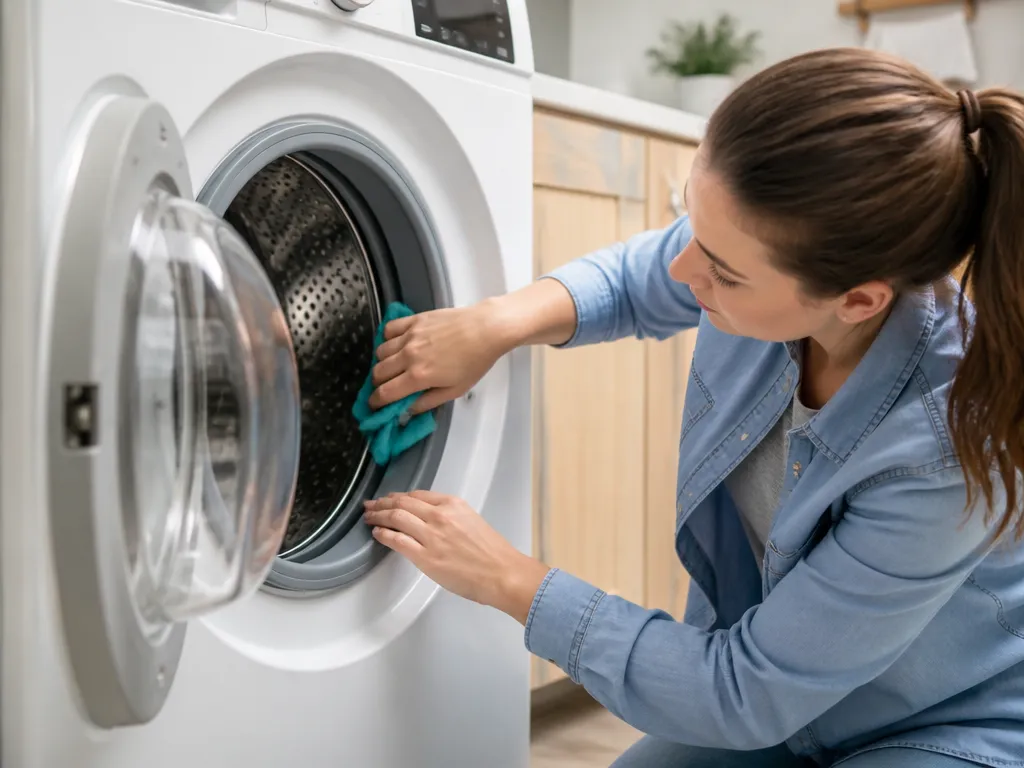
Musty odors and black mold spots inside your front load washing machine are common signs that your appliance needs a deep clean. These machines rely on a tight rubber seal to prevent leaks, but that same seal traps moisture and soap scum that quickly turn into a breeding ground for mildew. Regular maintenance prevents these smells from transferring to your clothes and saves you from costly service calls to replace damaged gaskets or pumps.
Front load washer cleaning involves a monthly routine of wiping the door gasket with a 50/50 vinegar and water solution, soaking the detergent tray, and running a tub clean cycle with a dedicated cleaner. Expect to spend 20 minutes on this task to extend your machine’s 10 to 13 year lifespan.
How To Clean A Front Load Washing Machine? Why It Matters
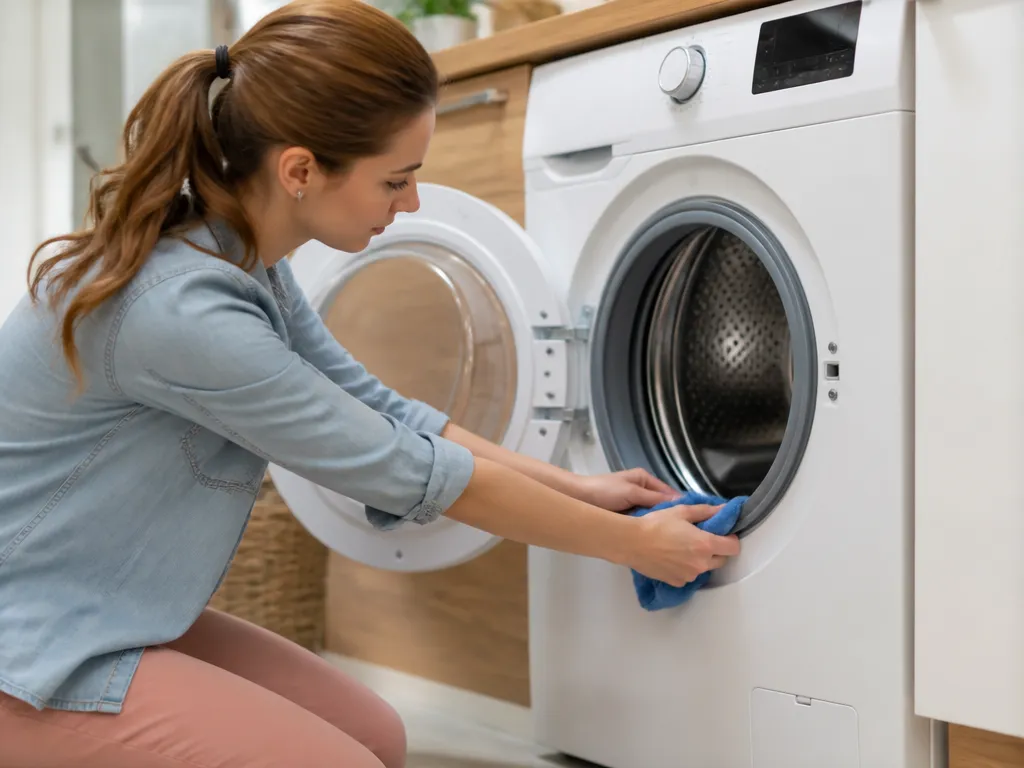
Regular maintenance of a front load washing machine prevents the accumulation of mold, mildew, and biofilm that thrives in dark, damp environments. Neglecting this routine leads to persistent musty odors that transfer onto clean clothing and degrade the rubber door seals over time.
Mold spores trapped within the gasket or detergent drawer can circulate into your home air supply during the drying cycle. This creates a risk for individuals with respiratory sensitivities or allergies. Keeping the drum and seals sanitized ensures that your laundry remains fresh and your indoor air quality stays healthy.
Pro tip: Leave the washer door and detergent drawer slightly ajar after every load to allow airflow, which reduces mold growth by 80% and extends the life of your door gasket.
Financial savings represent a major benefit of consistent cleaning schedules. A new front load gasket costs between $80 and $150 for the part alone, plus labor fees if you hire a professional. Replacing a pump damaged by debris buildup can easily exceed $200 in repair costs. Routine care keeps these components functional for the expected 10 to 13 year lifespan of the machine.
Maintenance Frequency And Impact
| Task | Frequency | Benefit |
|---|---|---|
| Wipe door gasket | After every load | Prevents mold buildup |
| Clean detergent drawer | Monthly | Stops slime and odors |
| Clear drain pump filter | Every 3 months | Protects pump from failure |
| Run cleaning cycle | Monthly | Sanitizes internal surfaces |
Repair costs for neglected machines often stem from hardened soap scum and mineral deposits that restrict water flow. These deposits force the pump to work harder, increasing energy consumption and potentially triggering premature motor failure. Spending 20 minutes each month on basic hygiene saves you hundreds of dollars in unnecessary service calls or early appliance replacement.
How Front Load Washers Function
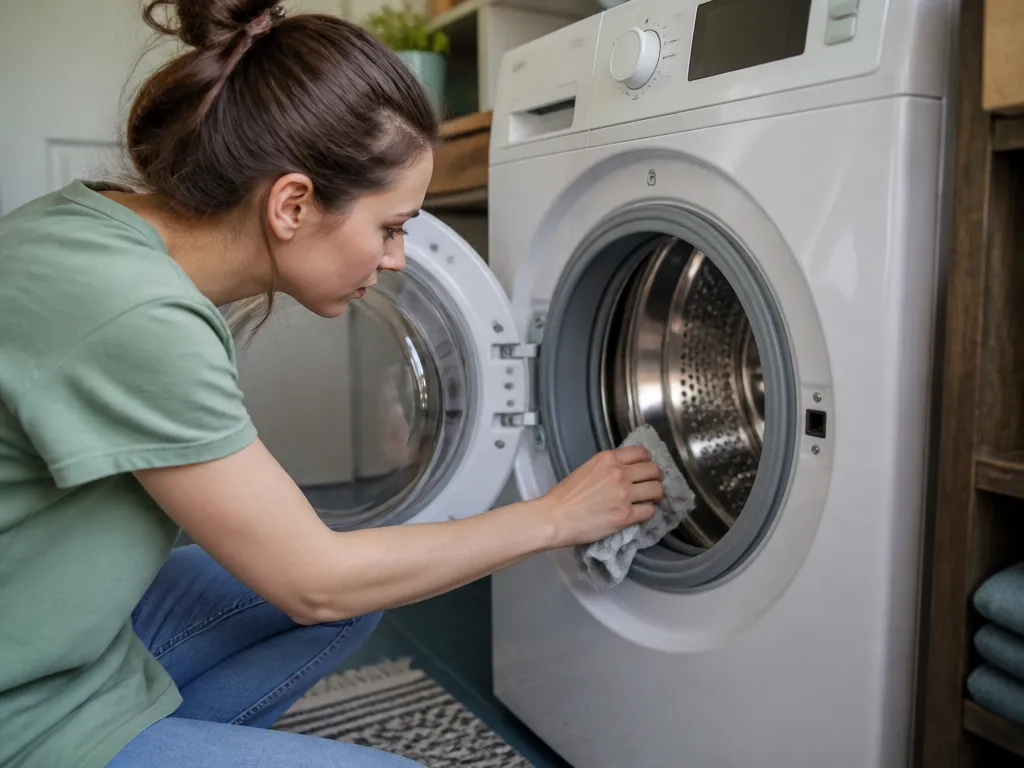
Front load washing machines use gravity and tumbling motions to clean clothes rather than the high-speed agitation seen in top loaders. Water enters the drum and flows through the laundry, while a heavy rubber seal maintains a watertight connection between the rotating drum and the stationary outer tub.
The rubber bellows, or gasket, creates the primary seal around the door opening. Because this seal stays damp and is often tucked into folds, it becomes a primary site for moisture and soap residue to collect. This environment encourages the growth of mold and mildew if the door remains closed after a cycle.
Key Components And Debris Collection
The drum rotates within an outer tub to keep water contained during the wash. Small particles of lint, hair, and undissolved detergent often escape the drum and settle in the lower areas of the machine. These materials eventually migrate toward the drainage system.
The drain pump filter acts as a final defense to prevent large objects from damaging the pump motor. This filter catches coins, buttons, hair ties, and heavy lint buildup. If this component clogs, your machine may fail to drain properly or show error codes on the display.
Pro tip: Leave the washer door cracked open between uses to allow the gasket and drum to dry. This simple habit can extend the life of your seals and prevent musty odors.
Understanding where debris settles helps you target your cleaning efforts. Maintaining these parts can prevent expensive repairs. A clogged pump filter is a common DIY fix, but a failed motor or damaged tub seal often requires a professional technician.
| Component | Primary Function | Maintenance Frequency | Typical Repair Cost (Pro) |
|---|---|---|---|
| Rubber Bellows | Watertight door seal | Every 2-4 weeks | $150 – $300 |
| Detergent Drawer | Dispenses soap/softener | Monthly | $50 – $150 |
| Drain Pump Filter | Traps large debris | Every 1-3 months | $100 – $250 |
ALWAYS unplug the washing machine before attempting to access the drain pump filter or any internal electrical components. While cleaning the filter is usually safe, working near the motor or wiring carries a risk of electrical shock. DIY cleaning of filters is a great way to save money, as professional service calls typically start at $150.
Essential Features To Look For
Manufacturers now offer specific design elements that prevent mold and mildew buildup, significantly reducing the manual labor required to keep a machine sanitary. Prioritizing models with integrated antimicrobial protection and removable components saves an average of 30 minutes of cleaning time per month.
Sanitation And Accessibility Features
Self-cleaning cycles utilize high-temperature water and internal drum agitation to flush out biofilm and detergent residue that standard cycles leave behind. Look for machines with a dedicated tub clean function, which often operates at temperatures above 140 degrees Fahrenheit to kill odor-causing bacteria.
Pro tip: Select a machine with a magnetic or clip-based door prop. Leaving the door slightly ajar between cycles allows airflow to dry the drum, preventing the moisture accumulation that fuels mold growth.
Comparison Of Washer Maintenance Features
| Feature | Budget Model | Premium Model |
|---|---|---|
| Tub Clean Cycle | Manual/Basic | Automated with Steam |
| Gasket Material | Standard Rubber | Antimicrobial Treated |
| Dispenser Access | Fixed/Hard to Reach | Tool-free Removal |
| Filter Access | Internal/Professional Only | Easy-access Front Panel |
Maintenance schedules vary based on these features, but high-quality models often require less frequent deep cleaning. A standard washer requires a deep clean every 30 cycles, whereas models with antimicrobial gaskets and advanced self-clean cycles can often go 50 or more cycles between deep cleanings.
Warning: Always unplug the washing machine before attempting to remove the drain pump filter or any internal components. Failure to disconnect power poses a risk of electric shock, and unauthorized disassembly of internal parts may void your manufacturer warranty.
Step-by-step Cleaning Guide
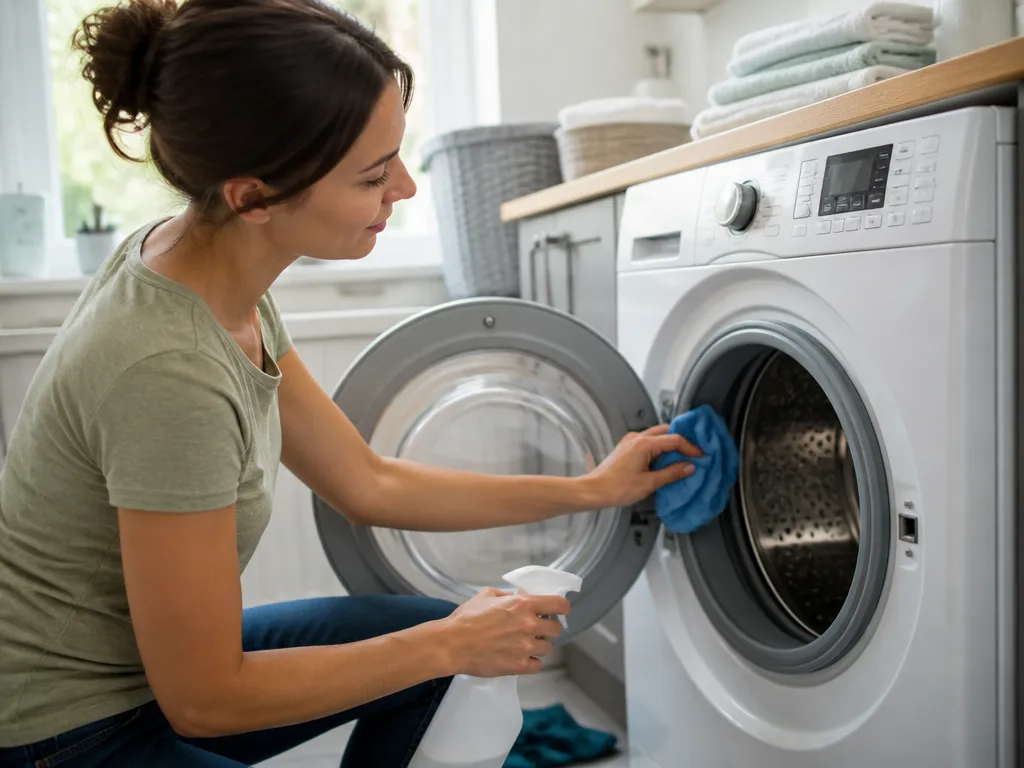
Routine sanitation of a front-loading washer prevents mold growth and eliminates the musty odors common in high-efficiency units. Proper maintenance requires attention to the rubber door seal, the detergent drawer, and the internal drum cycle.
Pro tip: Leave the washer door and detergent drawer open between every load of laundry. This simple habit allows airflow to evaporate residual water, which is the single most effective way to stop mold before it starts.
| Maintenance Task | Frequency | Estimated Time |
|---|---|---|
| Wipe door gasket | Weekly | 2 minutes |
| Clean detergent drawer | Monthly | 10 minutes |
| Run Tub Clean cycle | Monthly | 1 to 2 hours |
Neglecting these steps often leads to foul smells that transfer to your clothing. If odors persist after deep cleaning, check the drain pump filter, as trapped items in the pump housing frequently harbor stagnant water and debris.
Locating And Cleaning The Drain Filter
The drain pump filter sits behind a small access door at the bottom front corner of your washing machine. This component catches coins, hair, and lint before they clog your pump, and it requires cleaning every three to six months to prevent water drainage issues and musty odors.
Always unplug the power cord and ensure the water supply is off before opening the pump housing. Water will spill out when you remove the filter, so prepare the area with a shallow pan and several old towels to protect your flooring.
Pro tip: A clogged drain filter forces your pump to work harder, which can shorten its lifespan from the standard 10 years to as little as 5 years. Clearing this blockage regularly prevents expensive service calls that typically range from $150 to $300.
Check for leaks after you tighten the cap back into place by running a short rinse cycle. If the machine displays an error code related to drainage after this process, ensure the filter is threaded correctly and seated flush against the gasket.
| Task | Frequency | Estimated Time |
|---|---|---|
| Drain Pump Filter Cleaning | Every 3-6 Months | 15-20 Minutes |
| Drain Hose Clearing | Annually | 10 Minutes |
Be aware that DIY maintenance on pump components generally stays within warranty guidelines, but force-opening a stuck filter or damaging the threads can void your coverage. If the filter refuses to budge, do not use excessive force, as the plastic housing can crack easily.
Natural Vs Commercial Cleaning Agents
White vinegar and baking soda effectively neutralize odors and dissolve mild mineral deposits, while commercial washing machine cleaners contain concentrated surfactants designed to break down heavy biofilm and mold. Standard household items work well for routine maintenance, whereas professional-grade tablets offer a stronger chemical reaction for neglected machines with visible sludge buildup.
Natural Cleaning Solutions
White vinegar acts as a mild acid that helps break down calcium deposits and soap scum inside the drum. Baking soda provides a gentle abrasive texture that scrubs away residue and absorbs lingering musty smells without damaging the delicate rubber components of your front-load washer.
Pro tip: Never mix vinegar and bleach during any cleaning cycle, as this creates hazardous chlorine gas. Always run a rinse cycle after using vinegar to ensure no acidic residue remains in the pump housing.
Commercial Cleaning Tablets
Professional cleaning tablets contain specialized enzymes and oxygen-based bleaches that target organic buildup more aggressively than DIY mixtures. These products are formulated to be safe for internal sensors and seals, preventing the degradation that can occur if concentrated vinegar is used too frequently.
| Cleaning Agent | Best Use Case | Estimated Cost | Frequency |
|---|---|---|---|
| White Vinegar | Routine descaling | $0.50 per cycle | Monthly |
| Baking Soda | Odor elimination | $0.25 per cycle | Monthly |
| Commercial Tablets | Heavy sludge/mold | $3.00-$5.00 per tab | Quarterly |
Choose natural ingredients when your machine is generally clean and you want to maintain freshness on a budget. Switch to commercial tablets if you notice visible black mold in the gasket or if the clothes retain an odor after a wash cycle, as these products are engineered to penetrate deep into the outer tub where manual scrubbing cannot reach.
Maintenance Schedule For Odor Prevention
Front-load washing machines require a strict cleaning cadence to prevent the buildup of mold, soap scum, and bacteria in the gasket and pump. Consistent adherence to these tasks extends the lifespan of the machine, which averages 10 to 13 years with proper care.
| Task | Frequency | Estimated Time |
|---|---|---|
| Leave door and detergent drawer ajar | After every cycle | 30 seconds |
| Wipe down rubber door gasket | Weekly | 2 minutes |
| Clean detergent dispenser drawer | Monthly | 5 minutes |
| Clean drain pump filter | Quarterly | 15 minutes |
| Run a heavy-duty tub clean cycle | Quarterly | 2 hours |
Daily And Weekly Habits
Moisture is the primary enemy of a clean washer. Leaving the door and the detergent dispenser drawer slightly open after every load allows air to circulate, which dries out the interior and stops mold spores from taking hold.
Wiping the rubber door gasket weekly prevents debris and standing water from accumulating in the folds. Use a dry cloth to soak up any liquid trapped in the bottom of the seal. Skipping this step often leads to the signature musty smell associated with front-load units.
Pro tip: If your machine has a “Tub Clean” cycle, use it once a month with a specialized cleaner to prevent residue buildup. Regular maintenance reduces the likelihood of needing a professional repair, which typically costs between $150 and $300.
Quarterly Deep-cleaning Tasks
The drain pump filter sits behind a small access panel at the bottom front of the machine. Cleaning this filter quarterly is vital because it catches coins, buttons, and hair that can restrict water flow and cause bad odors. Always keep a shallow pan and towels ready, as some water will spill out when you unscrew the filter housing.
Turn off the power to the unit before performing internal maintenance to avoid any risk of electrical shock. Be aware that removing the filter or opening the machine casing for internal repairs may void your manufacturer warranty if not performed according to the owner manual guidelines.
In practice, checking the dispenser drawer once a quarter ensures that no hidden mold is growing in the back of the housing. Most drawers have a release tab that allows you to pull the entire assembly out for a thorough scrubbing in the sink. Use an old toothbrush to clear out any hardened detergent or fabric softener buildup that accumulates over time.
Quick Summary
Front load washing machines are prone to mold and mildew because the rubber door gasket traps moisture and soap scum. To prevent these odors from reaching your clothes, you should wipe the gasket monthly using a 50/50 vinegar and water solution. You must also soak the detergent drawer to remove hardened soap buildup and run a monthly tub clean cycle with a commercial tablet or two cups of vinegar. Taking these small steps helps protect your appliance and maintains healthy indoor air quality.
Proper maintenance can extend the machine’s 10 to 13 year lifespan and prevents expensive repairs.
For instance, replacing a damaged pump can cost over $200, while a new gasket alone costs between $80 and $150. You should also clear the drain pump filter every three months to prevent clogs from coins or hair. The most important habit to adopt is leaving the washer door and detergent drawer slightly ajar after every load to reduce mold growth by 80 percent.
| Task | Frequency | Purpose |
|---|---|---|
| Wipe Door Gasket | Monthly | Remove lint and standing water |
| Clean Detergent Tray | Monthly | Stop slime and odors |
| Tub Clean Cycle | Monthly | Sanitize internal surfaces |
| Clear Drain Filter | Every 3 Months | Protect pump from failure |
Frequently Asked Questions
How Often Should I Clean My Front Load Washing Machine To Prevent Mold?
You should run a cleaning cycle or wipe down the door seal at least once a month to prevent mold and mildew growth. Leaving the door slightly ajar between loads is the most effective way to allow moisture to evaporate and keep the interior dry.
What Is The Best Household Product For Cleaning A Smelly Washer?
Using 2 cups of white vinegar in the detergent dispenser followed by a hot water cycle is a standard, effective method to break down soap scum and kill bacteria. For deeper buildup, follow this with a second cycle using 1/2 cup of baking soda to neutralize lingering odors.
Why Does My Front Load Washer Have A Drain Pump Filter And How Do I Clean It?
The drain pump filter catches coins, buttons, and lint that can cause drainage issues or pump failure if left unchecked. You should locate the small access panel on the front bottom of the machine and clean this filter every 3 to 6 months to ensure your machine drains efficiently.
Is It Necessary To Use A Specialized Washing Machine Cleaner Tablet?
While commercial cleaner tablets are convenient and contain concentrated surfactants, they are not strictly required if you maintain your machine regularly with vinegar and hot water cycles. If your machine already has a strong musty smell, a commercial cleaner may be more effective than natural alternatives at removing stubborn biofilm.
What Happens If I Ignore The Maintenance On My Front Load Washing Machine?
Ignoring maintenance leads to a buildup of mold and detergent residue that can drastically shorten the lifespan of your door gasket, often resulting in leaks that cost over $200 to repair. Consistent cleaning keeps the mechanical parts free from debris, which helps your machine reach its typical 10 to 13 year expected lifespan.