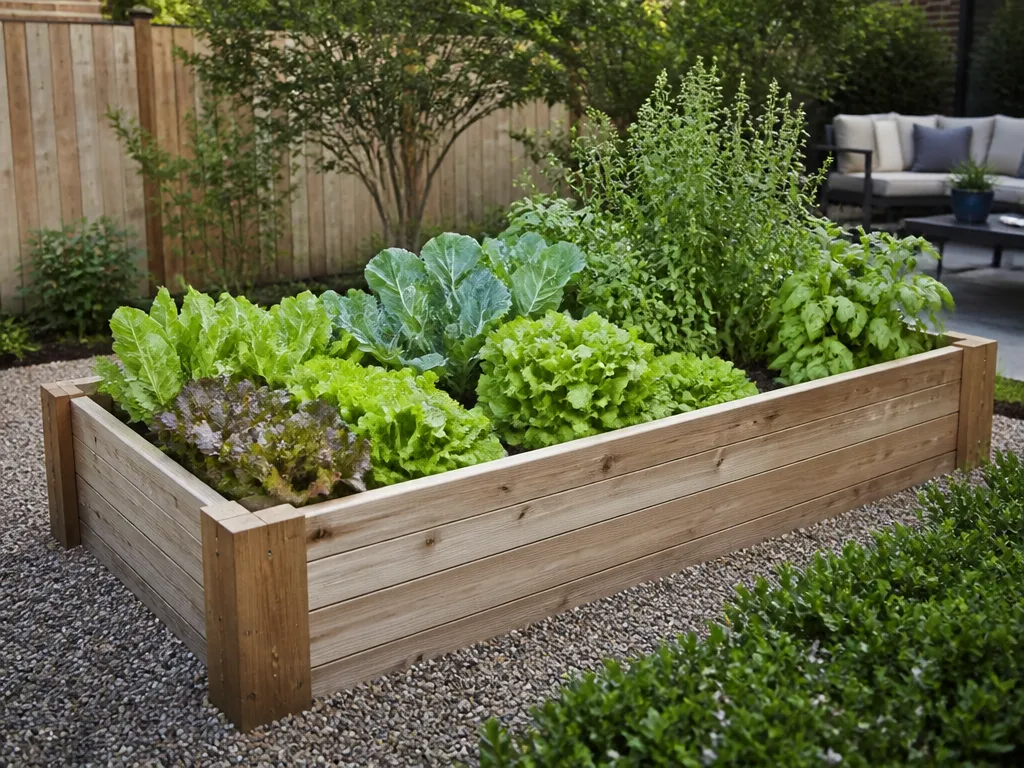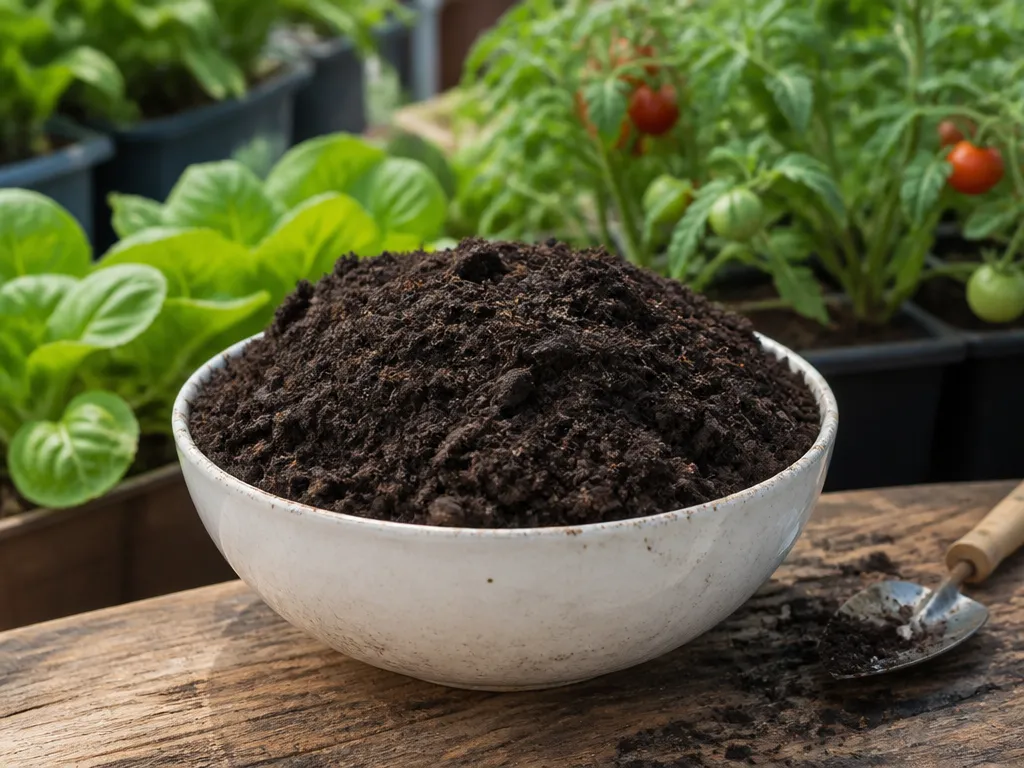
Most gardeners waste money on bags of fertilizer that just burn their roots or wash away in the first rain. You want heavy tomatoes and crisp greens without guessing games. Use these specific organic nutrients and application schedules to see a harvest increase.
The best organic fertilizer for vegetable gardens is a combination of aged compost and a balanced OMRI-listed granular mix. Use a 5-5-5 NPK ratio for general growth, but switch to high-phosphorus options like bone meal once fruiting crops begin to flower to boost yield.
Best Organic Fertilizer For Vegetable Gardens: A Master Gardener’s Guide
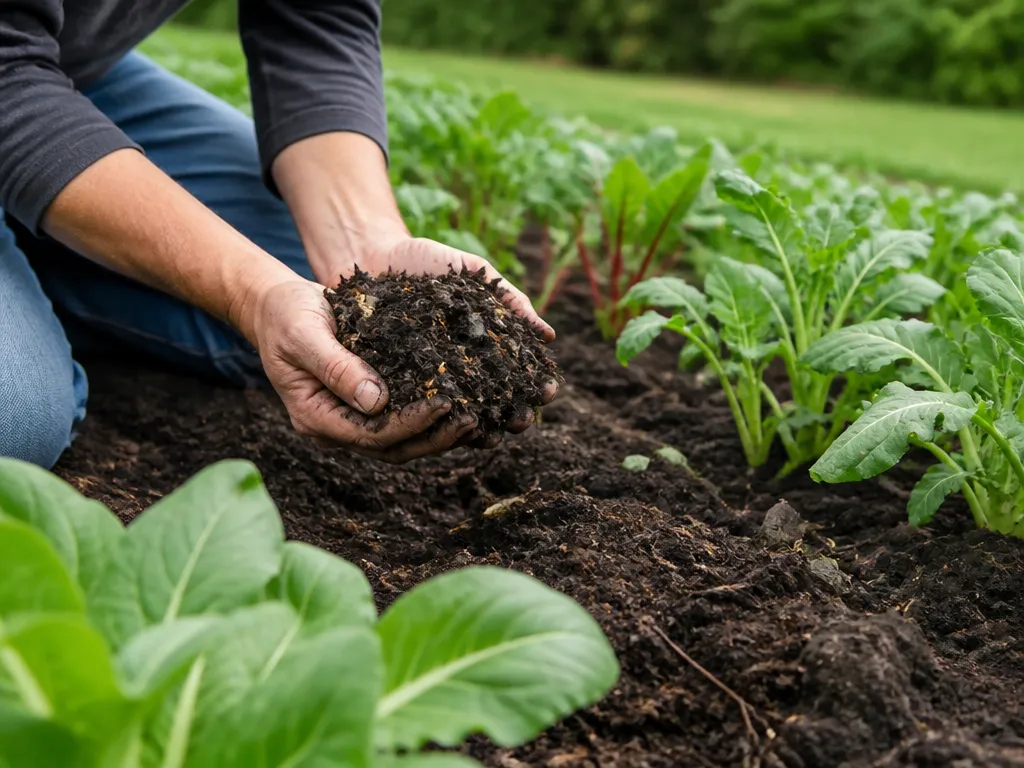
Organic soil amendments create a living environment where beneficial microbes break down complex nutrients into forms that plant roots can absorb. These materials improve soil structure, increase water retention, and supply secondary nutrients that synthetic options often ignore.
Feeding the soil is fundamentally different from feeding the plant. Synthetic fertilizers provide a quick, chemical hit of nitrogen, phosphorus, and potassium that bypasses the natural soil food web. Organic amendments build long-term fertility by encouraging earthworms and fungi, which protect your vegetables from common pathogens and environmental stress.
The Role Of Soil Biology In Vegetable Growth
Healthy garden soil behaves like a sponge. It holds onto nutrients during heavy rain and releases them slowly as plants grow. When you rely on compost, manure, or seaweed-based inputs, you feed the bacteria and mycorrhizal fungi that live around the root zone. These organisms create a protective barrier against diseases, which is why organic gardens often experience fewer pest outbreaks than those treated with salts.
Healthy soil is the foundation of every productive vegetable garden.
Soil quality varies by region, but the goal remains consistent across all USDA zones. Most vegetables thrive in a pH range of 6.0 to 6.8. If your soil pH falls outside this range, the most expensive fertilizer will remain locked in the ground and unavailable to your crops.
| Soil Condition | Management Strategy |
|---|---|
| Compacted Clay | Add aged compost and leaf mold to increase drainage. |
| Sandy/Leaching | Incorporate biochar and organic matter to hold nutrients. |
| Low Organic Matter | Apply 2 inches of compost annually to build humus. |
Successful harvests start with these foundational habits. Always test your soil every three years to determine base nutrient levels. Focus on building a crumbly, dark soil structure before worrying about specific nutrient ratios for individual plants.
Deciphering N-p-k Ratios For Vegetable Success
Fertilizer labels display three numbers representing the percentage of nitrogen, phosphorus, and potassium by weight. Nitrogen promotes lush leaf growth, phosphorus aids root development and flower production, and potassium supports overall plant health and disease resistance.
Matching these ratios to the specific growth stage of your crop prevents wasted nutrients and potential plant stress. Leafy greens like spinach or kale require higher nitrogen levels to maintain vigorous foliage, while fruiting vegetables such as tomatoes or peppers demand increased phosphorus once they begin to flower.
Selecting Nutrients By Crop Type
Vegetable gardens thrive when you align the nutrient profile with the plant’s primary output.
| Crop Category | Primary Need | Ideal N-P-K Focus |
|---|---|---|
| Leafy Greens | Nitrogen (N) | High first number (e.g., 5-1-1) |
| Root Vegetables | Phosphorus (P) | High middle number (e.g., 2-8-4) |
| Fruiting Crops | Balanced/P & K | Balanced (e.g., 4-4-4 or 4-6-3) |
For instance, blood meal is an excellent organic source of nitrogen for your lettuce in early spring. Bone meal serves as a slow-release source of phosphorus, which is best incorporated into the soil at planting time for carrots and potatoes to ensure strong tuber formation.
Wait until your plants have at least two sets of true leaves before applying any liquid organic feed to avoid damaging tender root systems.
Organic amendments often release nutrients slowly compared to synthetic alternatives. This slow release creates a stable environment for microbial life, which is essential for long-term soil health. Always water in your granular fertilizers to help the nutrients move into the root zone.
Essential Soil Testing Before Fertilizing
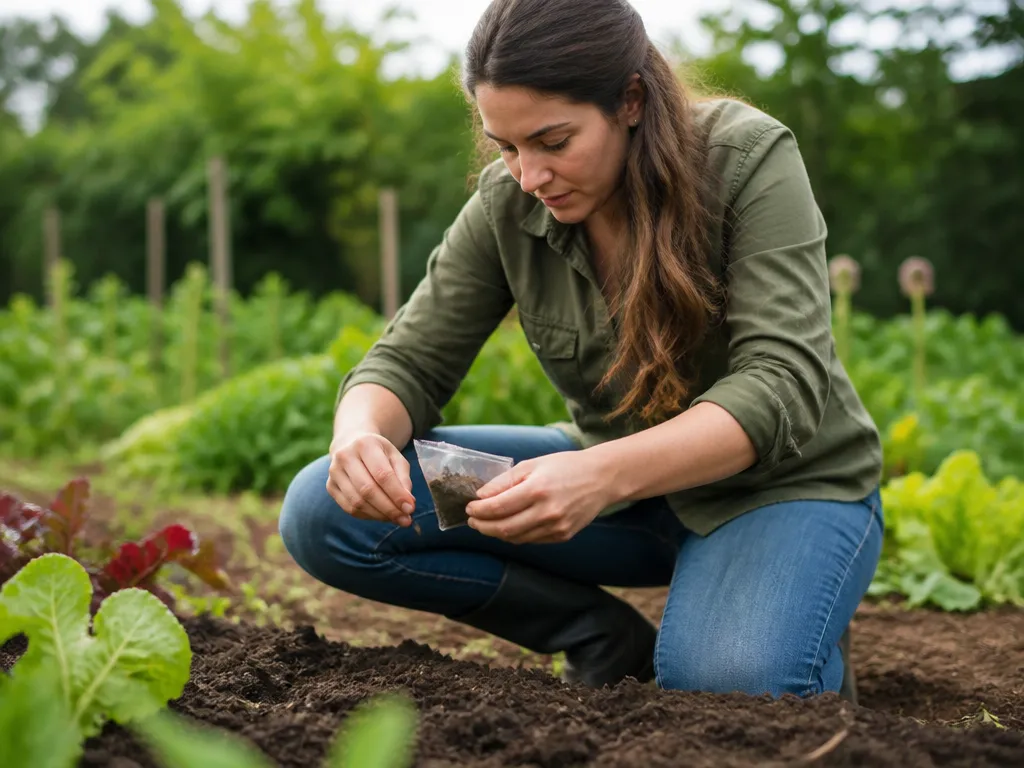
Unchecked fertilizer application often leads to nutrient lockout, where excessive phosphorus or potassium prevents plants from absorbing other vital minerals. Routine soil analysis identifies exactly what your plot lacks, saving you money on unneeded additives and protecting the local groundwater from nitrogen runoff.
Gardeners should aim for a professional lab test every two to three years, ideally in early spring or late autumn when the soil is workable. Most state university extension offices provide affordable kits that offer precise data on pH levels and micronutrient availability.
Always measure your soil chemistry before you reach for the bag.
Interpreting Your Results
Lab reports typically provide a breakdown of your soil pH and primary nutrient levels. Vegetables generally prefer a slightly acidic to neutral range of pH 6.0 to 6.8 for optimal nutrient uptake.
| Test Metric | Ideal Range for Veggies | Action if Low |
|---|---|---|
| Soil pH | 6.0 – 6.8 | Add lime or sulfur |
| Phosphorus (P) | High levels | Add compost or bone meal |
| Potassium (K) | High levels | Add wood ash or greensand |
For home gardeners in Zones 3-9, interpreting these results allows you to target specific deficiencies. If your soil is rich in organic matter, you likely need far less supplemental fertilizer than the package instructions suggest. Relying on a test result ensures your garden receives only what it actually requires for a healthy harvest.
Top Organic Fertilizers For Heavy Feeders
Tomatoes, peppers, and squash demand high levels of nitrogen, phosphorus, and potassium to sustain rapid growth and heavy fruit production. Consistent nutrient availability is the key to preventing blossom end rot and stunted yields in these crops.
Granular Vs. Liquid Formulations
Granular fertilizers release nutrients slowly as soil microbes break them down, providing a steady supply over three to four months. Liquid options provide immediate, plant-available nutrition that is ideal for correcting deficiencies or giving crops a mid-season boost.
Choose the formulation that best matches your plant’s current growth stage.
Nutrient Requirements For Fruiting Vegetables
Fruiting crops prefer a slightly acidic soil, pH 6.0-6.8, to maximize nutrient absorption. Heavy feeders require 1 inch of water per week, especially when temperatures exceed 85 degrees Fahrenheit. Improper watering often causes fertilizer burn or nutrient lockout, regardless of the quality of the product used.
| Crop | Primary Need | Application Timing |
|---|---|---|
| Tomatoes | Phosphorus/Potassium | At planting and first fruit set |
| Peppers | Balanced N-P-K | Monthly until harvest |
| Squash | Nitrogen/Phosphorus | At planting and flowering |
For instance, squash varieties like zucchini often suffer from yellowing leaves when nitrogen levels drop during peak production. Applying a liquid fish emulsion at the base of the plant during the first blossom stage provides the quick energy required for continued fruit development. Always avoid splashing liquid fertilizers directly on the foliage to prevent fungal issues or leaf scorch.
Application Methods For Maximum Nutrient Uptake
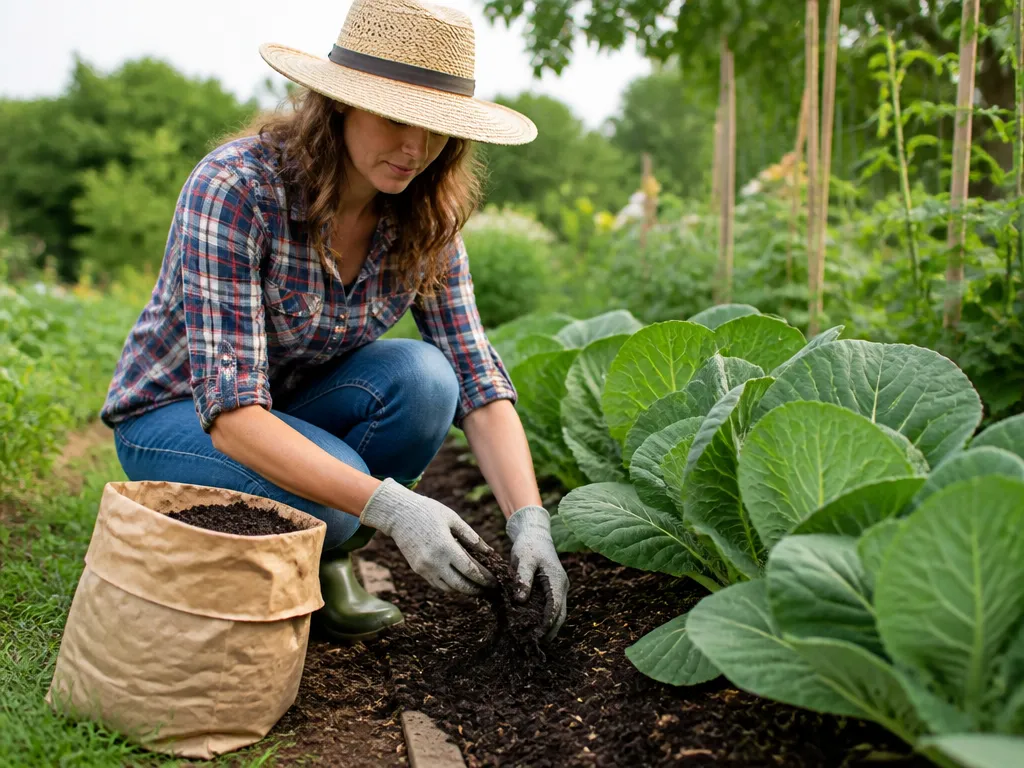
Granular fertilizers provide slow-release nutrition when worked into the top 2 inches of soil, while liquid formulations offer immediate availability for plants showing signs of deficiency. Proper placement prevents root burn by keeping raw nutrients away from direct contact with stems or sensitive root crowns.
Side-dressing And Soil Drenching
Side-dressing involves placing fertilizer in a narrow band along the plant rows, roughly 4 to 6 inches away from the base of the stem. This technique keeps active nitrogen from touching the plant tissue, which otherwise causes localized dehydration or chemical burn.
In practice, liquid fertilizers function best as soil drenches or foliar sprays. When using liquid seaweed or fish emulsion, dilute the product according to the manufacturer labels to avoid excess salt buildup in the soil. Foliar feeding provides a rapid boost for leafy greens, but you must apply it during the early morning hours to allow the stomata to absorb the nutrients before the heat of the day causes evaporation.
Proper application techniques ensure nutrients reach the roots without causing damage.
Safety Precautions For Organic Applications
Organic fertilizers require moisture and soil microbial activity to break down into plant-available forms. Dry soil prevents these nutrients from moving, which leads to a concentration of salts that damages fine root hairs. Always check the soil moisture levels before application. If the ground is bone dry, irrigate the bed the day before you fertilize to ensure the soil life is active and ready to process the organic matter.
Seasonal Fertilizing Calendar For Vegetable Beds
Soil fertility management relies on matching nutrient availability with the specific growth stages of your crops throughout the year. Gardeners in Zones 3-9 should prioritize building long-term soil health during the dormant months to ensure minerals are accessible when plants enter their peak production phases.
Spring Soil Preparation
Spring application focuses on establishing a foundation for heavy feeders like tomatoes and peppers before planting begins. Spread 2-3 inches of finished compost over your beds two weeks before you intend to sow seeds or transplant starts. Incorporate a balanced, granular organic fertilizer, such as a 4-4-4 blend, into the top 6 inches of soil to provide a steady supply of nitrogen, phosphorus, and potassium.
Prepare your soil early to ensure nutrients are ready for the growing season.
Mid-season Maintenance
Mid-season care requires liquid organic fertilizers to provide rapid nutrient uptake during the rapid vegetative growth and fruit-set stages. Apply a fish emulsion or seaweed extract every 14 days once the plants begin to flower. This schedule ensures that your soil pH stays balanced between 6.0 and 6.8, which is optimal for nutrient absorption.
| Season | Primary Task | Recommended Product |
|---|---|---|
| Early Spring | Soil Amendment | Compost and Granular 4-4-4 |
| Mid-Summer | Maintenance Feed | Fish/Seaweed Liquid Blend |
| Late Fall | Cover Cropping | Winter Rye or Hairy Vetch |
Fall Fertility And Protection
Fall maintenance shifts toward protecting your soil from erosion and replenishing organic matter for the next year. Plant cover crops like winter rye or hairy vetch immediately after the final harvest to fix nitrogen and prevent leaching. These crops act as living mulch, keeping the soil biology active until you turn them into the ground as green manure in early spring.
Avoid leaving bare soil exposed to winter rains or snow, as this leads to significant nutrient loss. If you prefer not to plant cover crops, apply a thick layer of shredded leaves or straw. This insulation keeps the soil structure intact and encourages beneficial microbial life to persist until the following season.
Companion Planting And Soil Fertility Design
Legumes naturally replenish soil nitrogen levels by hosting symbiotic bacteria within their root nodules, which convert atmospheric nitrogen into a plant-available form. Incorporating these plants into your rotation schedule reduces the need for external fertilizers during the following growing cycle.
Designing For Nutrient Efficiency
Strategic crop rotation prevents the depletion of specific soil minerals by alternating heavy feeders with light feeders. You should group your vegetables based on their nutrient requirements to simplify your amendment schedule.
Companion planting can naturally improve soil health and reduce pest pressure.
| Companion Pair | Benefit | Notes |
|---|---|---|
| Tomatoes & Basil | Pest deterrent | Basil improves tomato flavor and repels hornworms. |
| Carrots & Onions | Pest deterrent | Onion scent masks the carrot rust fly. |
| Beans & Corn | Nitrogen exchange | Beans fix nitrogen for the corn to access. |
Soil pH management remains critical for nutrient uptake, regardless of your planting design. Aim for a pH between 6.0 and 6.8 for most vegetable gardens to ensure that the nitrogen fixed by your legumes is actually accessible to your other crops.
Avoid planting enemies in close proximity to prevent competition for resources or increased pest pressure. Keep onions away from peas, as the onions can stunt the growth of the legumes. Always rotate these families annually to disrupt the life cycles of soil-borne pathogens that target specific vegetable types.
Quick Summary
The best approach for vegetable gardens is combining aged compost with a balanced OMRI-listed granular mix. A 5-5-5 NPK ratio supports general growth, while checking that soil pH stays between 6.0 and 6.8 ensures nutrients are available. Using high quality compost is essential because it builds a living environment that requires less supplemental water than beds treated with synthetic salts. These organic amendments feed the soil biology rather than just the plant, creating a protective barrier against diseases.
Tailor your nutrients to the crop type by using blood meal for nitrogen-heavy leafy greens or bone meal for phosphorus-rich root vegetables. Apply granular mixes every 4 to 6 weeks and always water the soil immediately to prevent root burn. Shift to phosphorus-rich options as soon as flower buds appear to divert energy toward fruit production.
| Crop Category | Primary Need | Ideal N-P-K |
|---|---|---|
| Leafy Greens | Nitrogen (N) | 5-1-1 |
| Root Vegetables | Phosphorus (P) | 2-8-4 |
| Fruiting Crops | Balanced / P & K | 4-4-4 or 4-6-3 |
Frequently Asked Questions
When Is The Best Time To Apply Organic Fertilizer To A Vegetable Garden?
You should apply granular organic fertilizer during soil preparation in early spring, about 2 weeks before planting, to allow microbes time to break down the nutrients. For heavy feeders like tomatoes, side-dress with compost or liquid fish emulsion every 4 to 6 weeks throughout the growing season.
How Often Should I Water A Garden That Has Been Recently Fertilized?
Always water immediately after applying any dry or liquid organic fertilizer to help move nutrients into the root zone and prevent root burn. Aim for at least 1 inch of water per week, delivered deeply to the base of the plants rather than sprinkling the leaves.
Why Are The Leaves On My Vegetable Plants Turning Yellow?
Yellowing leaves often signal a nitrogen deficiency, which you can correct by adding a high-nitrogen organic amendment like blood meal or well-aged poultry manure. If the yellowing appears between the veins, your soil might be too alkaline, preventing the plant from absorbing existing nutrients.
What Is The Best Way To Handle Garden Pests Without Using Synthetic Chemicals?
Start by physically removing large pests like hornworms by hand and using floating row covers early in the season to block insects from laying eggs. For persistent infestations, neem oil or insecticidal soap are effective organic options when applied during the cooler parts of the day.
Can I Use The Same Organic Fertilizer In Containers As I Do In Raised Beds?
Yes, but you must be careful because containers lose nutrients faster through drainage, so you should use a balanced, slow-release organic fertilizer specifically formulated for pots. Remember that container soil lacks the natural mineral replenishment of the ground, so you may need to fertilize twice as often as you would in a traditional garden bed.