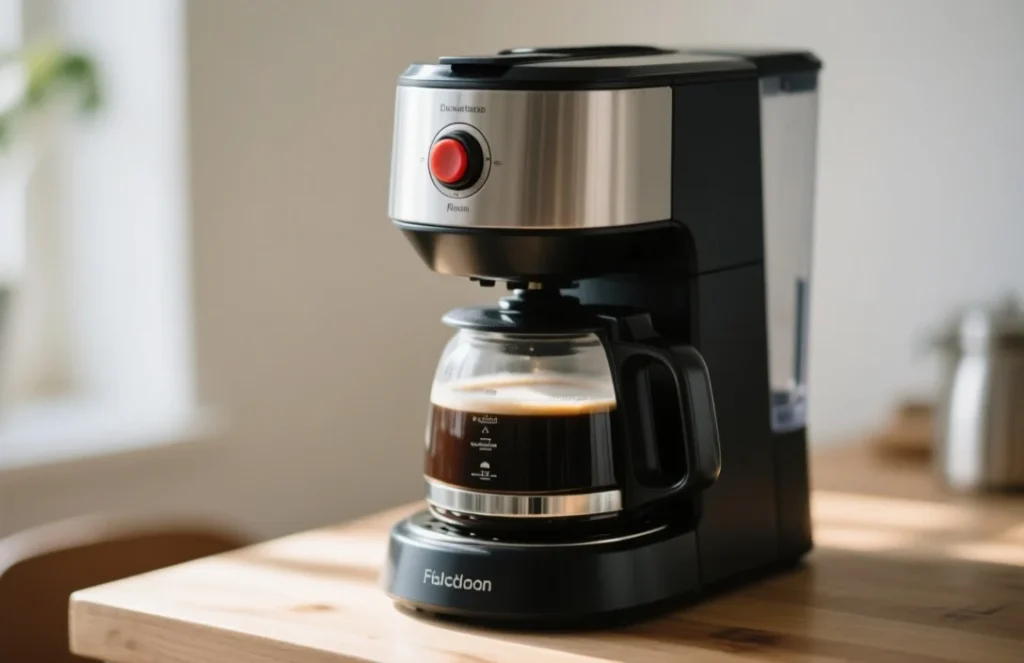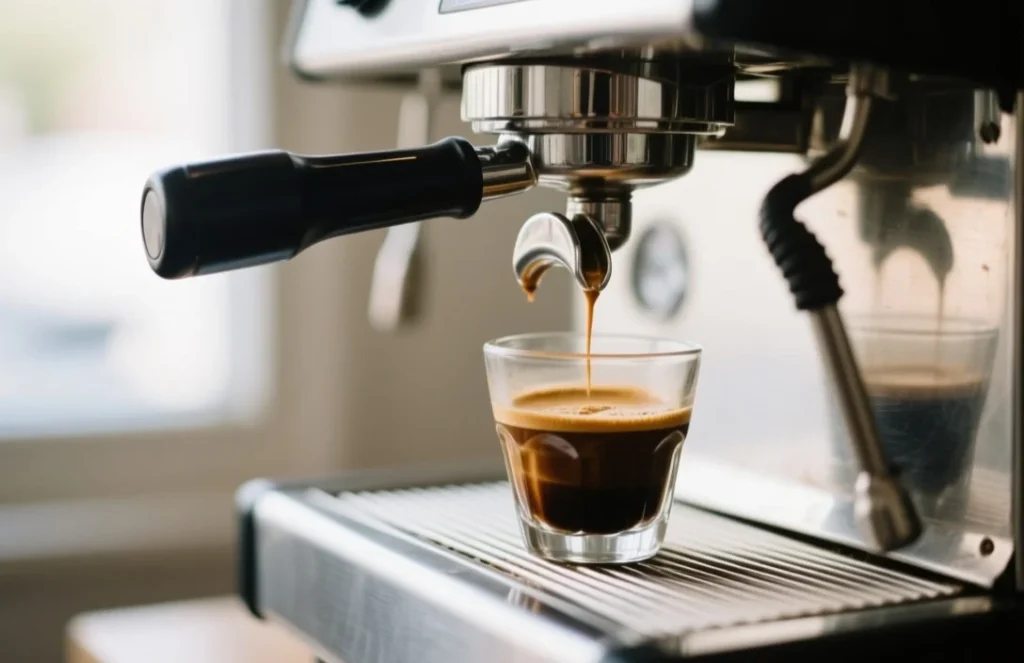
Espresso and regular coffee both start from roasted beans, yet a single shot of espresso packs roughly 60 mg of caffeine into 1 oz while an 8‑oz cup of drip coffee offers about 95 mg. The distinction comes down to pressure, grind, and ratio.
Espresso differs from regular coffee through high pressure, fine grind, dark roast, and a 1:2 water‑to‑coffee ratio, delivering a concentrated 1‑2 oz shot with 60‑70 mg caffeine per ounce. Regular coffee uses gravity or immersion, a medium‑coarse grind, and a 1:15‑1:20 ratio, yielding 6‑12 oz cups with 10‑15 mg caffeine per ounce.
Key Takeaways
- Pressure matters. Espresso uses ~9 bars of pressure; drip coffee relies on gravity.
- Grind size differs. Espresso requires a fine, powder‑like grind; regular coffee uses a medium‑coarse grind.
- Coffee‑to‑water ratio. Espresso follows a 1:2 ratio, while drip coffee ranges from 1:15 to 1:20.
- Caffeine density. Espresso delivers 60‑70 mg per ounce; drip coffee provides 10‑15 mg per ounce.
- Flavor intensity. Espresso yields bold, crema‑laden shots; drip coffee offers nuanced, larger‑volume flavors.
What Makes Espresso Different From Coffee?
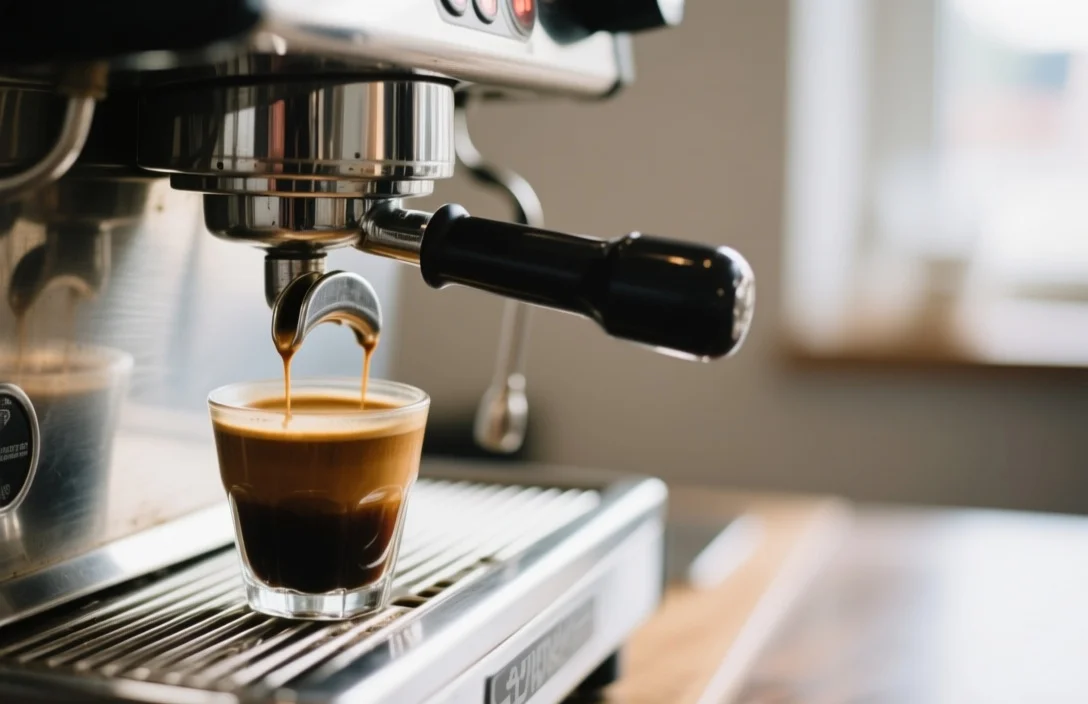
Espresso is a high‑pressure extraction that forces hot water through finely ground beans in about 25‑30 seconds, yielding a 1‑2 oz shot with a thick crema. Regular coffee uses gravity or immersion, taking 4‑8 minutes to produce 6‑12 oz of a less concentrated brew.
The core distinction lies in water pressure and extraction time. Espresso machines generate roughly 9 bars (130 psi) of pressure, compressing water into the coffee puck and extracting oils and dissolved solids quickly. Drip or pour‑over methods apply only atmospheric pressure, allowing water to seep slowly and extract flavors more gently.
Because the extraction is brief and forceful, espresso captures a higher proportion of soluble compounds, which creates its characteristic body and mouthfeel. In contrast, the slower brew of regular coffee highlights subtle acidity and a broader spectrum of aromatic notes.

Helpful pick
Farielyn-X 6 oz Espresso Cups With Wood Handle, Espresso Accessories, Ribbed Milk Frothing Pitcher, Glass Measuring Cup, Shot Glass with V-Shaped Mouth, Coffee Bar Epresso Shots Cup
These elegant espresso cups with wood handles are perfect for serving concentrated shots with a beautiful presentation.
Espresso Beans vs Regular Coffee Beans
Espresso beans are typically dark‑roasted for 12‑15 minutes, developing a robust, chocolate‑yoked profile that withstands high pressure without scorching. Regular coffee beans span light, medium, and dark roasts, offering a wider flavor range from fruity to nutty.
Both espresso and regular coffee can start from the same Arabica or Robusta beans, but the roast level and grind dictate the final drink. Dark roasting reduces acidity and enhances solubility, which is essential for the rapid espresso extraction. Light‑roasted beans, favored for pour‑over, retain higher acidity and complex aromatics that would be muted in a short espresso shot.
The grind size also diverges: espresso demands a very fine grind akin to powdered sugar, while regular coffee uses a medium grind for drip or a coarse grind for French press. This difference ensures proper water flow and extraction efficiency for each method.
Brewing Methods for Espresso and Drip Coffee
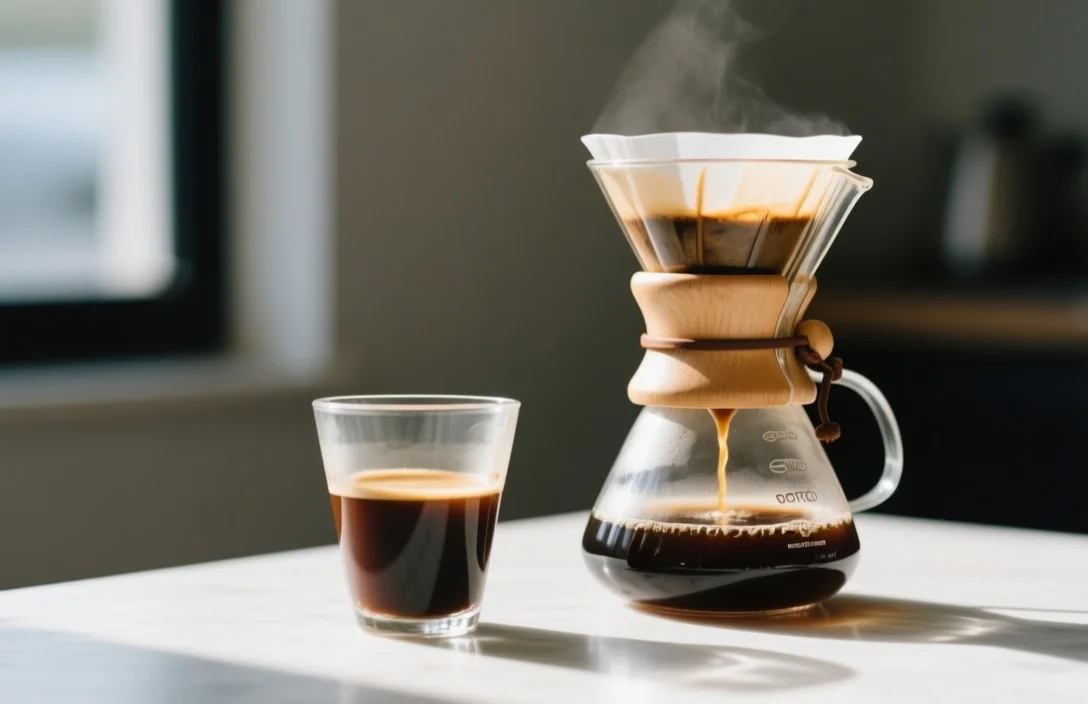
Espresso brewing relies on high‑pressure (≈9 bars) extraction lasting 25‑35 seconds, producing 1‑2 oz of concentrated liquid. Drip coffee employs gravity‑only flow, with brew times of 4‑8 minutes and outputs of 6‑12 oz per cup.
A typical espresso shot uses 190‑205 °F water, a 1:2 coffee‑to‑water ratio, and a tamped coffee puck to ensure uniform resistance. Drip coffee uses a 1:15‑1:20 ratio, a filter or paper to separate grounds, and a steady pour to maintain even saturation.
The equipment contrast is stark. Espresso machines feature a pump, a portafilter, and a boiler to maintain temperature stability. Drip makers consist of a heating element, a water reservoir, and a drip tray, with no pressure generation. These mechanical differences drive the distinct taste, texture, and caffeine delivery of each beverage.
Espresso vs Coffee Caffeine Content
Espresso delivers ≈60-70 mg of caffeine per ounce, while drip coffee contains ≈10-15 mg per ounce; a standard 1‑oz espresso shot thus packs as much caffeine as a 4‑oz cup of drip coffee. A typical 8‑oz coffee serving provides 95‑150 mg, comparable to two espresso shots.
Caffeine concentration depends on extraction efficiency and water ratio. The high‑pressure espresso process extracts caffeine rapidly, concentrating it in a small volume. Drip coffee’s larger water volume dilutes caffeine, despite extracting a similar total amount from the beans.
Below is a side‑by‑side comparison of caffeine metrics:
| Metric | Espresso | Drip Coffee |
|---|---|---|
| Caffeine per ounce | 60-70 mg | 10-15 mg |
| Typical serving size | 1-2 oz (30-60 ml) | 8-12 oz (240-350 ml) |
| Total caffeine per serving | 60-70 mg (single shot) | 95-150 mg (8‑oz cup) |
Understanding these numbers helps you choose the right drink for a morning boost or a low‑caffeine afternoon.

Helpful pick
Nespresso Capsules Vertuo, Double Espresso Variety Pack, 30-Count Coffee Pods (Pack of 1), Brews 2.7oz
Enjoy quick and consistent caffeine hits with these convenient double espresso capsules designed for easy brewing.
Flavor Profiles of Espresso and Brewed Coffee
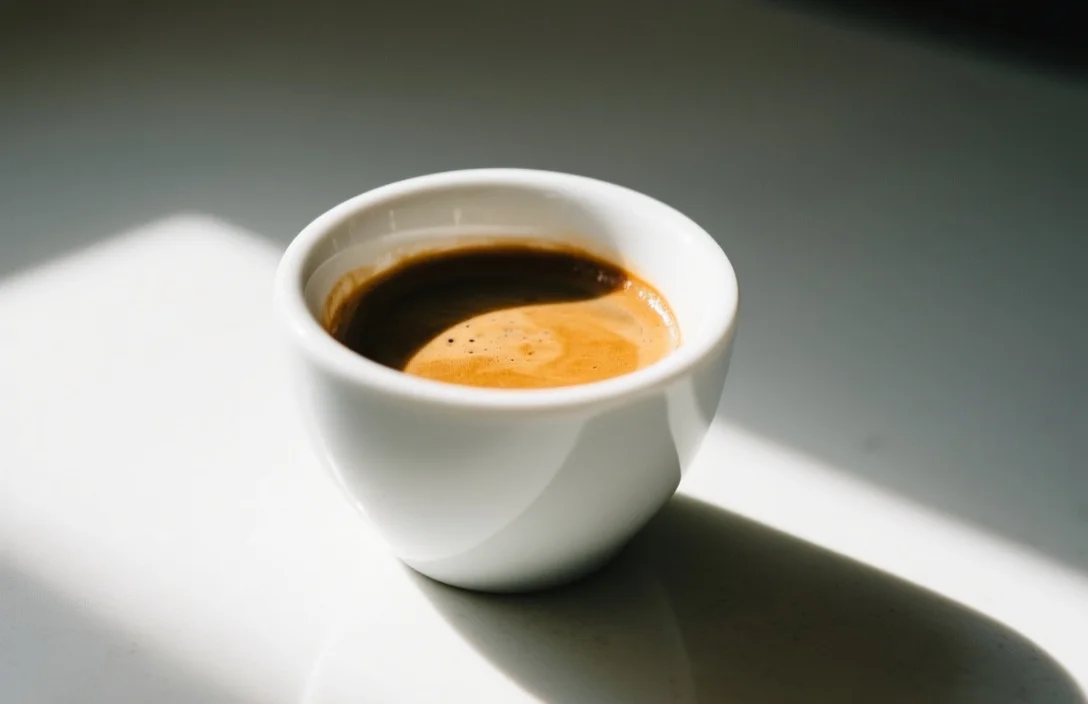
Espresso offers a bold, rich, and creamy palate with pronounced chocolate, caramel, and nutty notes, capped by a silky crema that carries aromatic oils. Regular coffee delivers milder, nuanced flavors, ranging from bright citrus in light roasts to deep earthiness in darker brews.
The intense pressure extracts soluble oils and micro‑bubbles, creating the crema that locks in aroma and imparts a velvety mouthfeel. Drip coffee’s slower extraction preserves volatile acids and complex aromatics, resulting in a cleaner cup with distinct acidity and clarity.
Taste perception also shifts with serving size. The concentrated espresso concentrates flavors, making it ideal as a base for milk‑based drinks. In contrast, the larger volume of drip coffee allows for gradual flavor evolution on the palate, suitable for sipping and savoring.
Equipment Needed for Home Espresso Brewing
A reliable home espresso setup requires four core pieces: an espresso machine, a burr grinder, a tamper, and a digital scale. Each component ensures the precise pressure, grind, and dose needed for consistent shots.
- Espresso machine – Generates ~9 bars of pressure; choose between manual, semi‑automatic, or fully automatic models based on budget and skill level.
- Burr grinder – Produces the fine, uniform grind essential for even extraction; blade grinders cannot achieve the required consistency.
- Tamper – Packs the coffee evenly in the portafilter, creating the necessary resistance for water flow.
- Digital scale – Measures coffee dose to within 0.5 g, crucial for replicable ratios.
Additional accessories like a milk frother for latte art and a cleaning kit for descaling extend the machine’s lifespan. Investing in these tools transforms a kitchen counter into a café‑quality brewing station.

Helpful pick
Milk Frothing Pitcher, 8.5oz/12oz/20oz/32oz/50oz/66oz Milk Frother Cup Stainless Steel, Espresso Accessories, Milk Steaming Pitchers Coffee Cappuccino Latte Art Barista Milk Jug Cup with Art Pen,12oz
A professional stainless steel milk frothing pitcher is essential for creating silky microfoam for your home lattes.
Using Espresso as a Base for Milk Drinks
Espresso serves as the foundation for popular milk‑based drinks such as lattes, cappuccinos, and macchiatos, each differing by milk‑to‑espresso ratio and foam texture. A classic latte blends a single shot with ≈6 oz of steamed milk, while a cappuccino balances ≈2 oz of milk foam with the same espresso volume.
The crema from espresso binds with milk proteins, creating a stable froth that enhances mouthfeel. Properly steamed milk should reach 140‑150 °F for optimal sweetness and texture; overheating destroys sugars and yields a flat drink.
Baristas often adjust espresso strength – using a ristretto (shorter shot) for a sweeter base or a double shot for a bolder flavor – tailoring the milk drink to individual taste preferences.
Brewing Regular Coffee Using Espresso Beans
Espresso beans, though roasted dark, can brew a full‑flavored drip coffee when ground to a medium consistency and paired with a higher water ratio. The key is to adjust the grind to a medium size and use a 1:15 coffee‑to‑water ratio, similar to standard drip brewing.
Because espresso beans have undergone longer roasting, the resulting coffee may exhibit reduced acidity and enhanced body, delivering a richer cup than a light‑roasted bean. However, expect a smoother, less bright flavor profile, suitable for those who prefer a chocolatey undertone.
Using a standard drip machine or a pour‑over setup with the adjusted grind yields a balanced brew, proving that bean type alone does not dictate the final drink – grind and ratio are equally decisive.
Making Espresso from Regular Coffee Grounds
Transforming regular coffee grounds into espresso‑style shots is feasible with a pressurized device such as a Moka pot or a portable espresso maker. These tools generate 1‑2 bars of pressure, enough to extract a concentrated shot, though not the full 9 bars of a professional machine.
Start with a fine grind – finer than drip but coarser than true espresso – to avoid over‑extraction. Pack the grounds firmly, use ≈200 °F water, and brew for ≈30 seconds. The resulting brew will have a richer body than drip coffee, though the crema may be thinner.
While the flavor will not match a true espresso, this method offers a quick, low‑cost alternative for travelers or minimal‑space kitchens, delivering a satisfying coffee punch without a full espresso setup.
Blonde Espresso vs Traditional Dark Roast Espresso
Blonde espresso employs a lighter roast (often 15‑20 minutes) that preserves more of the bean’s natural acidity and subtle fruit notes, resulting in a smoother, less bitter profile. Traditional dark‑roast espresso is roasted longer (20‑25 minutes), emphasizing chocolate, caramel, and smoky flavors with a thicker crema.
Caffeine content remains comparable because roast level does not significantly alter caffeine levels; the difference lies in flavor perception. Blonde espresso pairs well with milk drinks that benefit from a bright, airy taste, while dark roast excels in intense, straight‑up shots.
Choosing between the two depends on personal palate: opt for blonde espresso if you favor a milder, more nuanced cup, or select dark roast for a bold, classic espresso experience.
The Bottom Line
Espresso differs from regular coffee through high pressure, fine grind, dark roast, and a 1:2 water‑to‑coffee ratio, delivering a concentrated 1‑2 oz shot with 60‑70 mg caffeine per ounce. Regular coffee uses gravity or immersion, a medium‑coarse grind, and a 1:15‑1:20 ratio, yielding 6‑12 oz cups with 10‑15 mg caffeine per ounce.
Bean selection matters: espresso beans are dark‑roasted for robustness, while regular coffee beans span light to dark, offering broader flavor diversity. Brewing methods dictate extraction time – 25‑30 seconds for espresso versus 4‑8 minutes for drip coffee – affecting body, crema, and flavor intensity.
Caffeine density favors espresso for a quick boost, whereas the larger volume of drip coffee spreads caffeine more evenly. Flavor profiles reflect these processes: espresso is bold and creamy; drip coffee is nuanced and aromatic. Equipment requirements differ, with espresso demanding a machine, burr grinder, tamper, and scale, while drip coffee needs only a filter or pour‑over setup.
Milk‑based drinks rely on espresso’s crema for texture, and both bean types can be swapped with grind and ratio adjustments. Blonde espresso offers a lighter roast alternative to dark‑roast espresso, catering to varied taste preferences.
FAQ
Which brew has more caffeine per ounce, espresso or drip coffee?
Espresso contains about 60‑70 mg of caffeine per ounce, far exceeding the 10‑15 mg found in a typical drip coffee ounce.
Can I use espresso beans to make a regular drip coffee?
Yes – grind the beans to a medium size, use a 1:15 coffee‑to‑water ratio, and brew with a drip or pour‑over method for a rich, low‑acid cup.
Do I need a special grinder for espresso?
A burr grinder is essential because it produces the fine, uniform grind required for consistent espresso extraction; blade grinders cannot achieve this precision.
How much pressure does an espresso machine generate?
Standard home espresso machines operate at ≈9 bars (130 psi) of pressure, forcing water through the coffee puck in about 30 seconds.
Is blonde espresso just a lighter roast of the same beans?
Blonde espresso uses a lighter roast that retains more acidity and fruit notes, delivering a smoother, less bitter flavor compared to the dark‑roast espresso’s chocolate‑rich profile.