Starting a home garden is one of the most rewarding experiences you’ll have, bringing fresh flavors and vibrant colors right to your doorstep. There’s nothing quite like the satisfaction of picking your own tomatoes or herbs, knowing exactly how they were grown. Let’s get your hands dirty!
To kick off, consider this quick growing snapshot: Sun: Full sun (6-8 hours), Water: Regularly, 1 inch per week, Soil pH: 6.0-7.0, USDA Zones: 3-10, Difficulty: Easy, Time to Harvest: 60-90 days.
| Sun Needs | Water | Soil pH | USDA Zones | Difficulty | Time to Harvest |
|---|---|---|---|---|---|
| Full Sun | 1 inch/week | 6.0-7.0 | 3-10 | Easy | 60-90 days |
Why Start a Home Garden
Starting a home garden offers numerous benefits that extend beyond simply growing plants. From enhancing mental well-being to improving food security and reducing environmental impact, gardening is a rewarding endeavor that can fit into any lifestyle.
Health Benefits
- Physical activity: Gardening involves various physical tasks such as digging, planting, and weeding, promoting cardiovascular health and improving strength.
- Mental health: Spending time outdoors and nurturing plants can reduce stress and anxiety, enhancing mood and overall well-being.
Cost Savings
- Reduced grocery bills: Growing your own fruits and vegetables can significantly cut down on food costs, especially for high-ticket items like organic produce.
- Preserving food: Home gardeners can save even more by canning or freezing excess harvests, ensuring year-round access to fresh ingredients.
Environmental Impact
- Pollinator support: Planting a variety of flowers and herbs can attract bees and butterflies, supporting local ecosystems and biodiversity.
- Reducing carbon footprint: Homegrown food reduces the need for transportation and packaging associated with store-bought produce, lessening environmental strain.
Choosing the Right Location
Selecting the ideal location for your garden is crucial for the health and productivity of your plants. This section will guide you through assessing sunlight, soil drainage, and accessibility to ensure your garden thrives.
- Evaluate Sunlight Exposure: Most vegetables and flowers require full sun, which means they need 6-8 hours of direct sunlight daily. Observe your potential garden area throughout the day to identify which spots receive adequate light, especially in the early morning and late afternoon.
- Check Soil Drainage: Good drainage is vital to prevent root rot. To test your soil, dig a hole about 12 inches deep and fill it with water. If it drains within 1 hour, your soil has good drainage; if not, consider raised beds or amending the soil with organic matter to improve drainage.
- Assess Accessibility: Choose a location that is easily accessible for regular maintenance tasks like watering, weeding, and harvesting. Ensure your garden is close to a water source and pathways are clear to avoid tripping hazards.
“In my experience, a garden that is easy to access encourages more frequent care and yields better results.”
By considering these factors, you can create a productive garden space tailored to the needs of your plants and your gardening habits.
Easy Plants for Beginners
Starting your home garden with the right plants can make all the difference in your gardening experience. This section highlights some of the best vegetables, herbs, and low-maintenance flowers that are perfect for beginners, ensuring a successful start to your gardening journey.
Best Vegetables
- Radishes – Quick to germinate and grow, ready to harvest in about 4 weeks. Plant seeds ½ inch deep, 1 inch apart, in rows 12 inches apart. Hardy in Zones 2-10.
- Leaf Lettuce – Grows well in cooler weather. Plant seeds ¼ inch deep, 12 inches apart. Prefers full sun and is ready to harvest in 30-45 days. Hardy in Zones 4-9.
- Carrots – Requires loose, sandy soil. Plant seeds ¼ inch deep and thin to 3 inches apart. Harvest in about 70 days. Hardy in Zones 3-10.
Best Herbs
- Basil – Thrives in warm temperatures. Start seeds indoors 6-8 weeks before the last frost. Plant ¼ inch deep, 12 inches apart. Harvest leaves regularly for best growth. Hardy in Zones 10-11.
- Parsley – A biennial herb that can be grown as an annual. Plant seeds ½ inch deep, 6 inches apart. Prefers slightly acidic soil, pH 6.0-7.0. Hardy in Zones 3-9.
- Chives – Easy to grow and perennial. Plant seeds ¼ inch deep, 12 inches apart. Harvest leaves regularly. Hardy in Zones 3-9.
Low-Maintenance Flowers
- Marigolds – Bright and pest-repellent. Plant seeds ½ inch deep, 10 inches apart. Hardy in Zones 2-11.
- Zinnias – Vibrant colors and drought-resistant. Plant seeds ¼ inch deep, 12 inches apart. Hardy in Zones 3-10.
- Black-eyed Susans – Attract pollinators. Plant seeds ½ inch deep, 12 inches apart. Hardy in Zones 3-9.
“In my experience, planting marigolds among vegetables repels pests and attracts beneficial insects.”
| Month | Task | Notes |
|---|---|---|
| March | Start seeds indoors | Basil, lettuce |
| April | Plant radishes outside | After last frost |
| May | Transplant herbs outdoors | Ensure soil is warm |
| June | Sow carrot seeds | In well-tilled soil |
Essential Tools and Materials
Starting a home garden requires some essential tools and materials that will help you establish and maintain your garden effectively. Having the right equipment not only makes the gardening process easier but also ensures the health and productivity of your plants.
| Item | Amount/Specification | Notes |
|---|---|---|
| Hand Trowel | 1 | For digging small holes and transplanting seedlings |
| Garden Fork | 1 | For loosening soil and mixing in amendments |
| Pruning Shears | 1 pair | For trimming and harvesting plants |
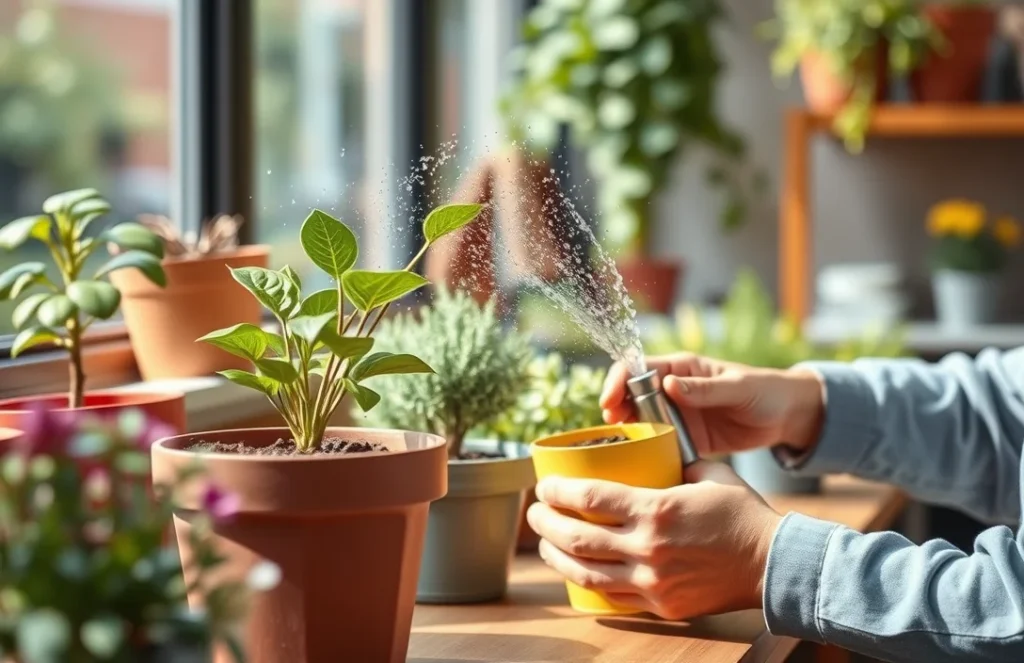
| Watering Can or Hose | 1 | Preferably with a spray nozzle for gentle watering |
| Garden Gloves | 1 pair | To protect hands while working in the soil |
| Soil Test Kit | 1 | To determine pH and nutrient levels |
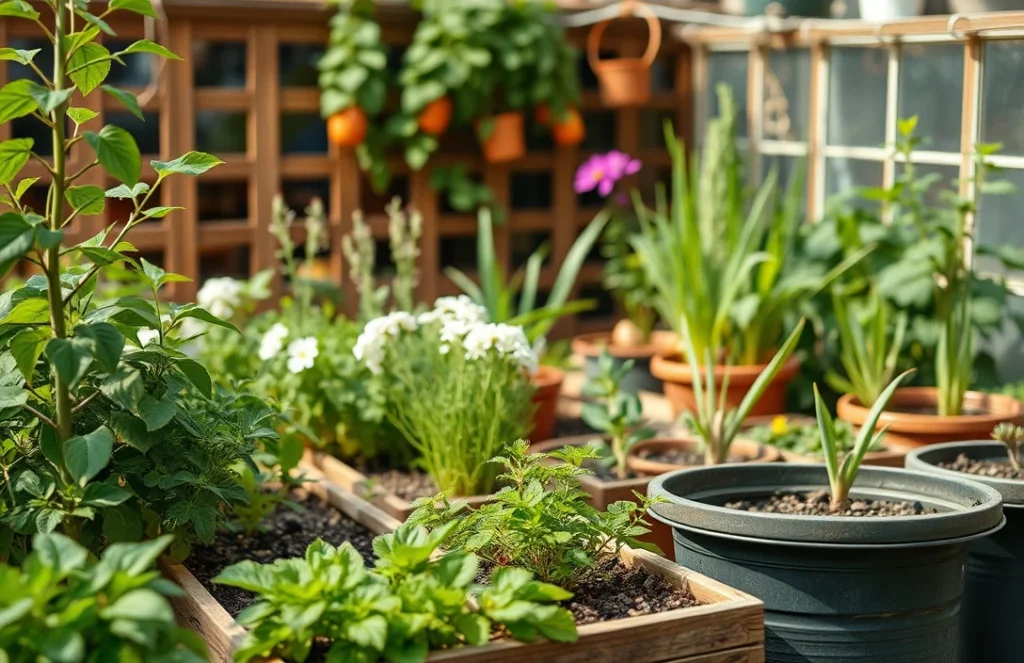
| Raised Bed or Containers | As needed | For better drainage and soil control |
Soil and Amendments
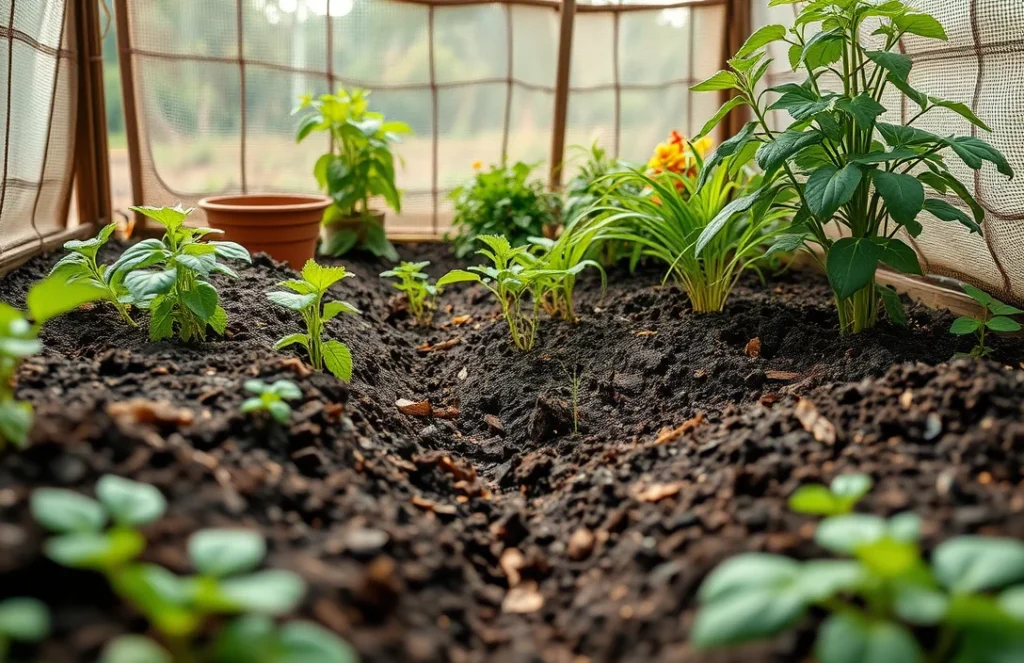
Quality soil is crucial for a successful garden. Start with a well-draining potting mix or amend your garden soil with organic matter such as compost. Aim for a soil pH of 6.0-6.8 for optimal plant growth, and consider incorporating materials like peat moss or well-rotted manure to enrich the soil.
Plant Supports
Some plants, especially tomatoes and peas, benefit from additional support. Use stakes, cages, or trellises to keep your plants upright and promote healthy growth. Ensure supports are sturdy enough to withstand the weight of the plants as they mature.
- Check soil moisture regularly; aim for 1 inch of water per week.
- Consider companion planting to enhance growth—basil with tomatoes and marigolds to deter pests.
- Invest in organic pest control methods like neem oil or insecticidal soap before turning to chemicals.
Step-by-Step Planting Guide
This section provides detailed instructions for planting seeds and transplants, essential for establishing a thriving home garden. Understanding the timing and spacing of your plants is crucial for their growth and productivity.
- Seed Starting: Start seeds indoors 6-8 weeks before the last frost date for your area. Use seed trays filled with seed-starting mix, and plant seeds ½ inch deep. Keep the soil consistently moist but not waterlogged, providing adequate warmth (70-75°F) for germination.
- Transplanting: Once seedlings develop at least two sets of true leaves, harden them off by gradually exposing them to outdoor conditions over a week. Transplant after all danger of frost has passed, ideally when nighttime temperatures are consistently above 50°F.
- Spacing Guidelines: For most vegetables, plant seeds or transplants 12 inches apart in rows that are 24 inches apart. This spacing allows for adequate airflow and sunlight exposure. Check specific requirements for each type of plant, as some may require closer or wider spacing.
Seasonal Planting Calendar
| Month | Task | Notes |
|---|---|---|
| March | Start seeds indoors | Tomatoes, peppers, and eggplants |
| April | Transplant seedlings outdoors | After last frost date |
| May | Sow direct seeds | Beans, corn, and squash |
“In my experience, timing and proper spacing can significantly increase your garden’s yield.”
Watering and Feeding Basics
Understanding how to properly water and fertilize your plants is essential for their health and productivity. This section provides practical guidance on how much and how often to water and fertilize, along with signs to watch for regarding over or under-watering.
- Watering Frequency: Most home gardens need about 1 inch of water per week, either from rainfall or irrigation. Water deeply, allowing the soil to soak down to about 6-12 inches to encourage deep root growth. Adjust your watering schedule based on rainfall and temperature; hotter days may require daily watering, while cooler days may need less.
- Fertilization Schedule: Begin by testing your soil pH; most plants prefer a slightly acidic soil with a pH of 6.0-6.8. Start fertilizing with compost or an organic fertilizer about 2-4 weeks after planting. Follow a schedule of fertilizing every 4-6 weeks during the growing season, tapering off as plants prepare for dormancy in the fall.
- Signs of Over/Under-Watering: Over-watered plants may show yellowing leaves, wilting, or root rot. If the leaves are browning at the tips and soil feels dry to the touch, you may be under-watering. Adjust your watering based on these signs to maintain a healthy moisture balance.
| Month | Task | Notes |
|---|---|---|
| March | Start seedlings indoors | Water every 3-5 days |
| April | Transplant seedlings outside | Water daily for the first week |
| May | Begin regular fertilization | Every 4-6 weeks |
| June | Monitor watering frequency | Adjust based on heat |
| July | Continue fertilization | Check for signs of stress |
| August | Reduce fertilization | Prepare for fall |
Pest Management Strategies
Effective pest management is crucial for beginners starting a home garden. Understanding common pests and adopting organic solutions can help protect your plants while minimizing environmental impact. This section outlines prevalent pests, their symptoms, and how to manage them organically.
Common Pests
| Pest | Symptoms | Solution |
|---|---|---|
| Aphids | Curled leaves, sticky residue | Use insecticidal soap or neem oil |
| Spider Mites | Webbing, speckled leaves | Spray with water or insecticidal soap |
| Slugs | Holes in leaves, slime trails | Use diatomaceous earth or copper tape |
Organic Solutions
- Introduce beneficial insects, such as ladybugs and lacewings, which prey on pests.
- Companion planting: Pair plants like marigolds with tomatoes to deter nematodes.
- Use homemade sprays, such as garlic or pepper spray, to repel unwanted pests.
Preventive Measures
Preventing pest problems is often easier than dealing with them after they occur. Here are some strategies:
- Rotate crops annually to disrupt pest life cycles.
- Maintain healthy soil through composting and mulching, which supports strong plants.
- Inspect plants regularly for early signs of trouble.
“A diverse garden is less prone to pest outbreaks; plant a variety of species to confuse pests.” – Experienced Gardener
Seasonal Planting Calendar
| Month | Task | Notes |
|---|---|---|
| March | Start seeds indoors | 6-8 weeks before last frost |
| May | Transplant seedlings | Plant after all danger of frost has passed |
| July | Inspect for pests | Apply organic solutions as needed |
Common Gardening Mistakes
Starting a home garden can be an exciting endeavor, but beginners often encounter pitfalls that can hinder their success. Understanding common mistakes, such as overwatering, planting too close, and ignoring local climate, can help you avoid frustration and cultivate a thriving garden.
- Overwatering: Many beginners assume that more water equals healthier plants. However, overwatering can lead to root rot and other issues. Aim for 1 inch of water per week, adjusting based on rainfall and plant needs. Always check the top inch of soil; if it’s dry, it’s time to water.
- Planting Too Close: Crowding plants can lead to poor air circulation and increased disease risk. Follow spacing guidelines, such as planting seeds 12 inches apart in rows 24 inches apart. This allows for optimal growth and reduces competition for nutrients and sunlight.
- Ignoring Local Climate: Your garden’s success heavily depends on your local climate and USDA hardiness zone (Hardy in Zones 3-9). Research appropriate planting times and select plants suited to your climate. For example, start seeds indoors 6-8 weeks before the last frost date and choose varieties that thrive in your zone.
“Avoiding these common mistakes will set the foundation for a flourishing garden that brings joy and yield for many seasons.”
Quick Summary
- Growing conditions: Most vegetables need 6-8 hours of sun, well-drained soil, and consistent moisture; USDA zones 3-10 are ideal for various crops.
- Critical care tasks: Water regularly, mulch to retain moisture, and monitor for pests weekly.
- Best planting time: Spring (after frost) for cool-season crops; summer for warm-season varieties, depending on your zone.
- Top companion plants: Basil with tomatoes, carrots with onions, and marigolds to deter pests.
- Common mistake: Overwatering can lead to root rot; ensure soil drains well.
- Expected harvest time: 30-90 days post-planting, varying by crop type.
| Factor | Details |
|---|---|
| Sunlight | 6-8 hours/day |
| Soil | Well-drained, rich in organic matter |
| Water | Consistent moisture |
| Zones | 3-10 |
Frequently Asked Questions
When is the best time to plant this in my zone?
The best time to plant varies by USDA zone; for example, in zone 5, you can start planting cool-season crops in early spring and warm-season crops after the last frost date, typically around mid-May.
How often should I water?
You should water your garden 1-2 inches per week, depending on rainfall, ensuring soil remains consistently moist but not soggy.
Why are the leaves turning yellow/brown/spotted?
Yellow leaves may indicate overwatering or nutrient deficiencies, while brown spots can suggest pests or fungal issues; check the soil and inspect the plants closely.
What is eating my plants and how do I stop it organically?
Common pests like aphids or slugs can be managed by using homemade insecticidal soap or diatomaceous earth, which won’t harm beneficial insects.
Can I grow this in a container/raised bed?
Yes, many vegetables and herbs thrive in containers or raised beds as long as you provide adequate drainage and the right soil mix; choose appropriate sizes for the plants you select.